
Setting Up Mobile Proxies and Choosing Between HTTP and SOCKS5
How to Set Up 4G & 5G Mobile Proxies: HTTP vs. SOCKS5, Rotation, and Testing
Buying high-quality 4G or 5G ports is only the first step. To achieve reliable results, you must know how to setup and use mobile proxies across different coding environments while managing the technical nuances of mobile IP behavior.
This guide provides a practical implementation roadmap for data engineers and automation specialists.
Sign up for LycheeIP today
What information do you need from a mobile proxy provider to start?
Before writing a single line of code, gather your credentials from your dashboard. A standard mobile proxy entry looks like this: us-gate.lycheeip.com:10001:user:pass.
Essential credentials and authentication methods
· Proxy Host & Port: The entry point to your provider's gateway.
· Authentication: Most mobile proxy providers 2026 use User:Pass (standard) or IP Whitelisting (best for fixed cloud servers).
· Rotation Endpoint: A separate URL (API link) used to trigger a fresh IP address.
Region rules for mobile proxies USA
When using mobile proxies USA, ensure your code handles city or carrier targeting strings if your provider supports them (e.g., user-city-nyc:pass). This is critical for Instagram session rules where location drift can trigger blocks.
Which should you choose: HTTP(S) or SOCKS5 for your workflow?
Mobile proxies change the exit IP, but not the protocol. Choosing the right one depends on your target.
· HTTP(S) Proxy: The "standard" for web scraping. It interprets web traffic, which allows for smaller headers and easier integration with libraries like Python requests.
· SOCKS5 Proxy: More versatile. It doesn't interpret data, making it faster for non-web traffic and ideal for mobile app automation or bypassing strict firewalls. SOCKS5 mobile proxy usage is the preferred choice for high-concurrency tasks because it handles UDP traffic more efficiently.
How do you configure mobile proxies in common environments?
Python requests: Basic implementation
The requests library is the industry standard for simple HTTP scraping.
Python
import requests
# For SOCKS5, use 'socks5://' instead of 'http://'
proxies = {
"http": "http://user:pass@host:port",
"https": "http://user:pass@host:port"
}
response = requests.get("https://api.ipify.org?format=json", proxies=proxies)
print(response.json())
Playwright: Browser-level proxy configuration
For modern, dynamic sites, Playwright proxy configuration allows you to route an entire headless browser through your mobile port.
Python
from playwright.sync_api import sync_playwright
with sync_playwright() as p:
browser = p.chromium.launch(proxy={
"server": "http://host:port",
"username": "user",
"password": "pass"
})
page = browser.new_page()
page.goto("https://httpbin.org/ip")
print(page.content())
browser.close()
Sign up for LycheeIP today
How LycheeIP simplifies the developer setup
LycheeIP is built to eliminate the "configuration friction" common in legacy proxy providers.
· Simple API Integration: Access real-time usage and trigger IP rotations via a single API call, removing the need for complex dashboard navigation.
· Protocol Versatility: Every LycheeIP port supports both HTTP and SOCKS5, allowing you to switch protocols without changing your subscription.
· Whitelisting Flexibility: We support up to 5 whitelisted IPs for static residential plans, making it easy to deploy across a small cluster of scraping servers.
· Near Real-Time Stats: Monitor your performance and data usage through our developer dashboard or via our API for automated scaling.
How do you implement rotation safely in code?
Rotation in mobile proxies isn't just about changing the IP—it's about managing the "cooldown" while the modem reboots.
Threshold-Based API Resets and Cooldowns
Instead of rotating every $N$ requests, use a threshold-based trigger:
1. Detect a Block: If you receive a 403 or 429 status code.
2. Trigger API Link: Call your provider's rotation URL.
3. Handle Cooldown: Implement a sleep(15) to allow the 4G/5G modem time to re-establish a connection with the carrier.
How do you test ports before you scale scraping?
Before launching a massive job, run the following benchmarking metrics:
· The 30-Minute Health Check: Run 200 requests across multiple targets. Goal: $>95\%$ success rate and stable latency.
· The 24-Hour Soak Test: Run a low-volume constant load. This identifies "memory leaks" in your provider's gateway or sudden IP pool exhaustion during off-peak hours.
How do you troubleshoot the most common failures?
· 407 Proxy Authentication Required: Double-check your username/password or ensure your server IP is whitelisted in the provider dashboard.
· TLS/SSL Handshake Errors: Often caused by the proxy gateway not supporting the latest encryption standards. Try switching to SOCKS5.
· IP Not Changing: Ensure you are waiting long enough after a rotation trigger. Some 5G networks take 10+ seconds to assign a new IP.
Troubleshooting Table: Common Failure Patterns
| Error | Likely Cause | Fix |
| Timeout | Port contention or tower congestion | Increase timeout in code or rotate the IP. |
| 502 Bad Gateway | Proxy modem is offline | Trigger an API reset; contact support if persistent. |
| Empty Response | SOCKS5 vs. HTTP mismatch | Ensure your protocol string (http:// vs socks5://) matches the provider's capability. |
Sign up for LycheeIP today
Frequently Asked Questions:
1. How do I setup and use mobile proxies in Python?
Use the proxies dictionary in the requests library or the proxy argument in playwright.chromium.launch(). Ensure you include the protocol, user, and password.
2. Is SOCKS5 better for mobile proxies?
Yes, if you need to handle high-concurrency or non-HTTP traffic (like mobile app data). For standard web scraping, HTTP is often sufficient.
3. How do I rotate a mobile proxy IP?
Most providers give you an "API rotation link." You simply make a GET request to that link whenever you need a fresh IP.
4. What is the difference between whitelisting and user:pass auth?
Whitelisting authorizes a specific server IP to use the proxy without a password. User:pass is more flexible for local testing or dynamic cloud environments.
5. Can I use mobile proxies in my browser?
Yes, but you usually need a browser extension (like SwitchyOmega) to handle the username/password authentication, as most browsers don't support it natively in the settings.

Recommended Articles
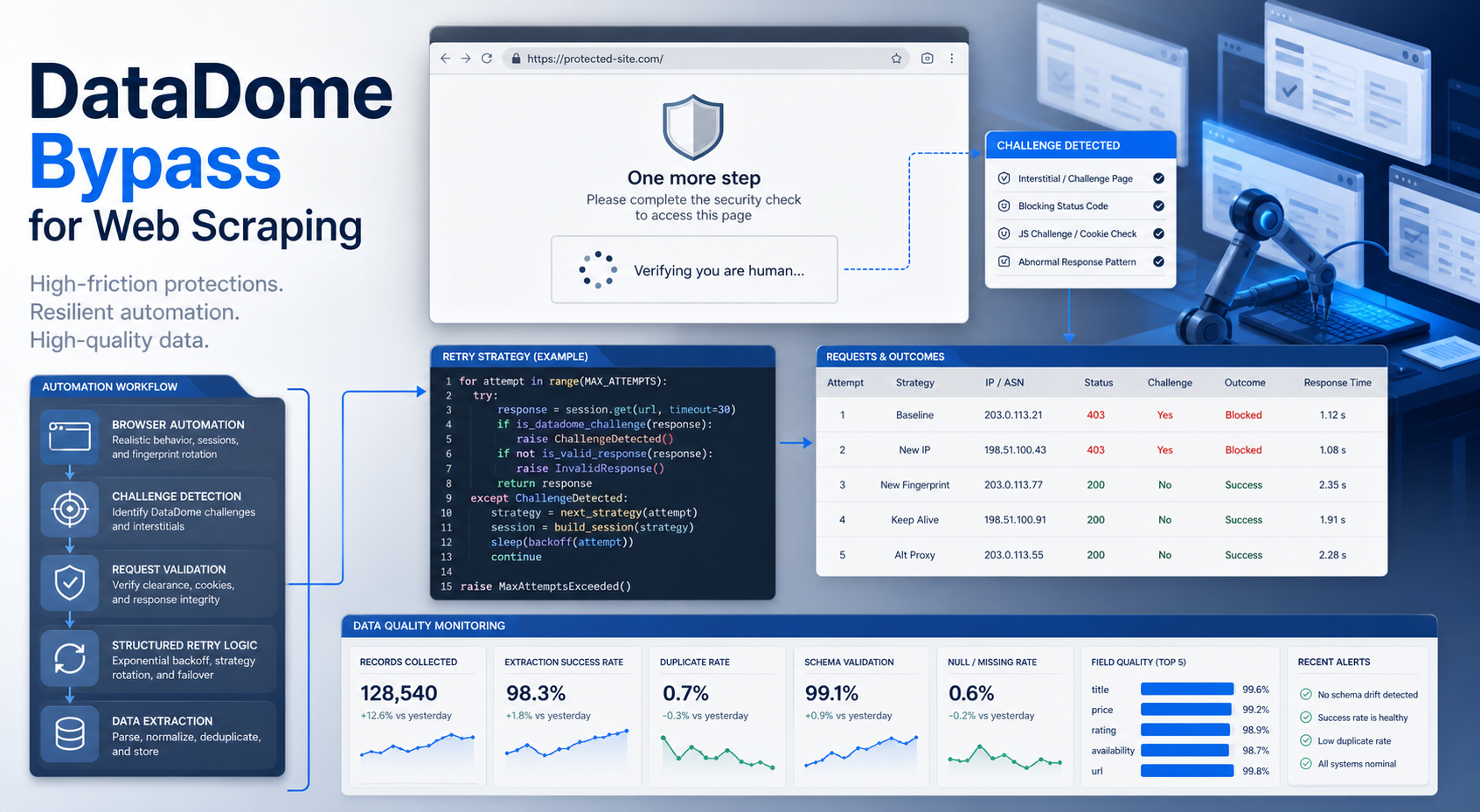
DataDome Bypass for Web Scraping
DataDome Bypass for Web Scraping
View Details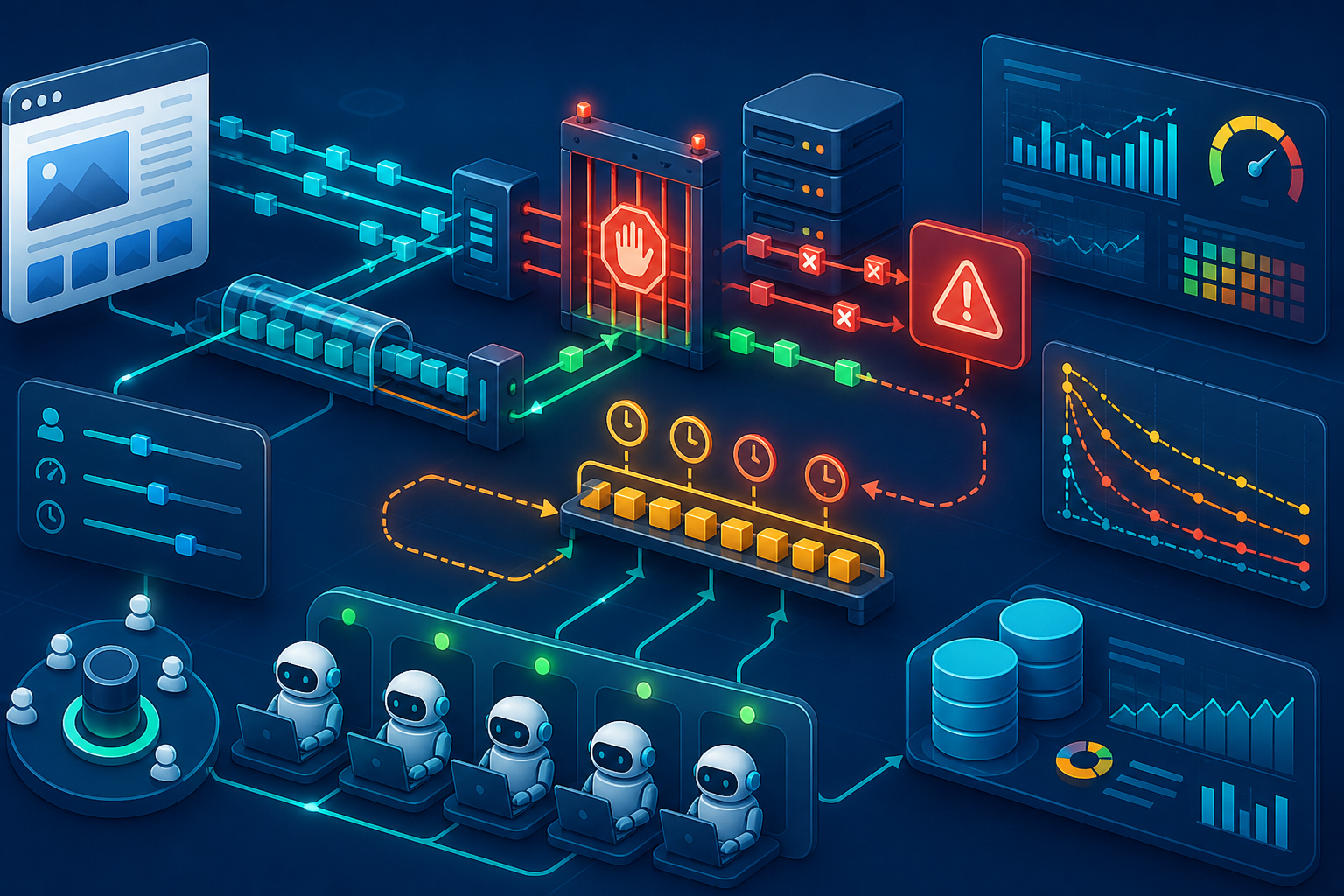
Web Scraping Rate Limiting: How to Handle 429s, Backoff, and Concurrency
Web scraping rate limiting is the engineering discipline of keeping an authorized collection workload inside a target service's acceptable request envelope. When that envelope is exceeded, a server may respond with HTTP 429 Too Many Requests, delay responses, or apply other controls.
View Details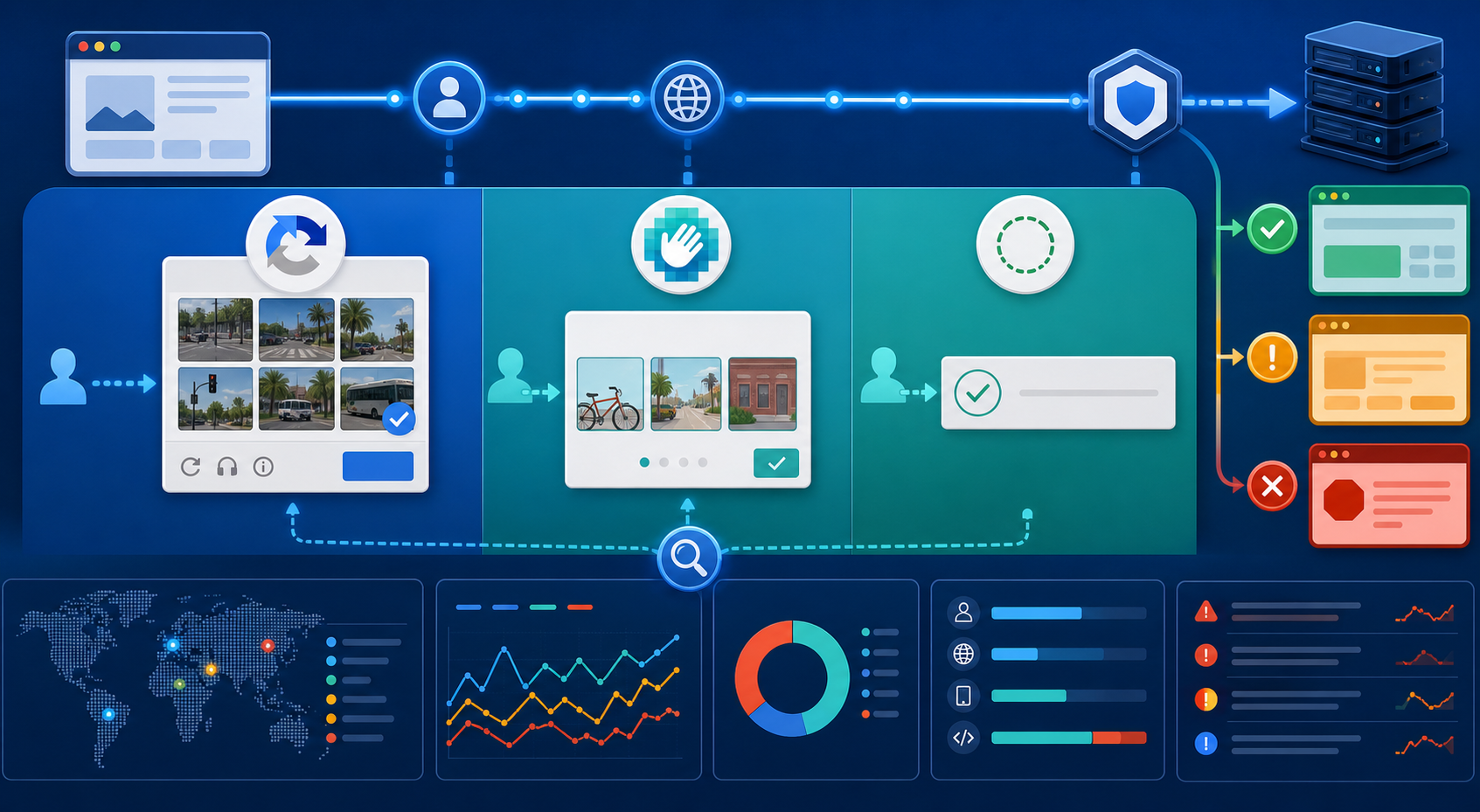
reCAPTCHA vs hCaptcha vs Cloudflare Turnstile: What Scraping Teams Need to Know
If an authorized data-collection workflow suddenly stops at a verification screen, identifying the protection system matters before you change code, browser settings, or proxy infrastructure. reCAPTCHA vs hCaptcha vs Turnstile is not simply a branding comparison. The three systems can expose different browser flows, token models, risk decisions, and failure symptoms.
View Details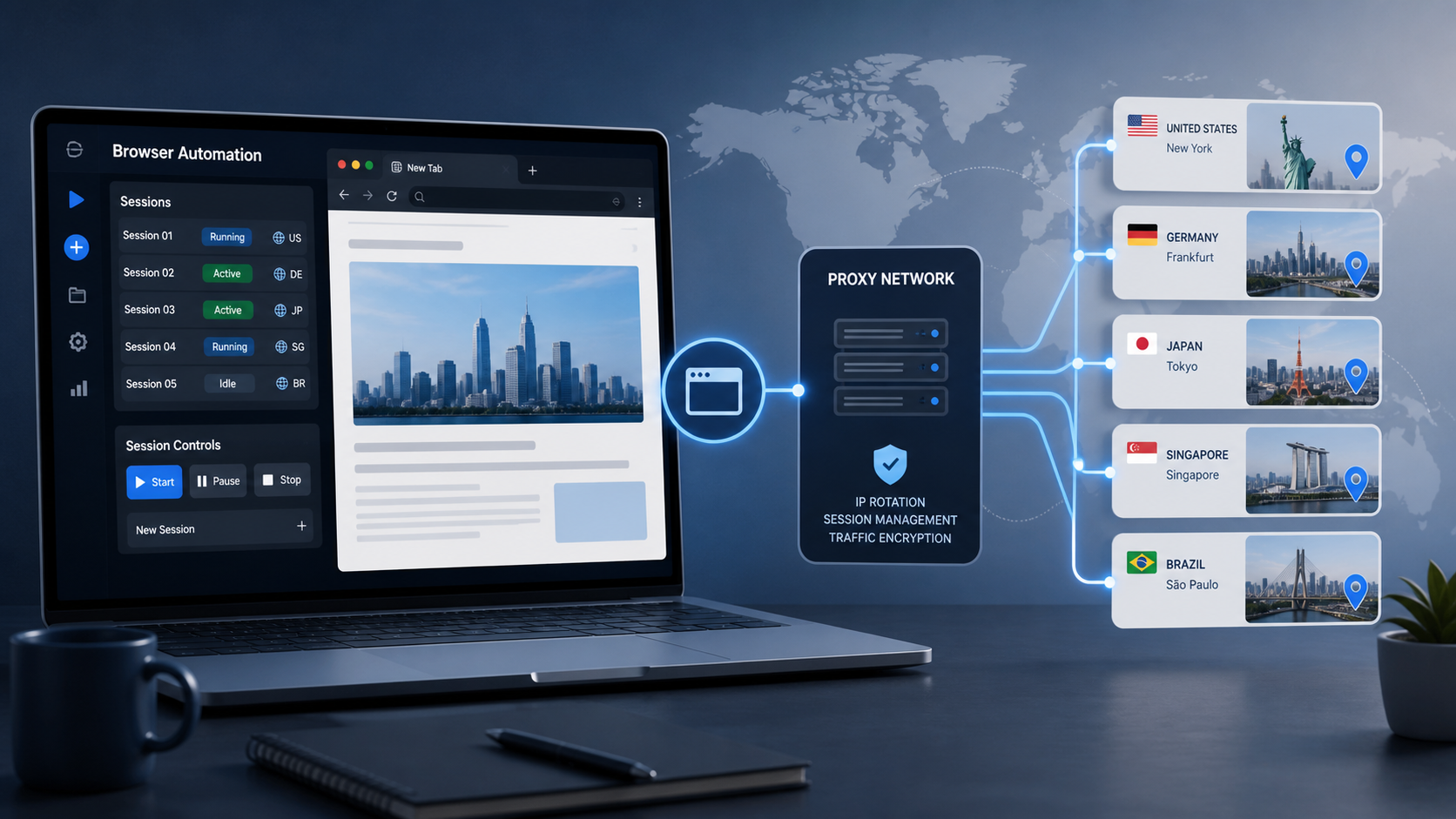
Browser Automation Proxies: IPs, Geo-Targeting, Sessions, and AI Agents
A browser automation proxy belongs to the network layer of Playwright, Selenium, cloud-browser, and AI-agent workflows. It changes how browser traffic is routed and can affect the source IP address, geographic egress, and session continuity seen by a destination site. It does not improve an AI model's reasoning, repair browser logic, or guarantee that a website will accept the session.
View Details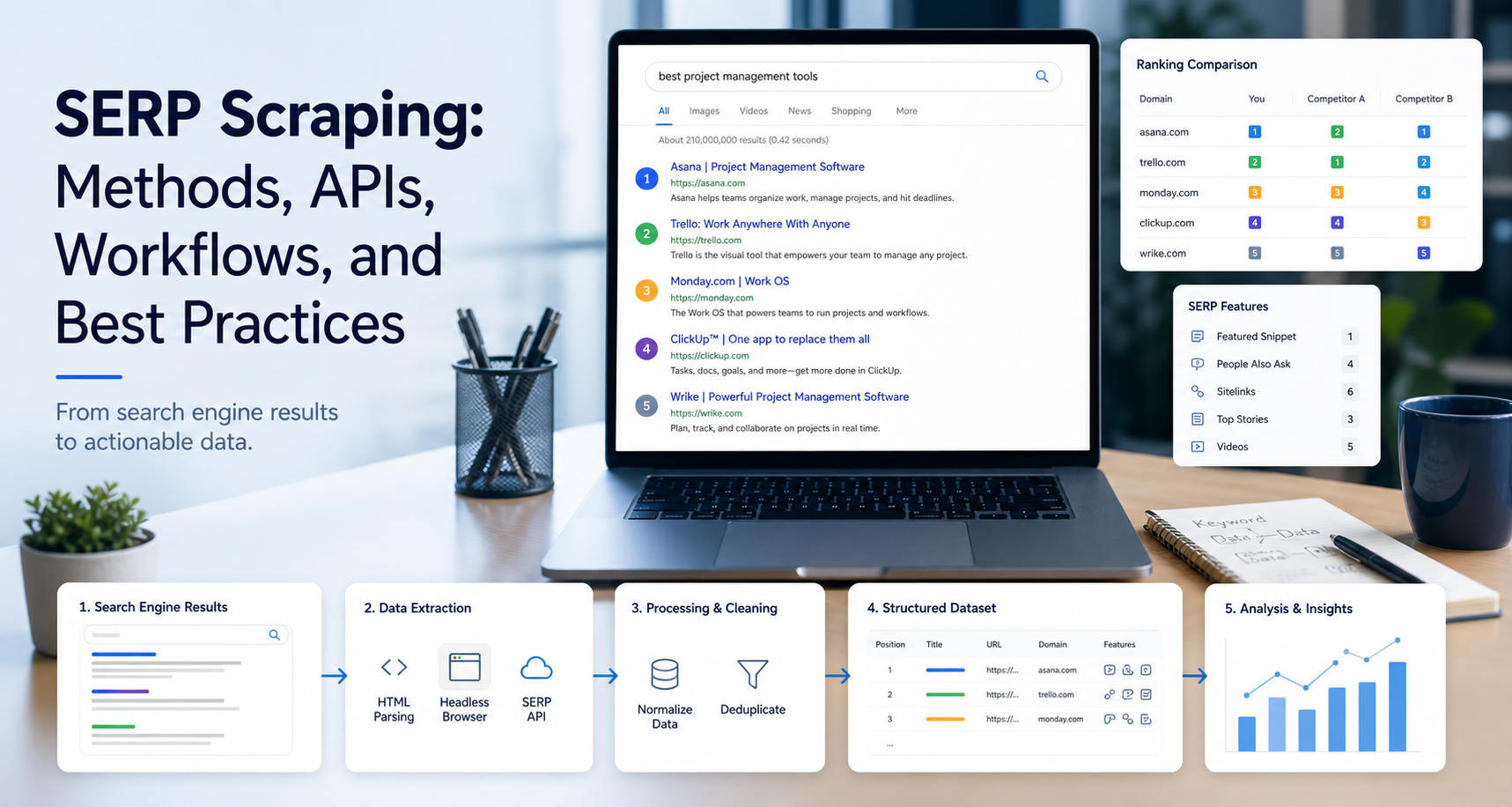
SERP Scraping: Methods, APIs, Workflows, and Best Practices
SERP scraping is the automated collection of information from search engine results pages. A SERP scraper can capture organic rankings, advertisements, featured snippets, People Also Ask questions, local results, shopping listings, images, and other search features, then convert them into structured data for analysis.
View Details