
TPB Proxy Explained: How To Stay Safe, Legal, and Informed
TPB Proxy Explained: How To Stay Safe, Legal, and Informed
Legal Disclaimer: This article is for educational purposes only. It explains the technical functionality of proxies and peer-to-peer protocols. It does not encourage, endorse, or support copyright infringement. Always adhere to the laws and terms of service applicable in your jurisdiction.
What is a TPB proxy and why do people search for it?
A TPB proxy is an intermediate web server that retrieves content from The Pirate Bay and forwards it to a user whose direct access is restricted.
In the context of data transfer, "TPB" refers to The Pirate Bay, a massive index of torrent files and magnet links. The site itself does not host the actual data (movies, software, or images) but provides the metadata required for a BitTorrent client to connect to other users. Because of this, it is a central node in the peer-to-peer ecosystem, though one fraught with legal challenges.
Users typically search for terms like "tpb proxy" or "tpb proxy bay" when their Internet Service Provider (ISP) blocks the main domain via DNS (Domain Name System) filtering. In these scenarios, a tpb proxy acts as a bridge. When you visit the proxy, your request goes to the proxy server, which then requests the page from the main site and displays the result to you.
Common searches like "tpb proxy 2025" or "tpb pirate proxy" reflect the constant game of "whack-a-mole" between regulators and site operators. Users look for the latest working domains because older proxies are frequently seized or abandoned. However, unlike enterprise-grade infrastructure provided by services like LycheeIP where transparency and uptime are guaranteed, a TPB proxy is often hosted anonymously, offering no guarantee of security or privacy.
Why does The Pirate Bay attract blocks, TPB proxies, and legal attention?
The Pirate Bay attracts blocks because it facilitates the mass distribution of copyrighted material without authorization.
Torrent files and the BitTorrent protocol are technology neutral; they are simply efficient ways to move large datasets. However, copyright laws in the United States, Europe, and other regions strictly prohibit the sharing of intellectual property without a license. Because the tpb proxy bay ecosystem is primarily used to circumvent these restrictions, it draws aggressive legal attention.
Specific actions that get users into trouble include:
- Seeding: Uploading copyrighted data to other peers.
- Leeching: Downloading unauthorized content via a tpb proxy or direct link.
- Indexing: Hosting a tpb proxy list that points to infringing material.
It is important to understand that intent and usage define legality. Using peer-to-peer technology to download a Linux distribution like Debian or Fedora is perfectly legal. Using a tpb pirate proxy to download a leaked movie is not. The technology is the same, but the legal outcome is vastly different.
What are TPB proxy sites, mirror lists, and TPB proxy bay hubs in practice?
TPB proxy sites are third-party websites that mirror the database of the original site, often monetized through aggressive advertising.
A typical tpb proxy site functions by scraping the original index or connecting to its backend API. These sites are often aggregated into a tpb proxy list or a tpb proxy server list. When you visit a site labeled "tpb proxy list," you will usually see a table of URLs, status indicators (Online/Offline), and speed ratings.
These hubs function differently than legitimate infrastructure:
- Volatility: A tpb proxy that works today might be gone tomorrow due to a domain seizure.
- Unknown Operators: Unlike a verified SaaS provider, the owner of a tpb pirate proxy is usually anonymous.
- Mirror Sites: Some are true mirror sites (hosting a separate copy of the database), while others are just reverse proxies passing traffic through.
Red flags on a tpb proxy list include excessive pop-up ads, requests to install "downloader" software, or claims of being a "100% official tpb proxy bay." In the world of unauthorized file sharing, "official" is a misleading term.
What are the main legal and security risks of using a TPB proxy?
The main risks of using a tpb proxy include exposure to malware, legal liability for copyright infringement, and data theft.
When you route traffic through an untrusted tpb proxy, the operator can see your IP address and your search queries. If the connection is not encrypted (HTTP instead of HTTPS), they can even inject malicious scripts into the page. This is a significant security flaw compared to using a clean, authenticated proxy for legitimate development work.
Malware and Fake Torrents:
Many tpb proxies manipulate search results. A user searching for a specific file might be presented with a fake torrent file or magnet link that executes a virus rather than downloading media. This is a common vector for ransomware.
Community Advice:
Users often turn to forums, searching for "tpb proxy reddit" threads to find safe links. While Reddit communities may offer anecdotal advice, relying on "tpb proxy reddit" suggestions is not a security strategy. Anonymous forum users cannot verify the backend security of a tpb proxy site.
Privacy Tools:
While many users deploy a virtual private network or vpn for torrenting, a VPN only encrypts the tunnel. It does not protect your device if you download a compromised executable file from a tpb proxy 2025 list.
Use LycheeIP to access reliable proxies
Which safer and legal alternatives can you use instead of a TPB proxy?
Safer and legal alternatives include official software repositories, public domain archives, and open-source indexes.
If you are looking for large files, you do not need a tpb proxy. Legitimate organizations use download torrents to save bandwidth costs.
- Debian: The Debian project offers official torrent files for their operating system installation images. This allows users to download Debian faster than via direct HTTP.
- Fedora: Similarly, the Fedora project encourages the use of peer-to-peer technology to distribute their Linux spins. Using a magnet link from the Fedora website is safe, legal, and efficient.
Public Domain Torrents:
Sites dedicated to public domain torrents host classic movies, books, and music that are no longer under copyright. These platforms allow you to use your bittorrent client without the legal risk associated with a tpb pirate proxy.
Trustworthy Indexes:
A trustworthy index clearly labels the license of the content. Look for sites that host Creative Commons media or open-source datasets. In these environments, tpb proxies are unnecessary because the main sites are not blocked by ISPs.
How does BitTorrent work and what do torrent files and magnet links do?
BitTorrent works by breaking large files into small "pieces" and distributing them across a swarm of users, allowing for decentralized data transfer.
When a bittorrent client initiates a download, it requests pieces from other users (peers) who already have them. Once your client downloads a piece, it immediately begins uploading it to others. This makes the network faster as more people join.
Torrent Files vs. Magnet Links:
| Feature | Torrent Files (.torrent) | Magnet Links |
| :--- | :--- | :--- |
| Data Type | A small physical file containing metadata. | A hyperlink string containing a hash. |
| Storage | Must be downloaded to your device first. | No file download required; opens client directly. |
| Reliance | Requires a central tracker to start. | Uses DHT (Distributed Hash Table) to find peers. |
| Usage | Older method, still common for Debian/Fedora. | Modern standard for tpb proxy sites. |
Infrastructure Distinction:
It is vital to distinguish between tpb proxies and legitimate proxy infrastructure. Companies like LycheeIP provide high-quality residential and datacenter proxies for developers who need to gather public data or test applications. LycheeIP focuses on clean IP pools, API stability, and legal compliance. In contrast, a tpb proxy is a single-purpose gateway often run on compromised or low-quality servers, designed solely to bypass DNS blocks for a specific site.
Which safer and legal alternatives can you use instead of a TPB proxy?
You can find completely legal download torrents on the official sites of major open-source projects.
For example, to download Debian, you would visit the official Debian website and select the "BitTorrent" option. The same applies to Fedora and other Linux distributions like Ubuntu or Arch. These communities rely on peer-to-peer sharing to reduce server load.
Public domain torrents are another excellent resource. Archives like Internet Archive or specialized public domain trackers host terabytes of historical footage and audio. Here, magnet links serve their intended purpose: preserving history through decentralized storage, far removed from the murky world of tpb proxies.
Use LycheeIP to access reliable proxies
Which privacy and security steps matter when you torrent legally?
The most critical privacy steps involve encrypting your connection and verifying file integrity (checksums).
Even when downloading legal ISOs like Fedora, privacy matters. A virtual private network (VPN) is frequently used to mask a user's IP address from the swarm. While a vpn for torrenting is often associated with piracy, it is a legitimate tool for privacy-conscious users who do not want their home IP broadcast to the entire peer-to-peer network.
ISP Data Retention:
ISPs often log metadata, including connection times and volume. Heavy upload traffic is a hallmark of P2P usage. While downloading public domain torrents is legal, ISP throttling algorithms might still flag the traffic type.
Proxy vs. VPN for P2P:
Developers sometimes ask if they can use a proxy for torrenting. Generally, standard HTTP/S proxies (like those used for web scraping) do not support the UDP traffic required by a bittorrent client. A virtual private network is better suited for tunneling the entire network stack of a computer, whereas proxies are typically application-specific.
When should you avoid TPB proxies altogether and rethink your approach?
You should avoid tpb proxies whenever you cannot verify the source of the file or the security of the intermediary server.
If you find yourself searching for a "tpb proxy list" or clicking through five different "mirror sites" just to find a file, you are entering a high-risk zone. Ask yourself:
- Can I verify the uploader? On a tpb pirate proxy, user badges can be faked.
- Is the file executable? Downloading .exe or .zip files from a tpb proxy site is a primary vector for malware.
- Is it worth the legal risk? Copyright trolls actively monitor tpb proxies to harvest IP addresses for litigation.
Sustainable P2P:
A better approach is to support the technology legally. Seed Debian isos. Archive public domain torrents. Use your bandwidth to help Fedora distribute updates. This improves the health of the peer-to-peer ecosystem without relying on the instability of a tpb proxy.
How can you put this TPB proxy knowledge into a safer action plan?
The best action plan is to transition away from reliance on tpb proxies and adopt strict security hygiene for all data transfer.
Quick Checklist:
- [ ] Audit your sources: Only use download torrents from official project domains (e.g., Debian, Fedora).
- [ ] Secure the connection: Use a reputable virtual private network if you wish to keep your P2P traffic private.
- [ ] Verify files: Check the SHA256 sum of any file downloaded via peer-to-peer methods.
- [ ] Ignore the hype: Disregard claims of "100% Safe" on any tpb proxy 2025 list or tpb proxy reddit thread.
- [ ] Use proper tools: Ensure your bittorrent client (e.g., qBittorrent, Transmission) is updated to patch security vulnerabilities.
By understanding how tpb proxies works, and their inherent flaws, you can make better decisions about how you interact with the decentralized web.
Use LycheeIP to access reliable proxies
Frequently Asked Questions:
Q1: Is using a TPB proxy illegal?
Using the proxy technology itself is not illegal, but using a tpb proxy to download or share copyrighted material without permission is illegal in most jurisdictions. Accessing a tpb proxy site to download torrents of open-source software like Debian is legal.
Q2: Why do TPB proxy sites change their domains so often?
TPB proxy sites and mirror sites frequently change domains because they are targeted by copyright enforcement agencies and ISP blocks. A tpb proxy 2025 list exists primarily to track these constantly shifting URLs.
Q3: Can a VPN protect me when using a TPB proxy?
A virtual private network or vpn for torrenting encrypts the traffic between your device and the VPN server, hiding your IP from peers and your ISP. However, it does not protect you from malware hidden inside files downloaded from a tpb pirate proxy.
Q4: What is the difference between a magnet link and a .torrent file?
A torrent file is a small file you download that contains metadata about the content. A magnet link is a hyperlink that allows your bittorrent client to download that metadata directly from other peers in the swarm, removing the need to download a .torrent file from a tpb proxy.
Q5: Are there safe uses for BitTorrent clients?
Yes. BitTorrent clients are widely used for legal purposes, such as downloading Linux distributions like Fedora and Debian, or accessing public domain torrents and large scientific datasets.
Q6: Is a proxy server the same as a VPN for torrenting?
No. A proxy usually routes traffic for a specific application (like a browser) and may not encrypt data. A virtual private network captures all traffic from the device and encrypts it. For peer-to-peer privacy, a VPN is generally preferred over a standard web proxy.

Recommended Articles
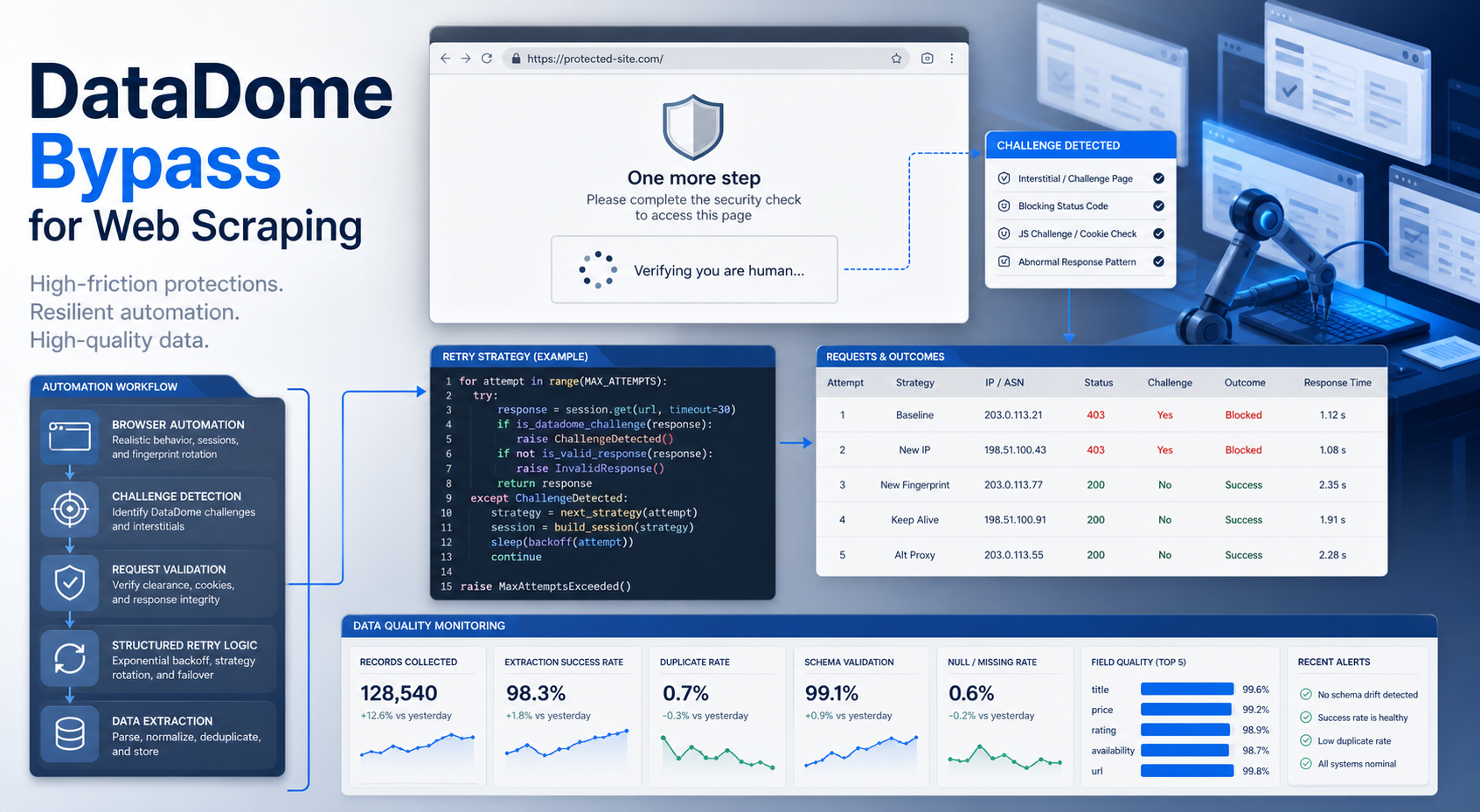
DataDome Bypass for Web Scraping
DataDome Bypass for Web Scraping
View Details
Web Scraping Rate Limiting: How to Handle 429s, Backoff, and Concurrency
Web scraping rate limiting is the engineering discipline of keeping an authorized collection workload inside a target service's acceptable request envelope. When that envelope is exceeded, a server may respond with HTTP 429 Too Many Requests, delay responses, or apply other controls.
View Details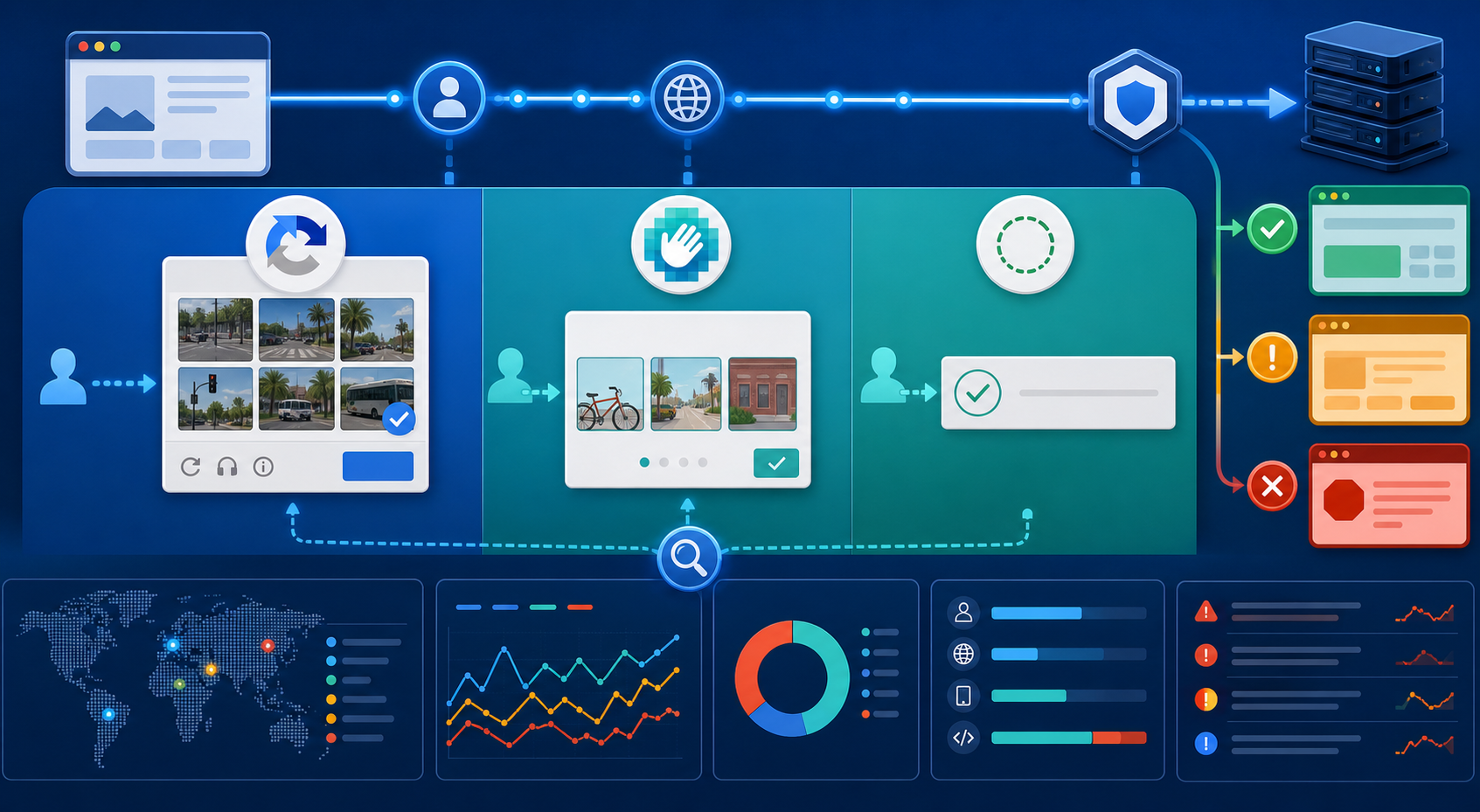
reCAPTCHA vs hCaptcha vs Cloudflare Turnstile: What Scraping Teams Need to Know
If an authorized data-collection workflow suddenly stops at a verification screen, identifying the protection system matters before you change code, browser settings, or proxy infrastructure. reCAPTCHA vs hCaptcha vs Turnstile is not simply a branding comparison. The three systems can expose different browser flows, token models, risk decisions, and failure symptoms.
View Details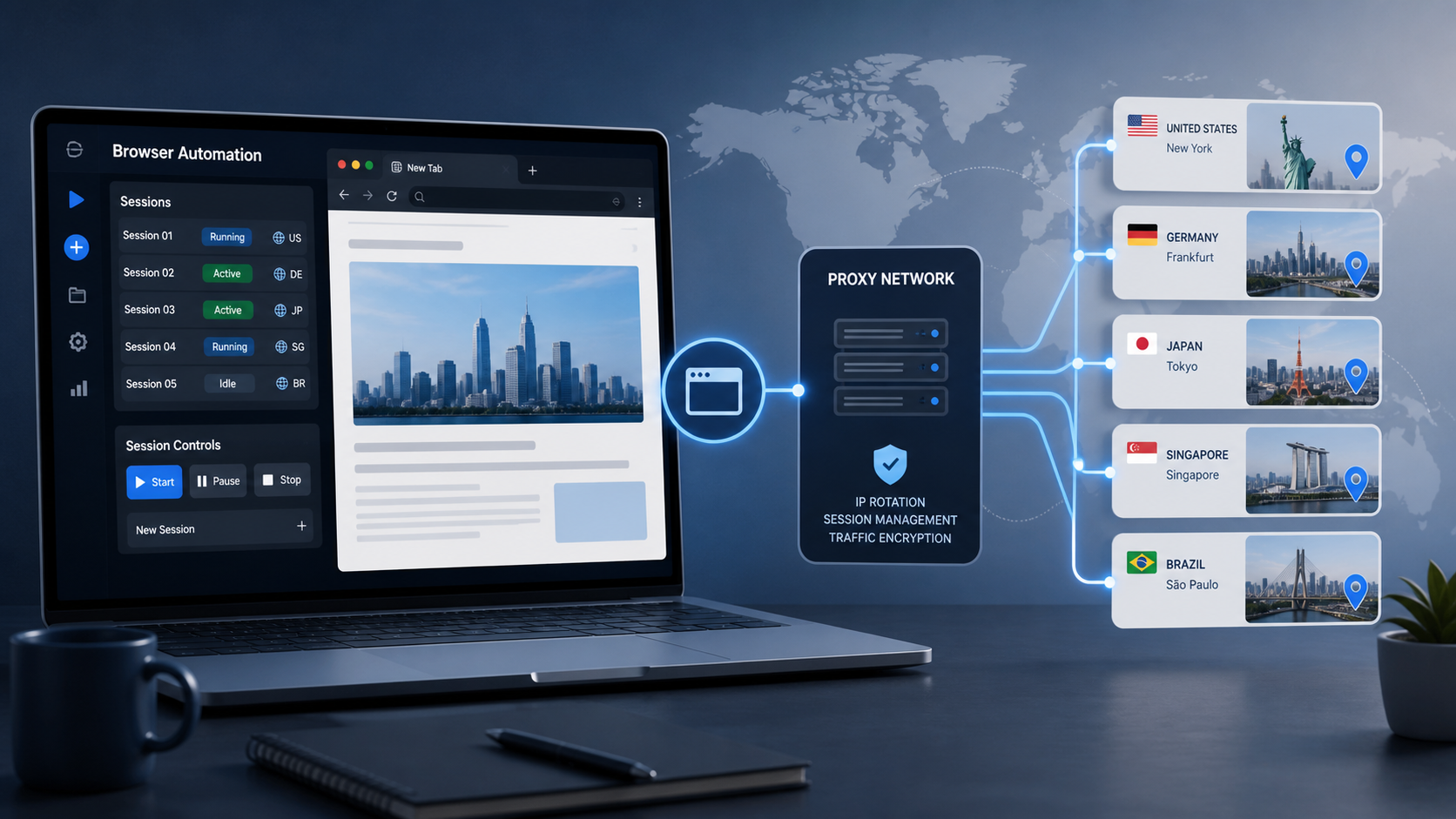
Browser Automation Proxies: IPs, Geo-Targeting, Sessions, and AI Agents
A browser automation proxy belongs to the network layer of Playwright, Selenium, cloud-browser, and AI-agent workflows. It changes how browser traffic is routed and can affect the source IP address, geographic egress, and session continuity seen by a destination site. It does not improve an AI model's reasoning, repair browser logic, or guarantee that a website will accept the session.
View Details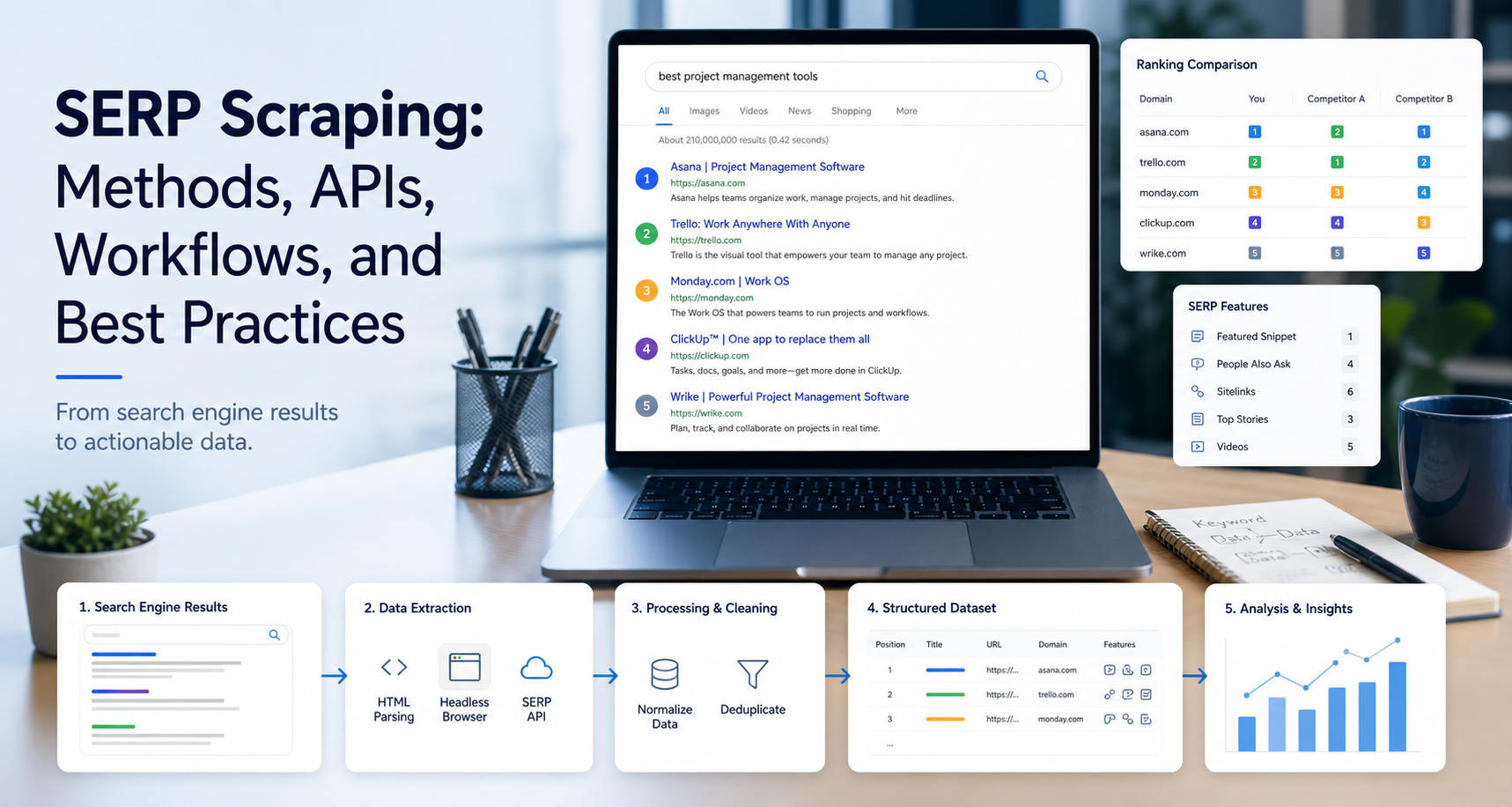
SERP Scraping: Methods, APIs, Workflows, and Best Practices
SERP scraping is the automated collection of information from search engine results pages. A SERP scraper can capture organic rankings, advertisements, featured snippets, People Also Ask questions, local results, shopping listings, images, and other search features, then convert them into structured data for analysis.
View Details