
How to Build a Social Listening Agentic Workflow in 2026
A social listening agentic workflow is no longer just a vanity metric dashboard. In 2026, it is a practical system for monitoring public conversations, filtering out junk, interpreting intent, and routing useful signals into specific business operations. What matters now is not how much data your scraping teams collect. It is whether your system can turn fragmented chatter across networks into actions your fraud, sales, or product teams can trust.
What you will get in this guide
- A clear framework for building pipelines without drowning in noise.
- A build-path matrix for n8n, LangGraph, and managed tools.
- A troubleshooting table for common data failures.
- A clear view of where human review still matters.
Build with LycheeIP proxies
What is a social listening agentic workflow?
It is a goal-based system that listens, interprets, and routes actions instead of only collecting mentions. Agentic AI refers to systems designed to make bounded, autonomous decisions to achieve a specific outcome. This workflow goes beyond basic keyword tracking because it tries to answer business questions directly. Instead of counting mentions, a brand monitoring AI agent asks if a volume spike represents a real security risk or pure buyer intent.
That distinction is critical for data engineers and operational teams. Standard social media listening often stops at data collection. An agentic setup continues into judgment support and operational follow-through. It can notice a pattern, check for supporting context, classify urgency, and push the result into a secure Slack channel or CRM.
How does agentic AI differ from standard social listening?
Standard listening reports what happened, while agentic systems decide what to do next within set rules. Agentic workflows are built around decision loops rather than static charts.
A regular setup usually works passively by collecting mentions and labeling them for human review. A social listening automation workflow acts more like a junior analyst. It collects signals, validates relevance, enriches the context, scores the importance, and then triggers the next best action.
| Setup Type | Best For | Main Weakness |
| Dashboard-only listening | Basic monitoring and quarterly reporting | Too slow for operational action |
| Static automation | Simple alerts and basic tagging | Breaks easily on nuance and edge cases |
| Social listening agentic workflow | Signal triage and action routing | Requires strong technical guardrails |
Why does 2026 change the way data teams build pipelines?
Platform access, content formats, and compliance expectations now vary enough that one generic setup breaks easily. Today, official API access differs drastically by network. Social listening for Threads supports keyword discovery paths, while X offers search windows that vary by API tier. TikTok restricts official research tools to qualifying researchers in specific regions. A modern social listening agentic workflow must handle platform mismatch natively.
Governance is also tightening. Social listening under the EU AI Act requires teams to understand transparency obligations. If your systems process sensitive contexts or automate decisions, you must document boundaries carefully.
Which architecture works best for a social listening agent?
A multi-stage pipeline with distinct collection, filtering, analysis, and routing nodes usually beats one monolithic agent. The cleanest way to structure this is the LISTEN Framework.
- L = Locate the public sources and queries that matter.
- I = Isolate noise with source, language, and entity filters.
- S = Score intent, urgency, and confidence levels.
- T = Triage results to the right person or system.
- E = Enrich with context such as author role or competitor mapping.
- N = Note outcomes so you can improve rules over time.
This structure works because pipelines fail less from lack of AI logic and more from poor workflow design.
How do you reduce noise and spam in social data?
Start with strict source rules, intent scoring, deduplication, and escalation thresholds before you add more AI. Most setups fail for predictable reasons like vague keywords, bot amplification, and ignoring the difference between casual curiosity and buying intent.
Fix your query and routing logic first. Separate brand terms from generic terms. Use negative keywords aggressively. Score posts by source quality rather than raw volume. Require at least one corroborating signal before escalating a warning to human reviewers.
Troubleshooting Common Workflow Failures
| Failure Mode | What It Usually Means | Fix First |
| Too many irrelevant mentions | Query is too broad | Add entity, phrase, and negative-keyword filters |
| Too many urgent alerts | No confidence threshold | Add minimum evidence rules before routing |
| Sentiment looks entirely wrong | Sarcasm or slang issue | Use theme plus sentiment rather than sentiment alone |
| Sales gets junk leads | Intent scoring is shallow | Require trigger phrases and contextual checks |
| Reports look smart but useless | Routing is unclear | Map every signal type to a specific owner and next action |
Build with LycheeIP proxies
How can you build an agent with n8n or LangGraph?
Choose n8n for operational workflows, LangGraph for custom orchestration, and reliable proxy networks for the data collection layer. You should select your build path based on workflow complexity rather than just your engineering capacity.
n8n fits teams that want visible logic and easier integration into business systems. LangGraph fits engineers who need long-running agent behavior, memory, and complex retries. Managed options or exploring the Best AI Social Listening Tools like Trigify might work for sales teams prioritizing speed over custom infrastructure.
How LycheeIP fits into your data collection layer
If you are scaling a custom social listening agentic workflow across global public sources, your collection layer needs stable infrastructure. Many common market approaches rely on recycled IPs with high block rates, which breaks your data pipeline before the AI can even analyze it. LycheeIP operates purely as your developer-first infrastructure layer to solve this.
- Stable connections: Provides secure and 100% exclusive global proxy IP services allocated directly from underlying operators.
- Strict quality control: Every IP goes through a cooling period of more than six months before use to ensure clean data retrieval.
- Scale and speed: Offers unlimited concurrency for dynamic residential proxies and low latency (under 50ms) for static datacenter proxies.
- Protocol flexibility: Supports both HTTP/S and SOCKS5 protocols for seamless integration into n8n or Python scripts.
- Transparent management: Includes a web dashboard and a near real-time API for monitoring usage statistics.
Check LycheeIP docs for details on the 1 GB free test traffic for dynamic residential proxies.
Which use cases create the most business value first?
Start with brand risk, competitor shifts, buyer intent, and product feedback because they create the fastest operational payoff. A successful social listening agentic workflow focuses on specific operations.
- Scraping teams & Data engineers: Gathering reliable public data at scale requires bypassing rate limits cleanly. Use the workflow to structure unstructured HTML into clean JSON payloads.
- Fintech ops: Tracking macro sentiment and localized risk signals. A workflow can aggregate regional financial chatter and flag sudden spikes in bank-run rumors.
- Security & fraud ops: A crisis monitoring workflow helps detect phishing campaigns or executive impersonation accounts before they trap customers.
- Sales & multi-account agencies: Buyer intent social listening helps route leads. Look for phrases that suggest active evaluation or switching behavior, then push those leads directly to CRM queues. Social Listening for Competitor Intelligence also falls here.
When should you avoid automated responses?
Do not automate public replies or sensitive escalations where context, policy, or reputational risk matters. A social listening agentic workflow should help you decide faster, not speak automatically in public.
Automated responses often lack brand judgment and legal caution. The workflow can prepare drafts, summarize threads, and provide escalation context, but sensitive messaging should stay human-reviewed.
What are the main assumptions and limitations?
- Platform access changes frequently. You must monitor current API and scraping access policies before full rollout.
- Sentiment alone is a weak decision signal and should always be paired with thematic context.
- Video-first platforms require entirely different collection and interpretation strategies than text-first platforms.
- A workflow tuned perfectly for sales intent will likely fail at crisis detection.
- The information in this guide is operational strategy, not legal advice.
Build with LycheeIP proxies
Frequently Asked Questions:
1. What is AI social listening?
AI social listening uses machine learning models to monitor public conversations, group them into themes, and surface patterns. It helps interpret meaning, urgency, and likely next actions rather than just counting keyword matches.
2. What is a social listening agentic workflow?
A social listening agentic workflow is a goal-driven system that listens, analyzes, and triggers bounded follow-up actions like alerts or CRM routing. It is broader than static automation because it can work through dynamic steps toward an outcome.
3. How is agentic AI different from basic automation?
Basic automation follows fixed rules. Agentic AI can evaluate context, choose tools, enrich results, and decide the next bounded step toward a goal.
4. Can I build these workflows with no-code tools?
Yes. Platforms like n8n work exceptionally well for operational automation across business systems. Code-heavy frameworks like LangGraph are better suited to custom agent orchestration and tool-calling.
5. How do you reduce noise in social listening data?
Start with better source and query design. Use negative exclusions, deduplication rules, and confidence thresholds before you rely on model outputs.
6. Does the EU AI Act affect social media listening?
Potentially. The exact impact depends on what your workflow does and whether it affects public-facing communications or high-risk decisions. Teams should review transparency and documentation practices thoroughly.
7. Can one workflow monitor all social platforms equally well?
No. Coverage and access differ wildly by platform. You need distinct collection strategies for platforms with API access versus those requiring front-end data collection.
8. How important are proxies in custom social listening setups?
They are critical. If your collection scripts use flagged IPs, you will receive CAPTCHAs or blocked requests instead of usable data. Developer-first proxy infrastructure ensures your agent actually has data to analyze.

Recommended Articles
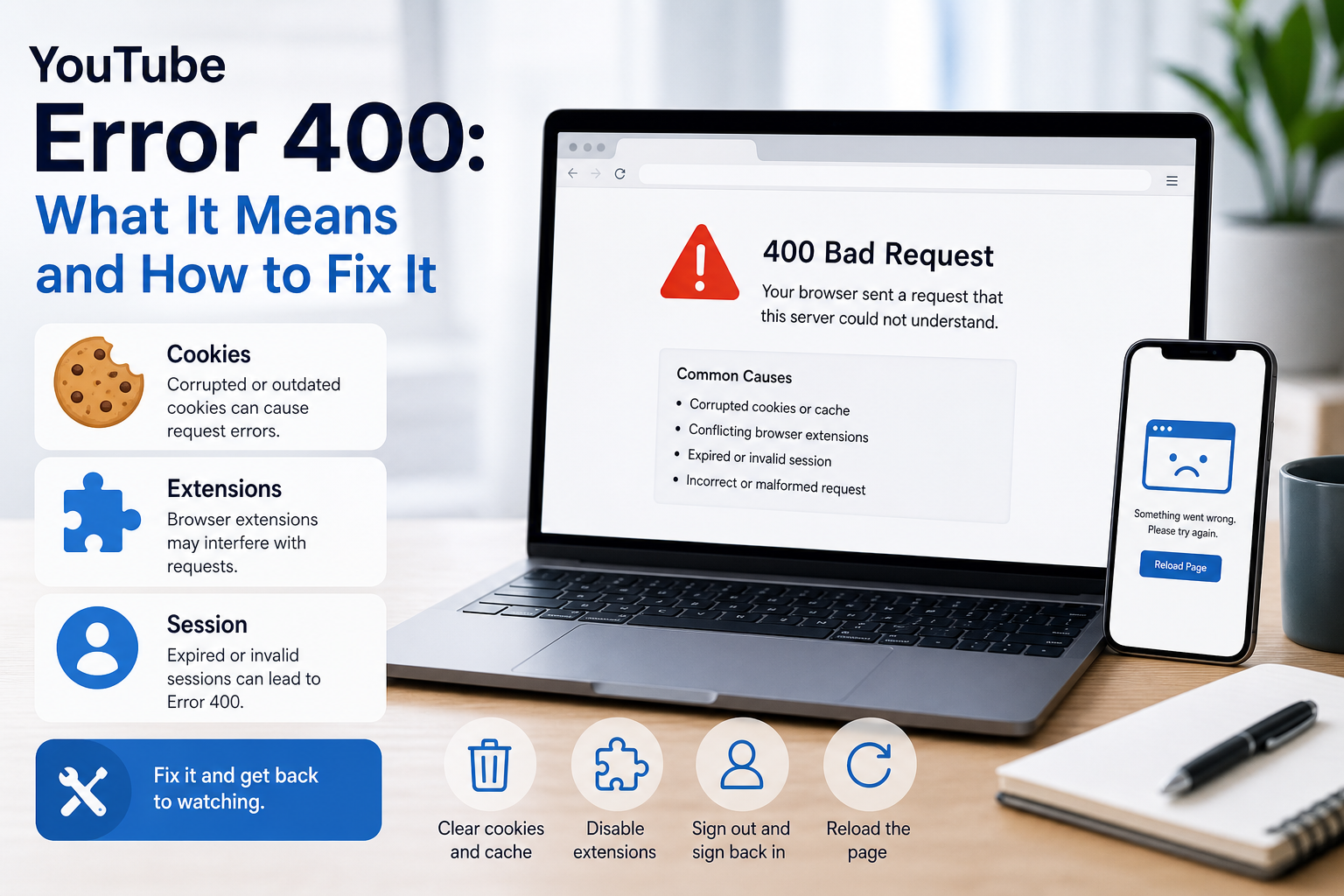
YouTube Error 400: What It Means and How to Fix It
In HTTP terminology, a 400 Bad Request is a client-error response. MDN explains that servers commonly return 400 when they consider the request malformed, incorrectly framed, or deceptively routed. The important troubleshooting clue is that repeating the exact same request without changing anything is expected to fail again.
View Details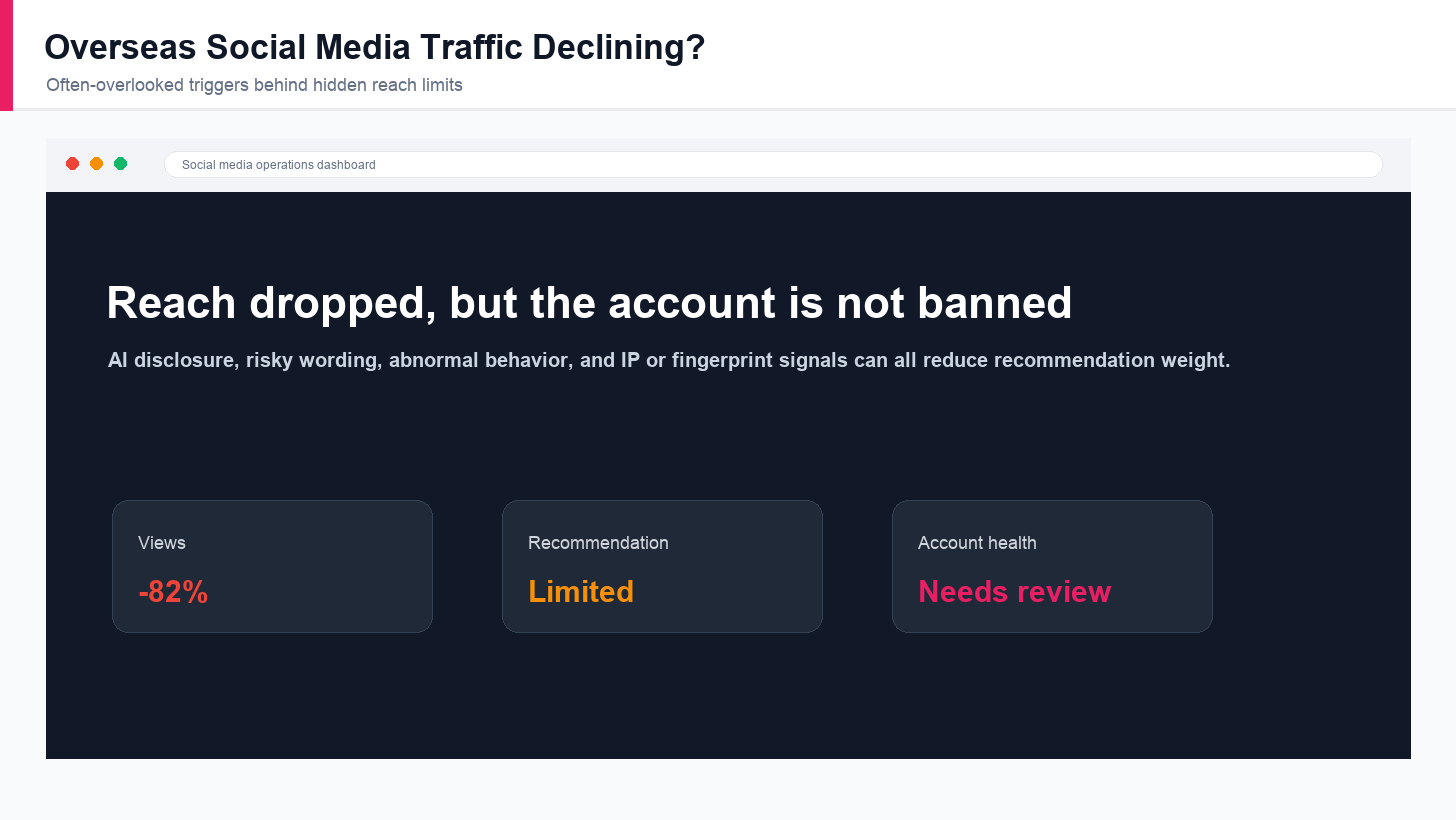
Overseas Social Media Traffic Declining? These Reach-Limiting Triggers Are Often Overlooked
A practical guide to overlooked overseas social media reach drops, covering AI content disclosure, risky wording, abnormal account behavior, hidden reach-limiting signals, and account environment checks.
View Details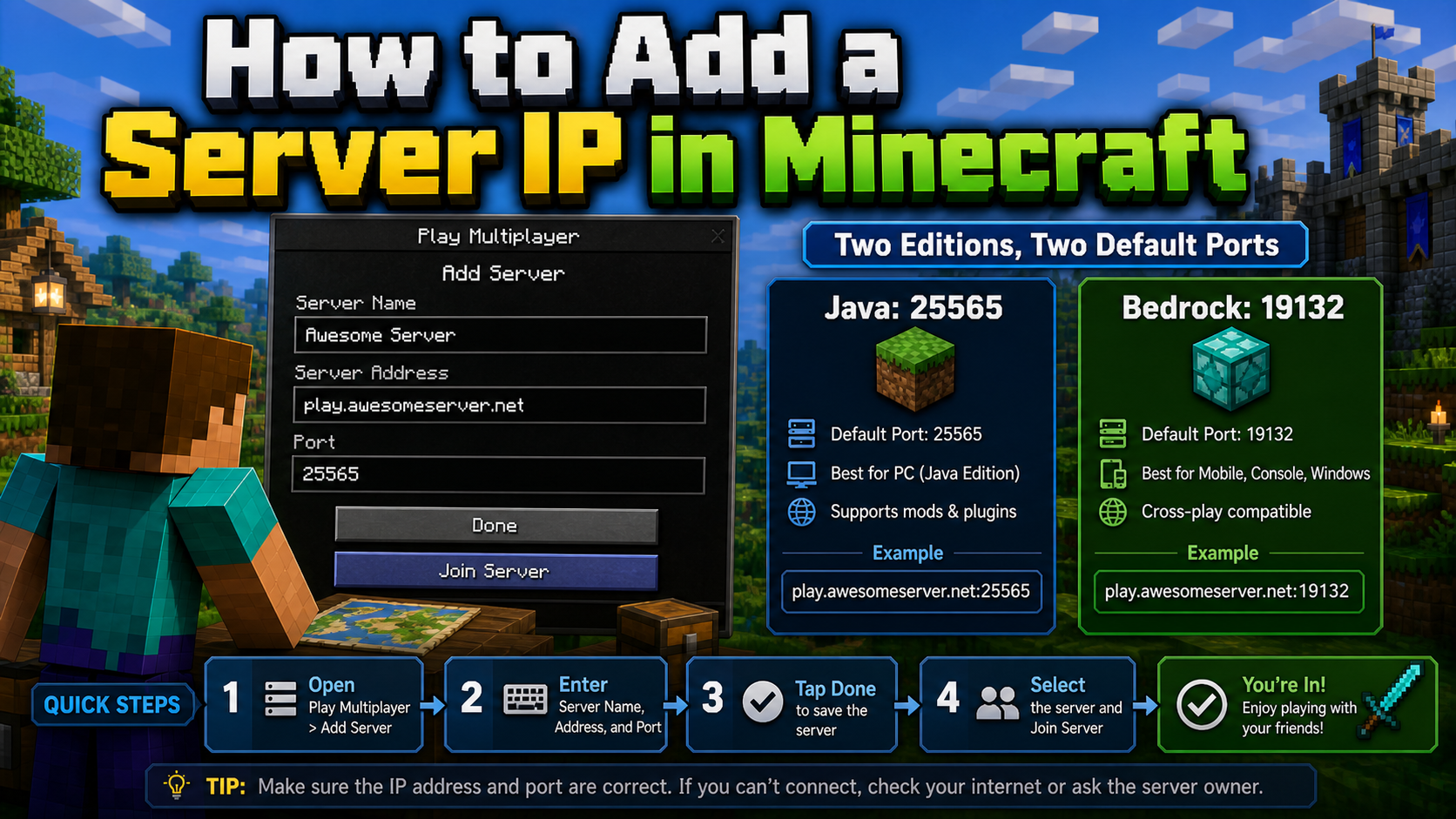
How to Add a Server IP in Minecraft Step by Step
Learn exactly where to enter a Minecraft server IP in Java, Bedrock, and Pocket Edition, plus how to fix common connection errors, ports, and edition mismatches.
View Details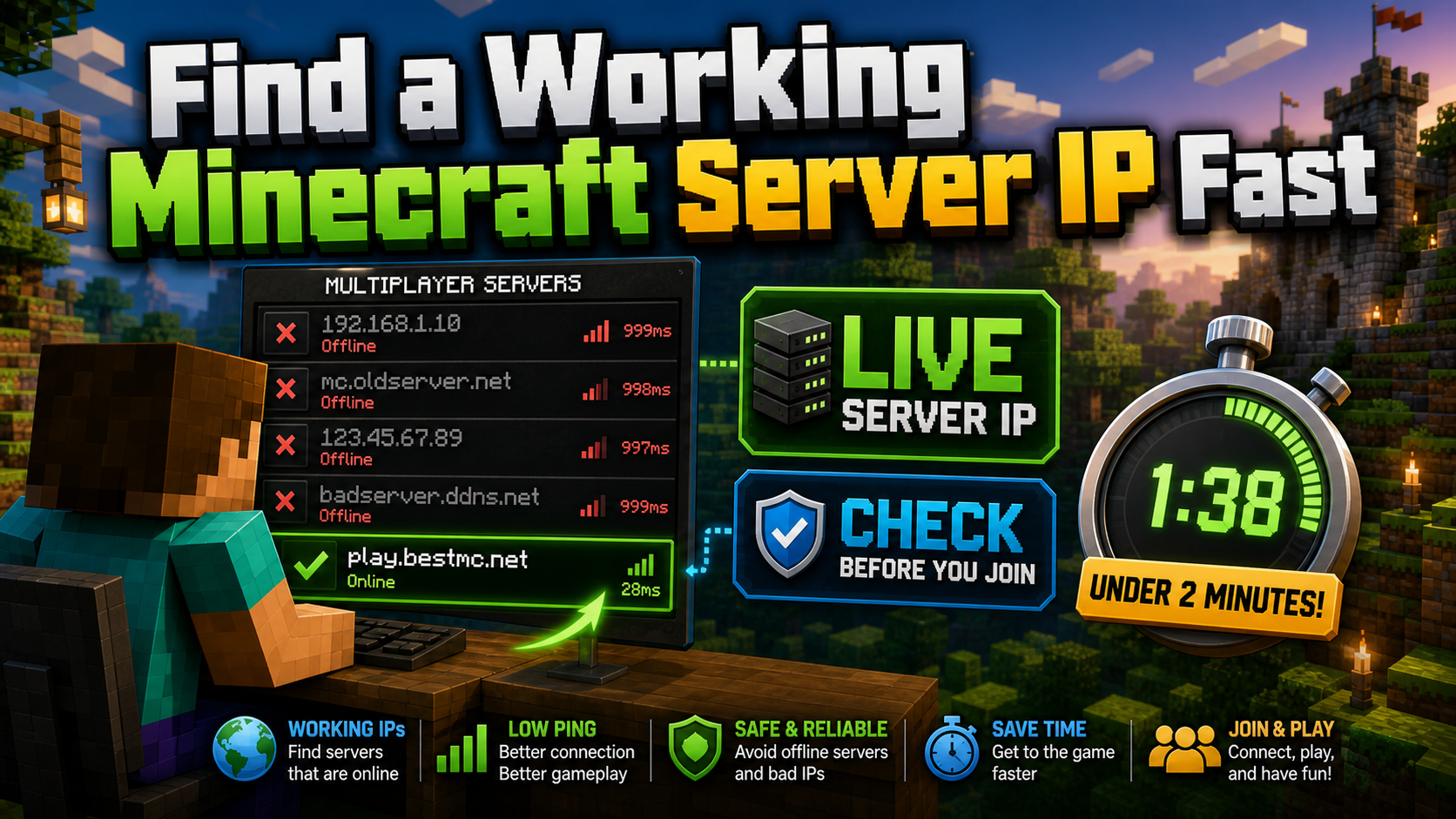
How to Find a Working Minecraft Server IP Fast
Stop wasting time on dead Minecraft server IPs. Learn how to verify live servers quickly, read status icons, check ports, and source updated server addresses.
View Details
Best 24/7 Online Minecraft Server IPs — No Downtime
Find reliable 24/7 Minecraft server IPs for Java and Bedrock, plus uptime checks, port basics, ping guidance, crossplay notes, and network stability tips.
View Details