
Proxy Site List (2026): How to Choose Safe Options Fast
Proxy Site List (2026): How to Choose Safe Options Fast
If you are searching for a proxy site list, you are likely trying to solve one of three problems. You need to access a geo-blocked website, you need to scrape data without getting banned, or you need to manage multiple accounts safely.
The problem is that the internet is flooded with lists. Some are "web proxies" that run in your browser (slow and ad-heavy), and others are lists of raw IP:Port combinations (often dead or dangerous). Picking the wrong list does not just mean slow speeds. It can mean leaked credentials, injected malware, or immediate IP bans.
This guide moves beyond the standard directory. It provides a technical framework to evaluate any proxy list, choose the right protocol, and maintain stable connections.
Explore LycheeIP's Developer-First Proxies
What is a proxy site list and what is it not?
A proxy site list is a directory of endpoints that route your internet traffic through a third-party server. These lists generally fall into two technical categories:
- Web Proxy Sites: These are websites with a URL bar inside them. You type a target address, and the server fetches the page for you. These are usually free, ad-supported, and insecure.
- IP Proxy Lists: These are lists of IP addresses and port numbers (e.g., 192.168.x.x:8080) that developers plug into scraping scripts, browsers, or automation tools.
What it is not: A proxy list is not a magic shield. It does not guarantee encryption (unless configured correctly), and it does not make you invisible. If you use a public list, the server owner can often see your traffic.
Why are free proxy lists usually a bad idea?
Free proxy lists are usually compiled from misconfigured servers or infected devices (botnets). Because they are public, thousands of users hit them simultaneously.
If you rely on a free proxy site list for business or data tasks, you will face these specific risks:
- The "Honeypot" Risk: Some free proxies are set up intentionally by bad actors to sniff traffic and steal login cookies or headers.
- Data Injection: Operators may inject JavaScript or ads into the HTML you receive, breaking your scraper or compromising your browser.
- Zero Reliability: Free IPs burn out in minutes. If you are running a long scrape job, your connection will drop constantly.
- Already Banned: Major sites (Google, Amazon, social platforms) blacklist public proxy IPs almost instantly.
The verdict: Treat free lists as untrusted infrastructure. Only use them for testing non-sensitive pages where failure is acceptable.
Decision Matrix: Which proxy type fits your goal?
Not all proxies are built the same. Use this matrix to match your use case to the correct infrastructure type.
| Proxy Type | Best For | Tradeoffs | Performance Note |
| Datacenter | High-speed scraping, simple unblocking, testing. | Easier to detect by advanced anti-bot systems. | Lowest latency (<50ms usually). |
| Residential | Account management, scraping tough targets (retail/social). | Higher cost per GB or IP. | Uses real ISP-assigned IPs. |
| ISP (Static Resi) | Long-term sessions (banking, social accounts). | Limited availability compared to dynamic pools. | Combines speed + high trust score. |
| Mobile | The hardest targets, app emulation. | Most expensive; slower speeds. | Rotates via 4G/5G carrier towers. |
If you are a developer building a scraping engine, Datacenter is your starting point for speed. If you face immediate blocks, you move to Residential.
Explore LycheeIP's Developer-First Proxies
The SAFE-LIST Scorecard: How to judge a proxy provider
Before you paste credentials into a tool or buy a plan, run the provider or list through this 5-point check.
- S (Source): Do they own the infrastructure or source ethically? If they cannot explain where the IPs come from, they might be using a botnet.
- A (Authentication): Does the proxy require a username/password or IP whitelisting? Open proxies allow anyone to connect, which degrades performance immediately.
- F (Freshness): How often is the proxy site list updated? For dynamic pools, does the provider offer a "cooling period" to ensure IPs are not reused too quickly?
- E (Encryption): Does it support HTTPS tunneling? Never send sensitive data over a proxy that only supports plain HTTP.
- L (Latency): Ping the proxy endpoint. If the handshake takes >500ms, your scraping success rate will plummet due to timeouts.
HTTP(S) vs. SOCKS5: Which protocol do you need?
When configuring your tools, you will see options for different protocols. Choosing the wrong one is a common setup error.
HTTP(S) Proxies:
These are designed specifically for interpreting web traffic.
- Use when: You are web scraping, using a browser extension, or accessing standard websites.
- Benefit: They can often handle headers and interpret traffic intelligently.
SOCKS5 Proxies:
These are lower-level proxies that simply transfer data packets without interpreting them.
- Use when: You are using non-web applications (FTP, torrent clients, gaming, video streaming) or need a direct TCP connection.
- Benefit: More flexible and secure for diverse traffic types (UDP/TCP).
If you are tired of battling the instability of public lists, LycheeIP offers a developer-first alternative. We focus on clean, ethically sourced infrastructure that integrates directly into your code.
Why developers switch to LycheeIP:
- The 6-Month Cooling Period: We are strictly rigorous about IP quality. For our dynamic residential pools, we enforce a scenario cooling period of more than six months. This means you are not fighting for an IP that was just abused by someone else.
- Transparent Sourcing: We use resources allocated directly from underlying operators, ensuring stability and legality.
- Simple Limits: We offer unlimited concurrency on dynamic residential proxies so you can scale your threads without bottlenecks.
- Clear Dashboards: Monitor your usage and manage your proxy site list via a modern web dashboard or simple API.
Whether you need static datacenter IPs with <50ms latency or global residential coverage, we provide the raw power without the fluff.
Explore LycheeIP's Developer-First Proxies
Quick-Start SOP: Validating your proxy site list
Follow this Standard Operating Procedure (SOP) every time you add a new proxy source to your stack.
- Configure: Add the Host, Port, Username, and Password to your tool.
- Connectivity Check: Run a simple curl or browser request to a reliable "echo" site (like httpbin.org/ip) to confirm the proxy is forwarding traffic.
- Leak Test: Visit a DNS leak test site. Ensure the location displayed matches the proxy location, not your actual physical location.
- Speed Test: Measure the time-to-first-byte (TTFB). If it exceeds your timeout threshold (e.g., 2 seconds), remove it from your pool.
- Target Test: Finally, attempt to load your specific target URL. If you get a CAPTCHA immediately, the IP reputation is likely poor.
Troubleshooting: Why your proxies are failing
If your proxy site list is not working, check this table before rewriting your code.
| Failure Symptom | Likely Cause | Suggested Fix |
| Connection Refused | Wrong IP whitelist or Port. | Check your dashboard. Ensure your current machine's IP is whitelisted (max 5 IPs for LycheeIP static residential). |
| 403 Forbidden | IP Ban or Bad User-Agent. | Rotate the IP. If that fails, check your User-Agent string and headers. |
| 407 Proxy Auth Required | Missing Credentials. | Ensure your script is passing the user:pass string correctly for the protocol used. |
| Slow / Timeouts | High Latency or Dead IP. | The proxy server is overloaded. Switch to a provider with specified throughput (e.g., 1Gbps+). |
| CAPTCHA Loops | Low IP Trust Score. | Your IP is flagged as "bot-like." Switch from Datacenter to Residential or ISP proxies. |
When should you NOT use a proxy?
Proxies are powerful tools, but they introduce complexity. You should avoid using them if:
- The activity is illegal: Do not use proxies to bypass laws or access content you do not have the rights to (such as using a pirate bay list of proxy sites). This invites security risks and legal consequences.
- You control the server: If you are scraping your own website for testing, whitelist your local IP instead of routing through a proxy.
- You need 100% banking-grade security: While paid proxies are secure, direct connections are always the minimized risk path for highly sensitive financial transactions involving your own personal funds.
Explore LycheeIP's Developer-First Proxies
Frequently Asked Questions:
1. Is a free proxy site list safe to use?
Generally, no. Free lists often log your data, inject ads, or serve as nodes for botnets. They are acceptable for quick, non-sensitive tests, but dangerous for logging into accounts or scraping at scale.
2. What is the difference between residential and datacenter proxies?
Datacenter proxies come from cloud servers (fast, cheap, but easy to detect). Residential proxies come from real user devices (slower, more expensive, but much harder for websites to block).
3. How do I use a proxy site list for scraping?
You need to import the list into your scraping framework (like Python Requests or Scrapy). You should implement logic to rotate through the list, discarding IPs that fail or get blocked, to maintain a high success rate.
4. Why do people search for a pirate proxy list?
Users often look for these lists to bypass ISP blocks on file-sharing sites. However, these specific proxy lists are notoriously dangerous, often hosting malware or phishing scams. We recommend accessing only legal content sources to avoid these risks.
5. Do proxies hide my browsing history from my ISP?
If you use an encrypted proxy (HTTPS) or a VPN, your ISP can see that you are connecting to a proxy server, but they cannot see the specific websites you visit through that tunnel.
6. Does LycheeIP offer a free trial?
LycheeIP provides a test option for Dynamic Residential proxies (1 GB test traffic) so you can validate the performance of our proxy site list infrastructure before committing to a paid plan.
7. What is a "cooling period" for proxies?
A cooling period ensures that once an IP is used for a specific target or scenario, it is not assigned to another user for a set time. LycheeIP uses a >6-month cooling period for dynamic residential scenarios to ensure high IP quality.
Internal Link Suggestions
- [Link to: Residential vs Datacenter Proxies] - Context: When discussing the Decision Matrix.
- [Link to: How to Rotate IPs] - Context: Inside the Troubleshooting section regarding 403 errors.
- [Link to: Static Residential Proxy Setup] - Context: When mentioning ISP proxies.
External Source Suggestions
- MDN Web Docs (Mozilla): Proxy Servers and Tunneling (Technical definitions of HTTP tunneling).
- OWASP: Proxy Tampering (Security risks associated with untrusted proxies).
- IANA: Service Name and Transport Protocol Port Number Registry (Official reference for port numbers).

Recommended Articles
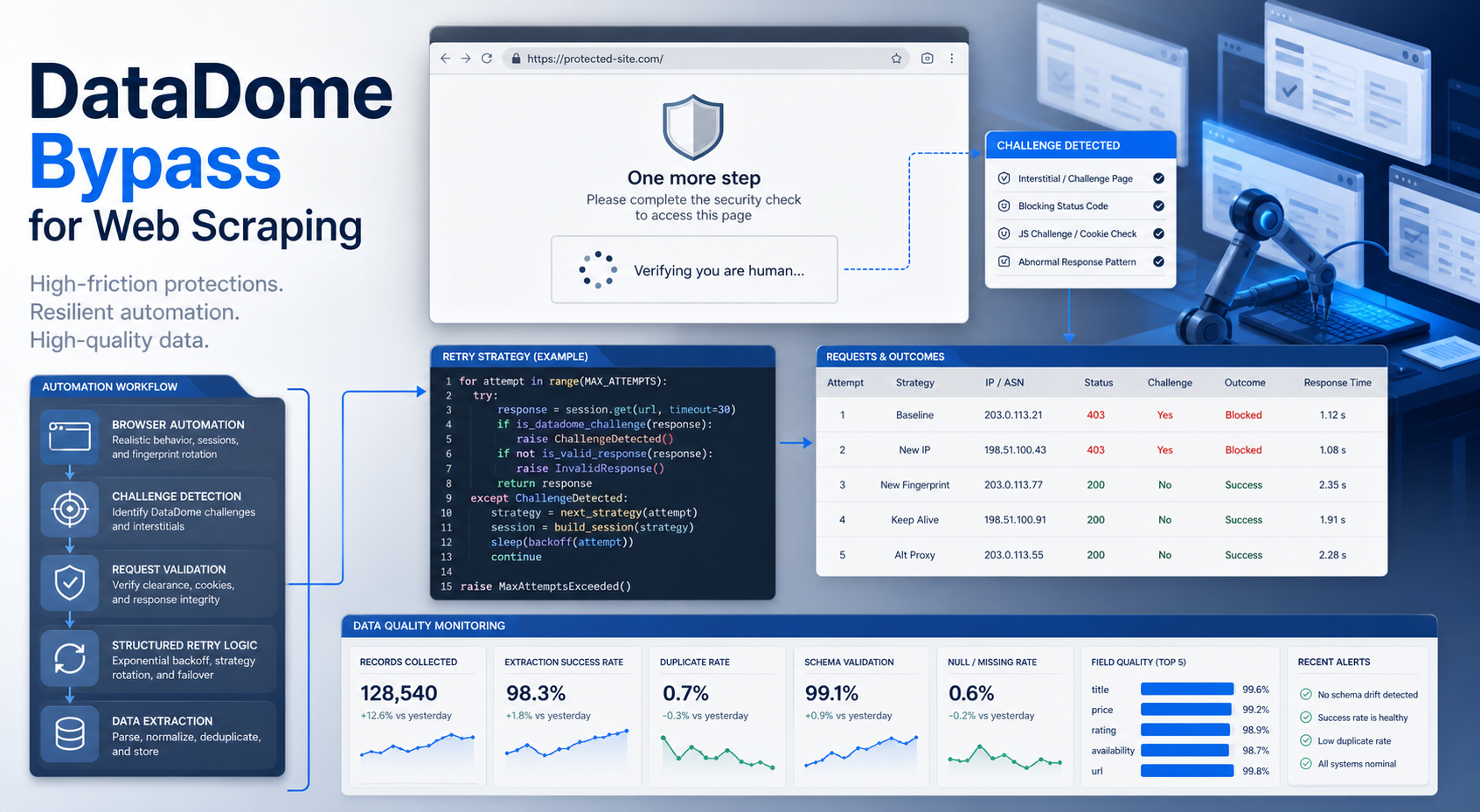
DataDome Bypass for Web Scraping
DataDome Bypass for Web Scraping
View Details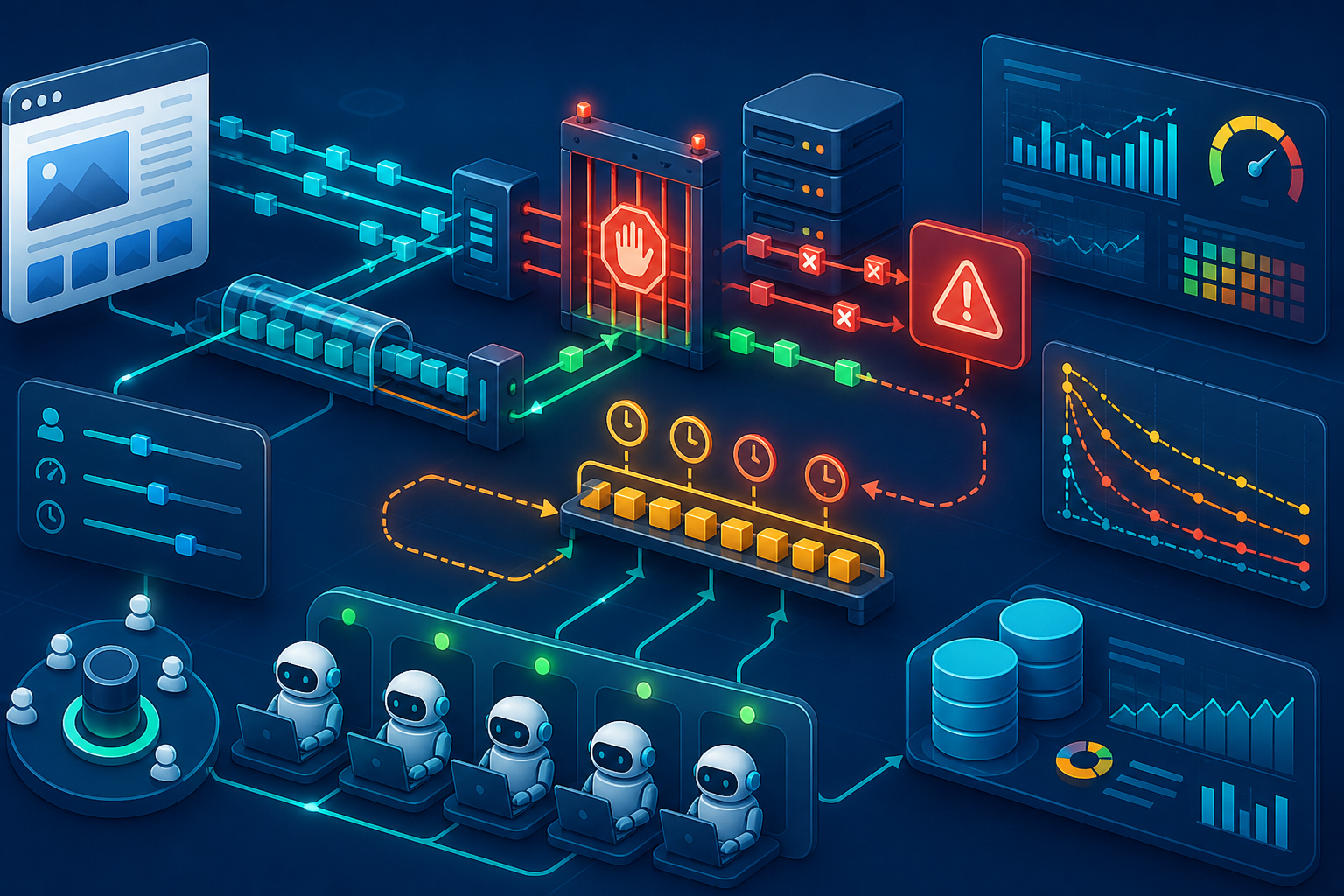
Web Scraping Rate Limiting: How to Handle 429s, Backoff, and Concurrency
Web scraping rate limiting is the engineering discipline of keeping an authorized collection workload inside a target service's acceptable request envelope. When that envelope is exceeded, a server may respond with HTTP 429 Too Many Requests, delay responses, or apply other controls.
View Details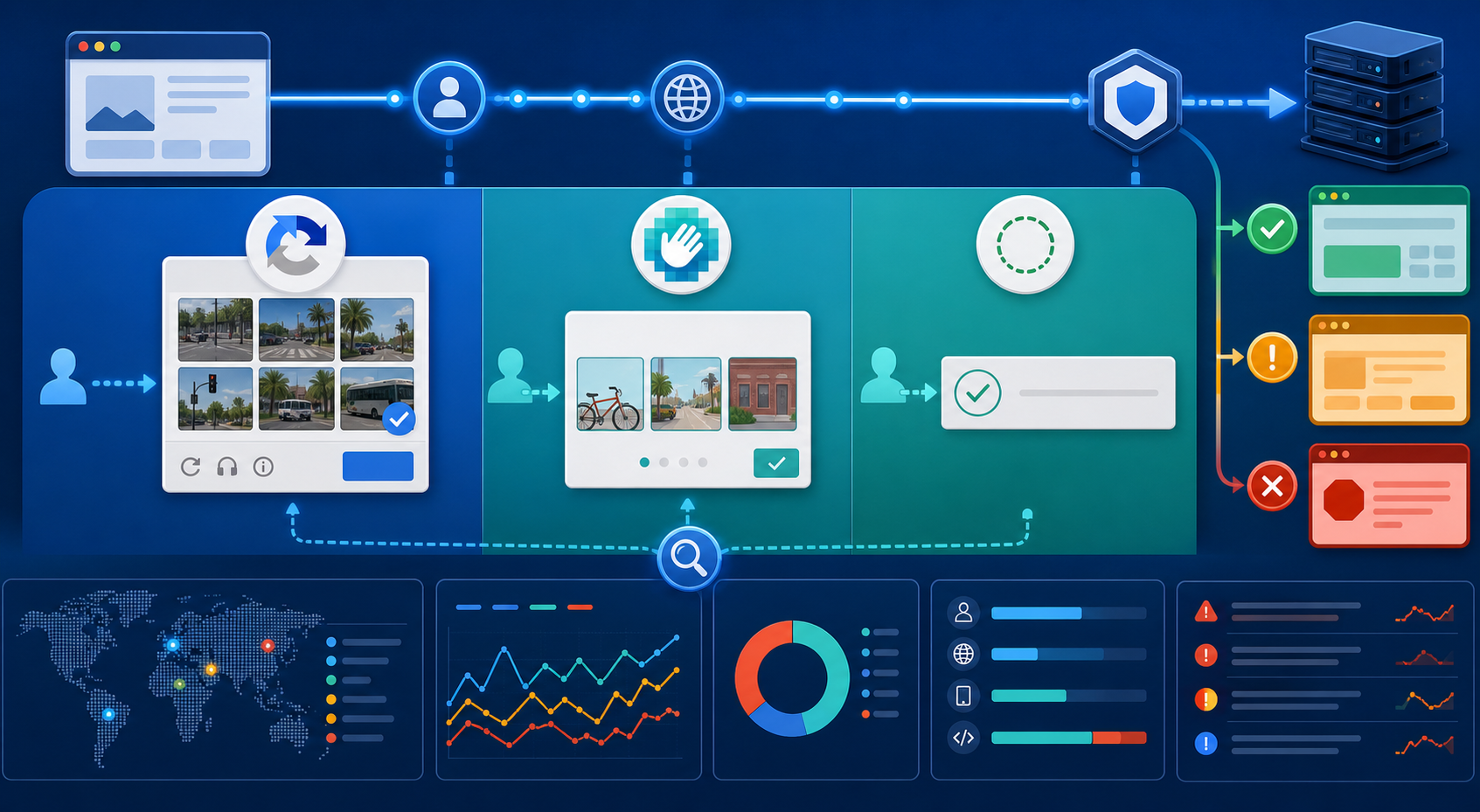
reCAPTCHA vs hCaptcha vs Cloudflare Turnstile: What Scraping Teams Need to Know
If an authorized data-collection workflow suddenly stops at a verification screen, identifying the protection system matters before you change code, browser settings, or proxy infrastructure. reCAPTCHA vs hCaptcha vs Turnstile is not simply a branding comparison. The three systems can expose different browser flows, token models, risk decisions, and failure symptoms.
View Details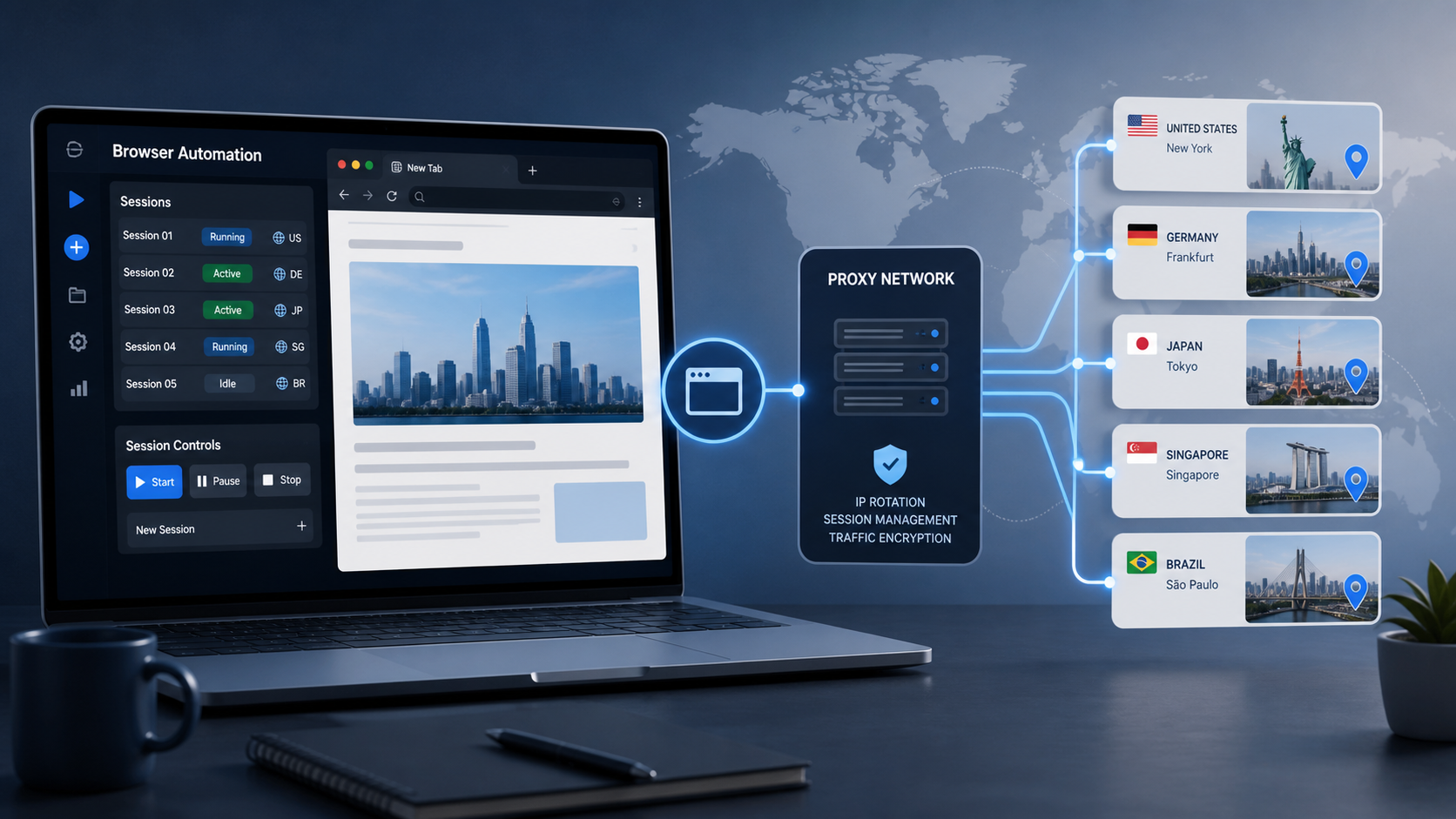
Browser Automation Proxies: IPs, Geo-Targeting, Sessions, and AI Agents
A browser automation proxy belongs to the network layer of Playwright, Selenium, cloud-browser, and AI-agent workflows. It changes how browser traffic is routed and can affect the source IP address, geographic egress, and session continuity seen by a destination site. It does not improve an AI model's reasoning, repair browser logic, or guarantee that a website will accept the session.
View Details
SERP Scraping: Methods, APIs, Workflows, and Best Practices
SERP scraping is the automated collection of information from search engine results pages. A SERP scraper can capture organic rankings, advertisements, featured snippets, People Also Ask questions, local results, shopping listings, images, and other search features, then convert them into structured data for analysis.
View Details