
OpenClaw: Autonomous AI Agent Taking GitHub by Storm
This open-source GitHub project hit 200,000 stars faster than any repository in history, and it runs your workflows even while you sleep.
The developer community has witnessed meteoric rises before, but nothing quite like OpenClaw. Within months of its initial release in late 2025, this autonomous AI agent framework accumulated GitHub stars at a velocity that outstripped veteran projects like Kubernetes and React. But the star count isn't just hype. OpenClaw represents a fundamental architectural shift in how developers and technical operators think about AI automation.
While most of us interact with AI through isolated chat interfaces that passively wait for our prompts, OpenClaw operates on a completely different paradigm: continuous, autonomous, local-first operation across multiple platforms. It is an agent that doesn't just respond to your requests; it anticipates them, executes tasks independently, and orchestrates your digital ecosystem without constant human supervision.
Power OpenClaw with LycheeIP
What Makes OpenClaw Different from Chatbots and AI Wrappers
The Reactive vs. Proactive Divide
To understand OpenClaw's significance in the current AI landscape, you must grasp the fundamental difference between reactive and proactive systems.
Traditional chatbots, even highly sophisticated ones powered by Claude or GPT-4o, operate reactively. You type a prompt, the model generates a response, and the interaction ends until you provide another input. This paradigm works brilliantly for Q&A, content generation, and assisted coding. However, it breaks down entirely when you need continuous, asynchronous operation.
OpenClaw flips this model. It is built on an event-driven architecture where the agent maintains persistent state, monitors multiple input channels simultaneously, and initiates actions based on predefined goals or learned patterns. Think of it as the difference between a search engine that waits for a query versus a highly capable chief of staff who proactively manages your schedule, filters your communications, and handles routine server maintenance without being explicitly asked.
Architecture That Enables Autonomy
The technical implementation reveals why OpenClaw can safely operate autonomously on your own hardware:
- Transparent Markdown Memory: Unlike stateless APIs or platforms hiding behind encrypted databases, OpenClaw maintains a file-based memory system. Context, interaction history, and system goals live as plain-text Markdown files on your local drive, allowing you to audit exactly what the agent "knows" at any given time.
- Goal-Oriented Planning: The agent doesn't just execute single, linear commands. It breaks complex objectives into multi-step plans. Ask it to "prepare for tomorrow's client presentation," and it will independently check your calendar, pull relevant PDF attachments, summarize key metrics, and draft talking points.
- Multi-Modal Perception: OpenClaw processes text, parses structured JSON, interprets system error logs, and monitors webhook events. This broad sensory input allows it to detect trigger conditions across your entire DevOps and communication stack.
- Local Execution & Control Plane: The agent's control plane runs directly on your infrastructure. The decision-making logic executes locally, meaning no third-party cloud service ingests your proprietary data unless you explicitly route it to an external API.
Beyond AI Wrappers
The GitHub ecosystem is currently flooded with "AI tools" that are essentially thin wrappers around large language models—a sleek UI bolted onto a basic automation script. OpenClaw differentiates itself through genuine engineering depth:
- Fully Open Source: The MIT-licensed core allows for unlimited modification.
- Robust "Skill" Ecosystem: Developers have contributed hundreds of YAML-based connectors, allowing the agent to interface with almost any SaaS product.
- Model Agnostic: It seamlessly routes tasks to OpenAI, Anthropic, or locally-run offline models via Ollama.
This isn't a weekend hackathon project. OpenClaw represents thousands of hours of engineering focused on the hard problems of autonomous agent deployment: state management, error recovery, and graceful degradation when upstream APIs fail.
How It Connects to WhatsApp, Slack, Email, Terminal, Browser, and Calendar
Autonomy is useless if the agent cannot interact with the tools your team actually uses. OpenClaw's integration architecture is where theory meets massive practical utility.
Communication Platforms: WhatsApp and Slack
WhatsApp Integration: Using business APIs or local socket connections, OpenClaw monitors conversations, responds based on historical context, and initiates outbound communication.
- Use Case: Customer support automation that confidently resolves tier-1 tickets and instantly escalates complex bugs to human engineers.
- Use Case: Personal message filtering that suppresses noise and only pushes highly urgent pings to your smartwatch.
Slack Integration: Operating via Socket Mode, OpenClaw exists as a workspace member with customizable visibility. It can monitor specific #devops channels for alert patterns, automatically summarize 50-message threads for latecomers, and even coordinate with CI/CD webhooks to report deployment status in natural language.
Email: The Overlooked Productivity Sink
Email integration leverages IMAP/SMTP protocols with secure OAuth authentication. The autonomous agent can:
- Filter and aggressively categorize incoming mail using learned priority weights.
- Extract action items and automatically map them to Jira tickets or calendar events.
- Monitor for specific state-change triggers (e.g., an invoice received, a contract signed) and initiate downstream ERP workflows.
Terminal: Command-Line Autonomy
The terminal integration is both OpenClaw's most powerful feature and its most dangerous. OpenClaw can execute shell commands, manage background processes, and interact directly with CLI tools. Security is strictly managed through:
- Docker-sandboxed execution environments.
- Strict whitelist/blacklist command filtering.
- Manual confirmation requirements (Human-in-the-loop) for any destructive operations like rm or drop.
Developers routinely use this to automate deployment pipelines triggered by code reviews or to build self-healing infrastructure that restarts failed services before a human ever sees a PagerDuty alert.
Browser Automation: The Digital Hands
Using headless browser libraries like Playwright, OpenClaw controls web applications exactly as a human would. By directly parsing and interacting with the Document Object Model (DOM), the agent can:
- Fill forms and migrate data across legacy systems that lack modern REST APIs.
- Conduct complex web scraping and competitive intelligence gathering.
- Perform end-to-end visual QA testing on staging environments.
This browser automation combines with the LLM's reasoning capabilities to handle unexpected UI changes or pop-ups that would instantly break traditional, rigid Selenium scripts.
Calendar: Temporal Awareness
Calendar integration (Google, Outlook, CalDAV) provides OpenClaw with vital temporal context. It understands not just when events occur, but their significance, allowing it to autonomously schedule meetings, decline conflicts, and pre-emptively aggregate necessary documents hours before a critical sync.
The Orchestration Layer
What makes these integrations transformative is how OpenClaw orchestrates them. A single prompt like "Audit our recent AWS bill" triggers cross-platform behavior:
- Terminal executes a script to pull AWS billing CSVs.
- Browser automation logs into the internal analytics dashboard to cross-reference usage.
- The agent drafts a Markdown summary of anomalies.
- Slack integration DMs the engineering lead with the findings.
Power OpenClaw with LycheeIP
The Risks and Benefits of Self-Hosted Autonomous AI Agents
The Compelling Benefits
- Privacy and Data Sovereignty: Self-hosting means your telemetry never leaves your VPC. For healthcare, finance, or defense sectors, this is non-negotiable.
- Cost Economics at Scale: Heavy cloud AI API usage can easily cost power users $500–$2,000 monthly. Running OpenClaw with local open-source weights reduces costs to fixed hardware overhead.
- Zero API Rate Limits: Commercial AI services impose strict tokens-per-minute caps. A self-hosted local agent operates at the absolute speed of your hardware.
The Serious Risks
- Security Vulnerabilities: An agent with access to your terminal, browser, and email is a massive liability if compromised. Threat actors actively target agent frameworks via prompt injection, attempting to trick the LLM into executing malicious shell commands or exfiltrating API keys. Following established frameworks like the OWASP Top 10 for LLM Applications is critical for mitigating these unique attack vectors.
- Resource Requirements: Running modern LLMs locally requires serious silicon. Expect to need at least 16GB of RAM (32GB+ highly recommended) and dedicated GPU acceleration for acceptable inference speeds.
- Runaway Processes: Autonomous agents can enter infinite loops, exhausting server resources or sending hundreds of automated emails if goal-seeking logic breaks down. Aggressive rate-limiting and robust kill switches are mandatory.
The Verdict: When Self-Hosted Autonomous Agents Make Sense
Consider deploying OpenClaw if:
- You handle proprietary code or sensitive data with strict compliance mandates.
- Your daily workflows involve heavy, repetitive cross-platform orchestration.
- You possess the DevOps expertise required to secure and maintain self-hosted infrastructure.
You should probably skip it if:
- You lack the infrastructure for reliable 24/7 hosting.
- Your use cases are simple and already well-served by standard Zapier or Make automations.
- You cannot dedicate engineering time to auditing agent permissions and managing software updates.
LycheeIP (Developer-First Proxy Infrastructure)
When your self-hosted OpenClaw agent begins autonomously scraping public websites for competitor analysis, monitoring global API endpoints, or automating heavy browser tasks via Playwright, it will inevitably encounter restrictive rate limits and IP bans. LycheeIP is a developer-first proxy and data infrastructure provider designed to handle the high-volume routing challenges inherent in autonomous AI workflows. Instead of your corporate IP getting blocked while OpenClaw gathers public data for a morning briefing, you can route its web requests through dynamic IP routing to ensure uninterrupted, ethical data collection. For tasks requiring raw speed and massive throughput, high-performance datacenter proxies provide the necessary bandwidth for your agent to function optimally. If your agent needs to interact securely with your company's staging environments, assigning dedicated static IPs ensures reliable, allowlisted access. Integrating a robust developer-first proxy infrastructure directly into your agent's networking configuration ensures that your automation pipelines remain resilient, allowing LycheeIP to handle the network complexity while your AI works 24/7 without geographic disruption.
The Future of Autonomous AI Agents
OpenClaw's unprecedented GitHub ascent signals broader market readiness for true autonomy. We are rapidly transitioning from AI as a static tool to AI as an active, persistent colleague.
The next evolution will almost certainly feature multi-agent systems, specialized "worker" agents collaborating under a "manager" agent to execute highly complex, multi-week objectives. As these systems scale, we will see improved safety guardrails, easier local deployment options, and eventually, concrete legal frameworks regarding agent liability.
For developers willing to navigate the friction of setup and maintenance today, OpenClaw offers a tangible preview of the next decade of software engineering. The 200,000 GitHub stars aren't merely a metric of popularity; they represent a collective realization that the paradigm shift from reactive prompting to proactive delegation is already underway.
Power OpenClaw with LycheeIP
Frequently Asked Questions
Q: What's the difference between OpenClaw and ChatGPT?
A: ChatGPT is a reactive chatbot; it waits for your input and stops working the moment it generates a response. OpenClaw is a proactive, autonomous agent that runs in the background. It monitors your digital environment (emails, Slack, GitHub), initiates tasks independently based on broad goals, and works continuously.
Q: Is OpenClaw safe to give access to my email and messages?
A: It can be, but it requires strict configuration. Because you self-host it, your data isn't siphoned off to third-party training servers, providing excellent baseline privacy. However, you must implement strong access controls, use Docker sandboxing for terminal commands, and follow the principle of least privilege. Always require human approval for high-stakes actions like sending external emails or deleting files.
Q: What hardware do I need to run OpenClaw?
A: If you are connecting OpenClaw to cloud APIs (like OpenAI or Anthropic) for its reasoning engine, it runs efficiently on standard hardware (8GB RAM). However, if you want full privacy by running the LLMs locally, you will need at least 16GB-32GB of RAM and ideally a modern GPU (like an NVIDIA RTX 3060 or an Apple M-series chip) to ensure the agent "thinks" fast enough to be useful.
Q: Can OpenClaw really work autonomously, or does it need constant supervision?
A: It operates fully autonomously for well-defined, routine workflows (e.g., sorting emails, monitoring error logs, updating Jira). However, for complex or ambiguous situations, it is designed to ping you for clarification. Best practice dictates setting up "human-in-the-loop" approval gates for any action that carries financial or reputational risk.
Q: How much does it cost to run OpenClaw compared to using AI services like ChatGPT Plus?
A: For light use, a $20/month commercial subscription is cheaper. But for heavy, 24/7 automated usage, API costs for managed services can easily exceed $1,000/month. In those scenarios, self-hosting OpenClaw with local models costs only the fixed price of your hardware and electricity, yielding massive ROI for power users.

Recommended Articles
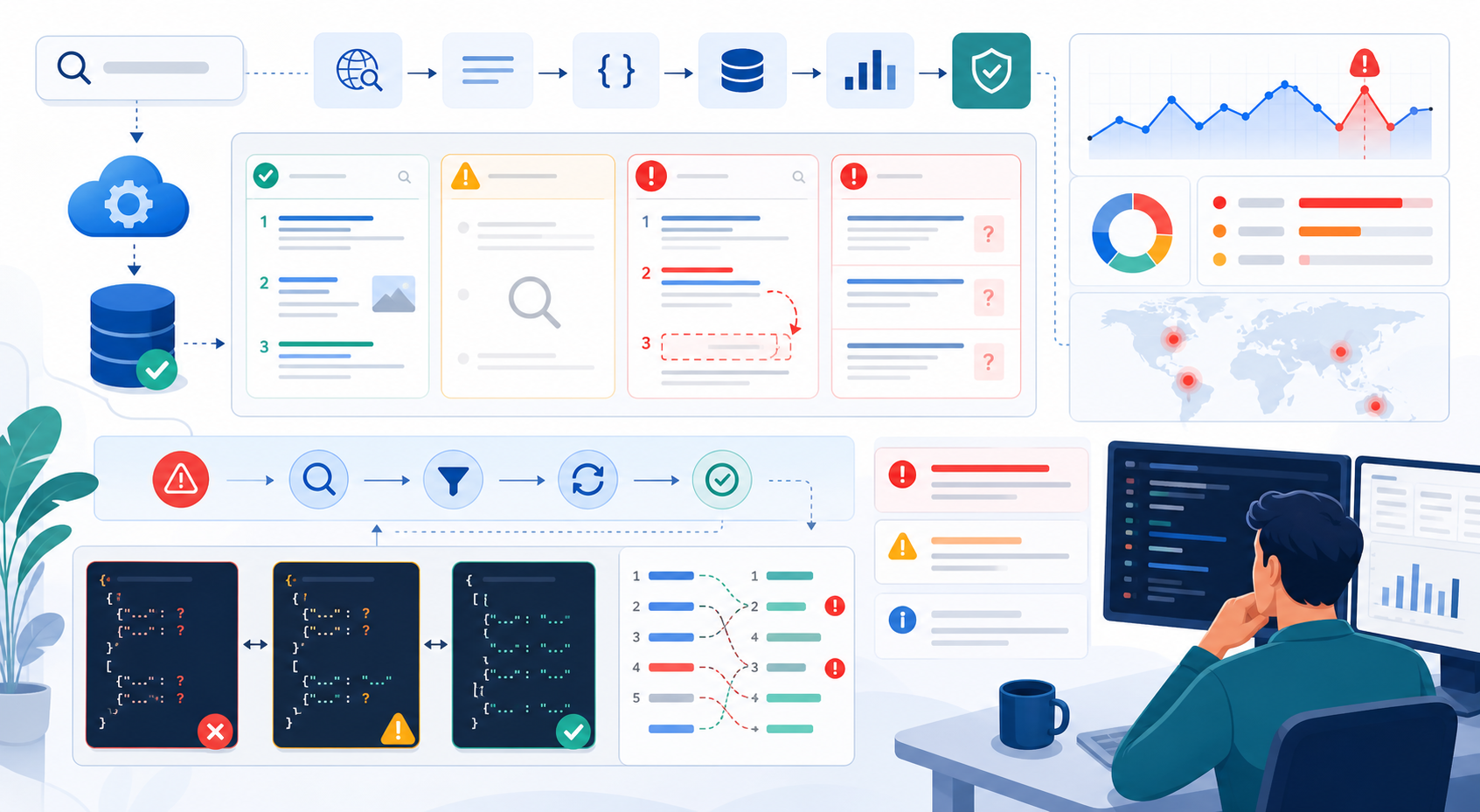
SERP API Troubleshooting: Fix Empty, Wrong, or Inconsistent Search Results
SERP API failures are not limited to obvious HTTP errors. A request can return successfully and still produce empty, incomplete, geographically wrong, duplicated, or misinterpreted search data. Production troubleshooting therefore has to separate transport problems from provider processing, SERP differences, and downstream parsing errors.
View Details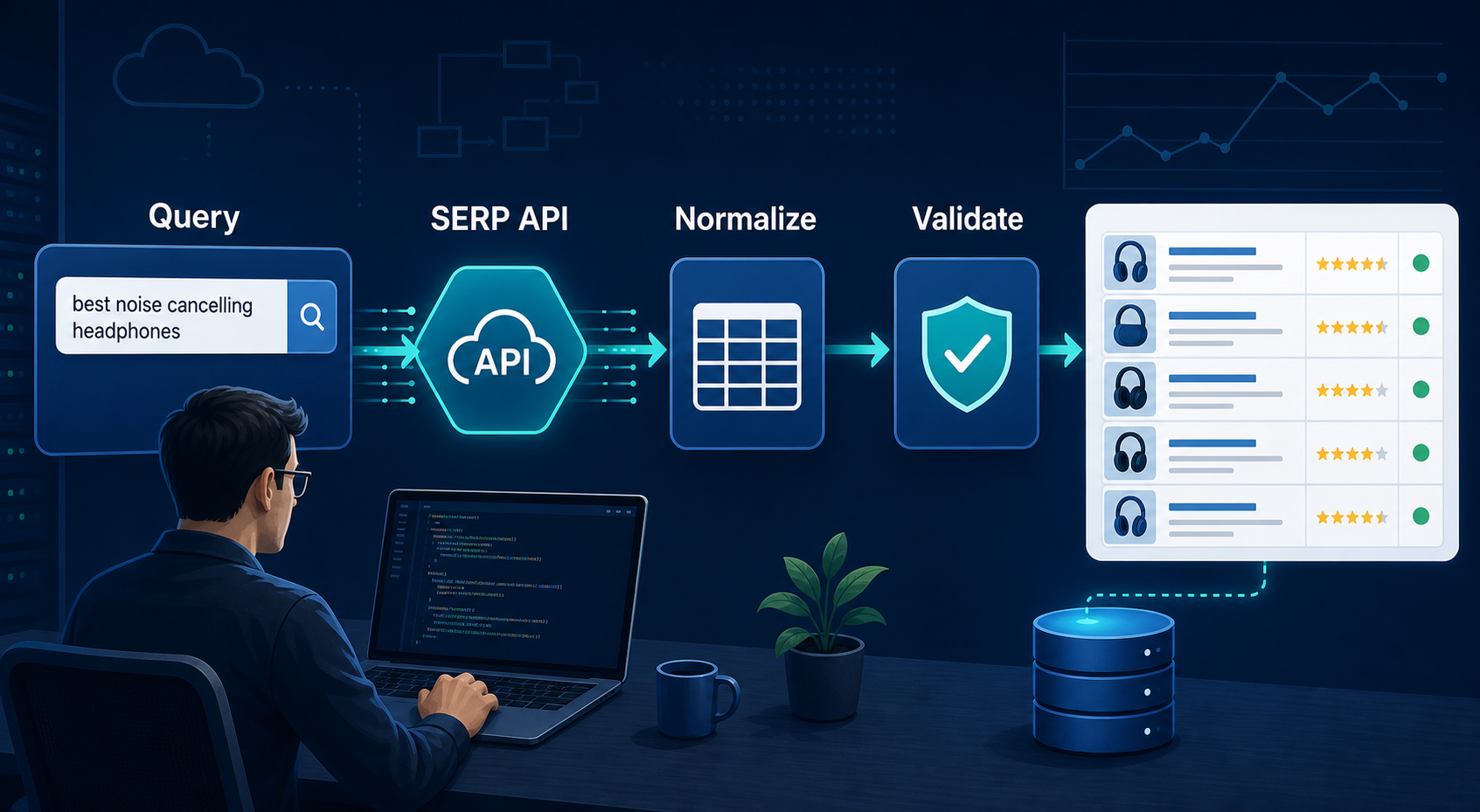
SERP API Python: How to Build a Reliable Search Data Pipeline
This guide shows a provider-neutral workflow for building that pipeline. It does not rank SERP API vendors. Instead, it focuses on the implementation choices that make a Python integration easier to operate, test, and migrate.
View Details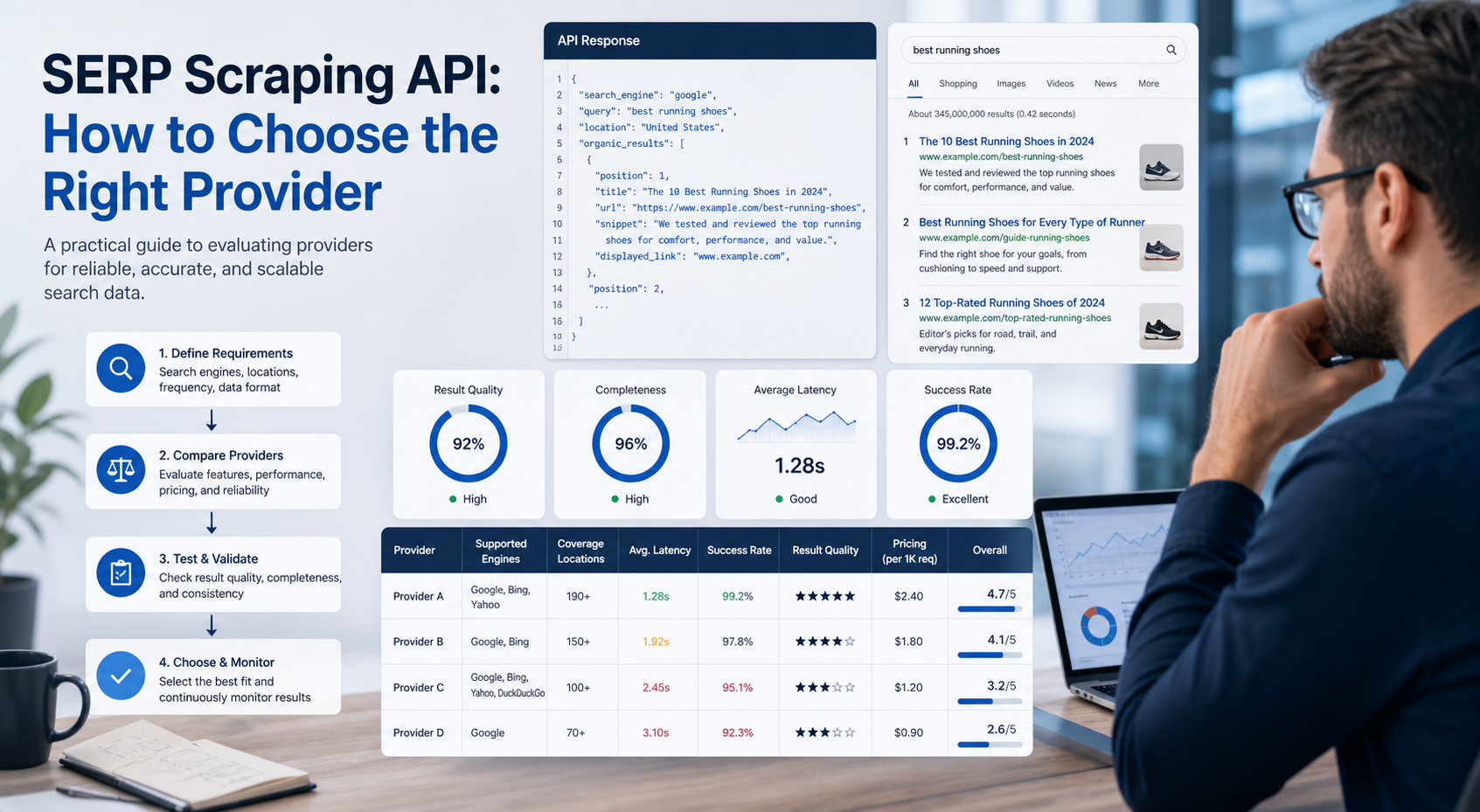
SERP Scraping API: How to Choose the Right Provider
Recommended Meta Description: Compare SERP scraping APIs by data coverage, localization, reliability, workflow fit, and cost structure, then choose and validate the right provider.
View Details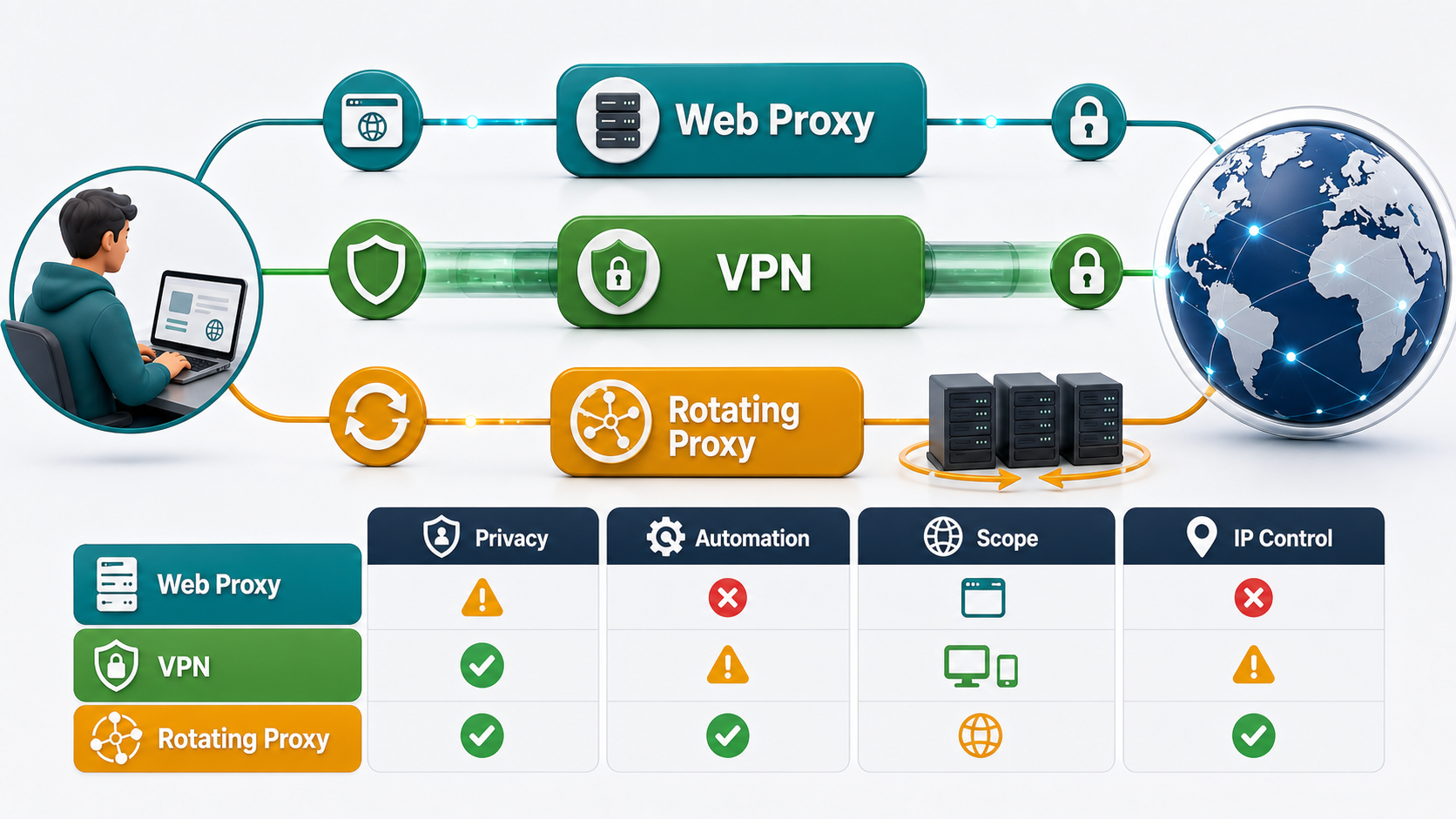
Free Web Proxy vs VPN vs Rotating Proxy: Which Should You Use?
Compare free web proxies, VPNs, rotating proxies, static proxies, and datacenter proxies by scope, encryption, IP control, automation, streaming, and account workflows.
View Details
BlockAway Not Working? Fix Common Proxy, Video, and Access Problems
Troubleshoot BlockAway when pages are blocked, YouTube fails, JavaScript breaks, speed drops, sessions expire, or mobile access behaves differently.
View Details