
GitHub Trending: Weekly Open Source Roundup
The open-source ecosystem moves at breakneck speed. Every week, hundreds of new repositories emerge, compete for developer attention, and often disappear back into obscurity just as quickly. For developers and technical operators trying to stay current, this sheer volume creates a paradox: the more projects there are, the harder it becomes to discover the genuinely innovative tools worth adopting.
This weekly roundup cuts through the noise. We are highlighting 32 trending repositories that captured the developer community's attention this week, breaking down why they are gaining traction and how to evaluate if they belong in your tech stack.
Test globally with LycheeIP
Standout Projects Breaking Through
While dozens of projects made the trending list, three specific repositories stand out for solving distinct, universal developer pain points with elegant architectural approaches.
Droidclaw: Rethinking Mobile Gestures
Droidclaw has emerged as this week's dark horse, gaining significant traction in the Android development space. This framework simplifies complex gesture recognition and touch interaction patterns, addressing a notoriously frustrating aspect of mobile development.
What makes Droidclaw notable isn't just its core functionality, but its thoughtful API design that feels intuitive upon first integration. The project includes a comprehensive suite of examples demonstrating real-world use cases, ranging from fluid swipe-to-delete patterns to complex, multi-touch canvas interactions.
Micasa: The Local-First Automation Alternative
Micasa takes a contrarian approach to the increasingly crowded home automation space. Rather than building yet another cloud-tethered platform, this lightweight alternative strictly prioritizes privacy and a local-first architecture.
It runs entirely on your local network without external cloud dependencies, appealing strongly to developers tired of vendor lock-in and telemetry concerns. Furthermore, its modular plugin system allows you to integrate only the specific protocols you need, keeping the overall software footprint minimal and highly secure.
Surge: Next-Generation Network Debugging
Surge addresses network debugging with a fresh perspective. As an HTTP/HTTPS proxy and traffic analyzer, it bridges the gap between the power of heavy enterprise tools and the accessibility of standard browser DevTools.
Surge is generating major buzz due to its rule-based request modification system. Developers can mock APIs, simulate adverse network conditions, and manipulate responses on the fly without ever touching their application code. To understand the underlying mechanics of tools like this, the MDN Web Docs on HTTP Proxying and Tunneling provide an excellent foundation. Surge's clean UI and seamless cross-platform support make it a standout utility for frontend and API developers alike.
Emerging Trends in This Week's Repositories
Analyzing the broader landscape of the top 32 trending projects reveals several clear, macro-level patterns shaping open-source software right now.
- AI-Enhanced Developer Tools: Beyond generic chatbot wrappers, we are seeing sophisticated projects deeply integrating language models into existing workflows. Tools for automated PR reviews, context-aware architectural refactoring, and intelligent documentation generation represent a true maturation of AI tooling. The market clearly favors tools that augment developers rather than attempt to replace them.
- Local-First Software: Projects prioritizing offline functionality, strict data ownership, and peer-to-peer data synchronization are aggressively challenging the cloud-first paradigm. This trend reflects a growing technical unease with centralized platforms and a recognition of the latency benefits of local execution.
- Developer Experience (DX) Infrastructure: Build tools, testing frameworks, and environment managers are shifting their focus from raw feature sets to onboarding friction and configuration simplicity. Projects that provide sensible defaults and "just work" out of the box are being heavily rewarded with stars and forks.
- Cross-Platform Consistency: Whether it's UI frameworks, Rust-based CLI tools, or system utilities, developers are building with multi-platform support (macOS, Linux, Windows) from day one. The era of platform-specific silos is rapidly giving way to universal compilation targets.
Test globally with LycheeIP
How to Evaluate Which Projects Are Worth Adopting
GitHub stars and a "trending" badge do not automatically translate to production-readiness or long-term viability. When assessing a new open-source tool, use this evaluation framework to separate signal from noise:
1. Community Health Indicators
Commit frequency is your best predictor of longevity. Regular, sustained activity over months is far better than a one-week burst of commits. Look closely at issue response times and the ratio of open to closed pull requests. Projects with engaged maintainers who interact constructively with external contributors are much more likely to survive the year.
2. Documentation Quality
Documentation reveals a maintainer's true commitment to user adoption. Comprehensive README files, clear API references, and working usage examples indicate professional stewardship. If a project cannot clearly explain what it does or how to run it locally, consider it a massive red flag.
3. Dependency Footprint
A massive dependency tree for simple functionality introduces unnecessary supply chain risks. Projects with minimal, tightly controlled dependencies reduce your exposure to compatibility headaches and security flaws. Before adopting a tool, cross-reference its dependencies with established security guidelines, such as the OWASP framework for Vulnerable and Outdated Components, to ensure you aren't importing known risks.
4. Problem-Solution Fit
The most popular project isn't always the right one for your specific use case. Ask yourself: Does this solve a problem my team actually has? Does it integrate naturally with our existing CI/CD stack? If the maintainer abandons the project tomorrow, does our team have the language expertise to fork and maintain it?
5. Licensing and Governance
Verify that the project's license (e.g., MIT, Apache 2.0, GPL) is legally compatible with your company's software distribution model. For critical infrastructure dependencies, prioritize projects backed by recognized foundations or established tech organizations over single-maintainer side projects.
LycheeIP (Developer-First Proxy Infrastructure)
When testing newly adopted open-source networking tools like Surge, or when building custom web scrapers to ethically aggregate public repository data, having reliable network routing is non-negotiable. LycheeIP is a developer-first proxy and data infrastructure provider designed to handle complex, high-volume network requests without disruption. Engineering teams frequently leverage our network for QA testing APIs across different geographical regions, validating localization features, and conducting authorized security audits. By routing requests through our dynamic IP routing networks, teams can simulate global user traffic accurately. For tasks requiring raw speed and throughput, such as fetching large public datasets for machine learning pipelines, high-performance datacenter proxies provide the necessary bandwidth. Alternatively, if your team needs to whitelist specific endpoints for secure, consistent CI/CD pipeline testing, deploying dedicated static IPs ensures uninterrupted access. Integrating LycheeIP's global network allows technical operators to focus on building and evaluating software rather than troubleshooting arbitrary IP blocks and rate limits.
Your Next Steps
Trending lists are starting points, not directives. We highly recommend browsing the full list of this week's 32 projects, starring the ones that align with your current tech stack, and actually cloning a few locally. Read the source code. Run the integration tests. Open a legitimate issue or submit a helpful pull request.
The open-source ecosystem thrives on active participation, not passive consumption. This week's trending projects represent thousands of hours of unpaid labor from developers actively solving real engineering problems. Engage with their work, learn from their architectural choices, and contribute back when you have the capacity.
Use the evaluation criteria above to make informed decisions, and remember: sometimes the most valuable project for your team is the quiet, well-maintained utility, not the one generating the loudest hype.
Test globally with LycheeIP
Frequently Asked Questions
Q: Do GitHub stars accurately reflect a project's quality?
A: Not always. Stars are a metric of popularity and visibility, not a guarantee of code quality, active maintenance, or production-readiness. A project might trend due to a viral social media post or by solving a highly specific, timely pain point. Always evaluate the documentation, commit history, issue triage habits, and raw code quality before adopting a project into your main branch.
Q: How can I tell if a trending project will be maintained long-term?
A: Look for consistent, steady commit patterns spread over several months. Check for multiple active contributors (reducing the "bus factor" of a single maintainer), a published roadmap, and ideally, financial backing from an organization or a grant program. Projects with formal governance models and clear contribution guidelines generally have much better longevity.
Q: Should I adopt trending projects immediately for production use?
A: Generally, no. Rapidly trending projects are often in their infancy and may contain undiscovered bugs, breaking API changes, or incomplete test coverage. The best approach is to implement them in side projects or staging environments first. Wait for a stable v1.0 release and observe broader community adoption before relying on them for mission-critical production workloads.
Q: What's the best way to keep up with GitHub trending projects weekly?
A: You can use GitHub's native trending page (filtered by your preferred languages), subscribe to curated developer newsletters, or utilize RSS feeds. Many developers also build automated internal tools that scrape trending lists and post summaries directly to their team's Slack or Discord channels to spark architectural discussions.

Recommended Articles
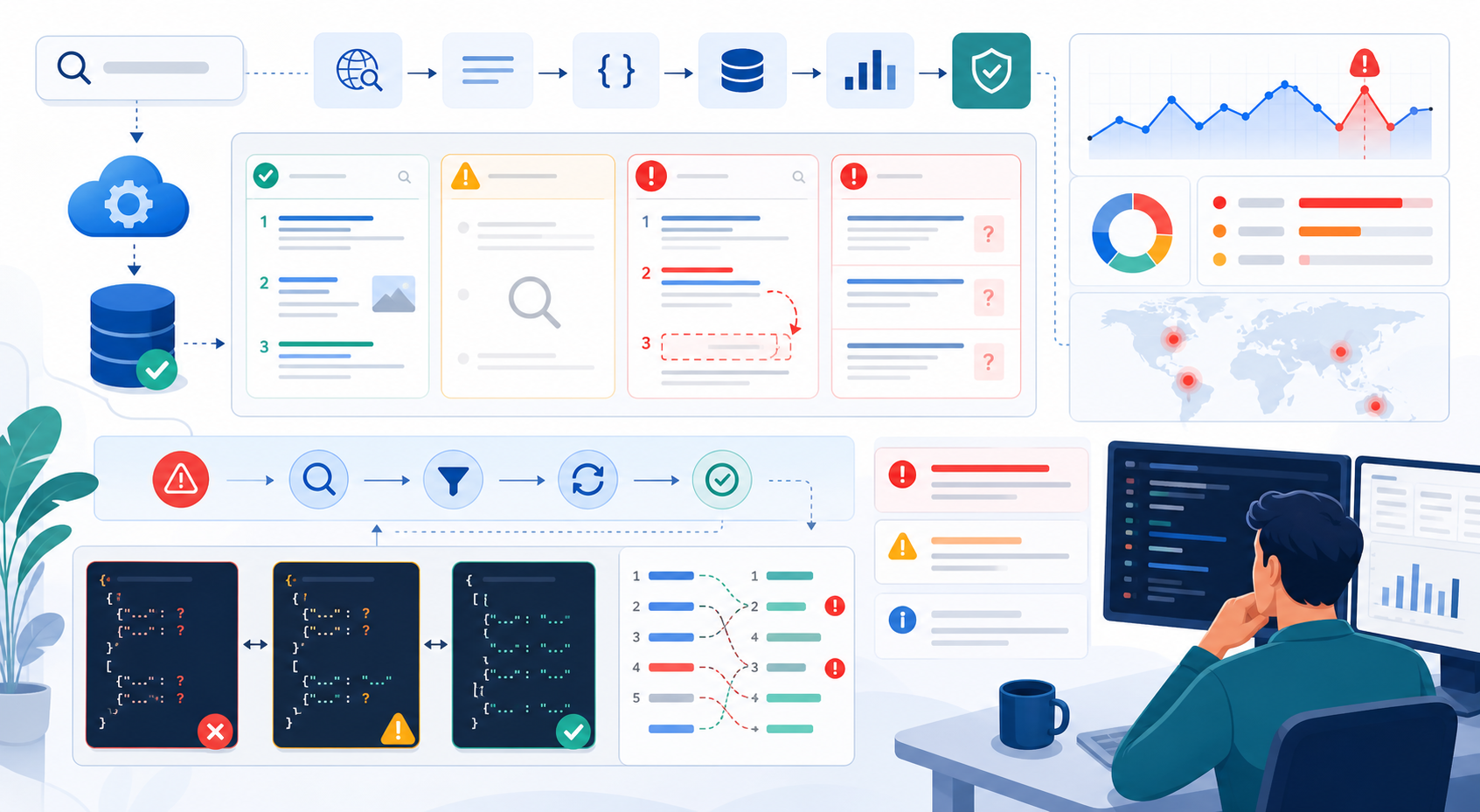
SERP API Troubleshooting: Fix Empty, Wrong, or Inconsistent Search Results
SERP API failures are not limited to obvious HTTP errors. A request can return successfully and still produce empty, incomplete, geographically wrong, duplicated, or misinterpreted search data. Production troubleshooting therefore has to separate transport problems from provider processing, SERP differences, and downstream parsing errors.
View Details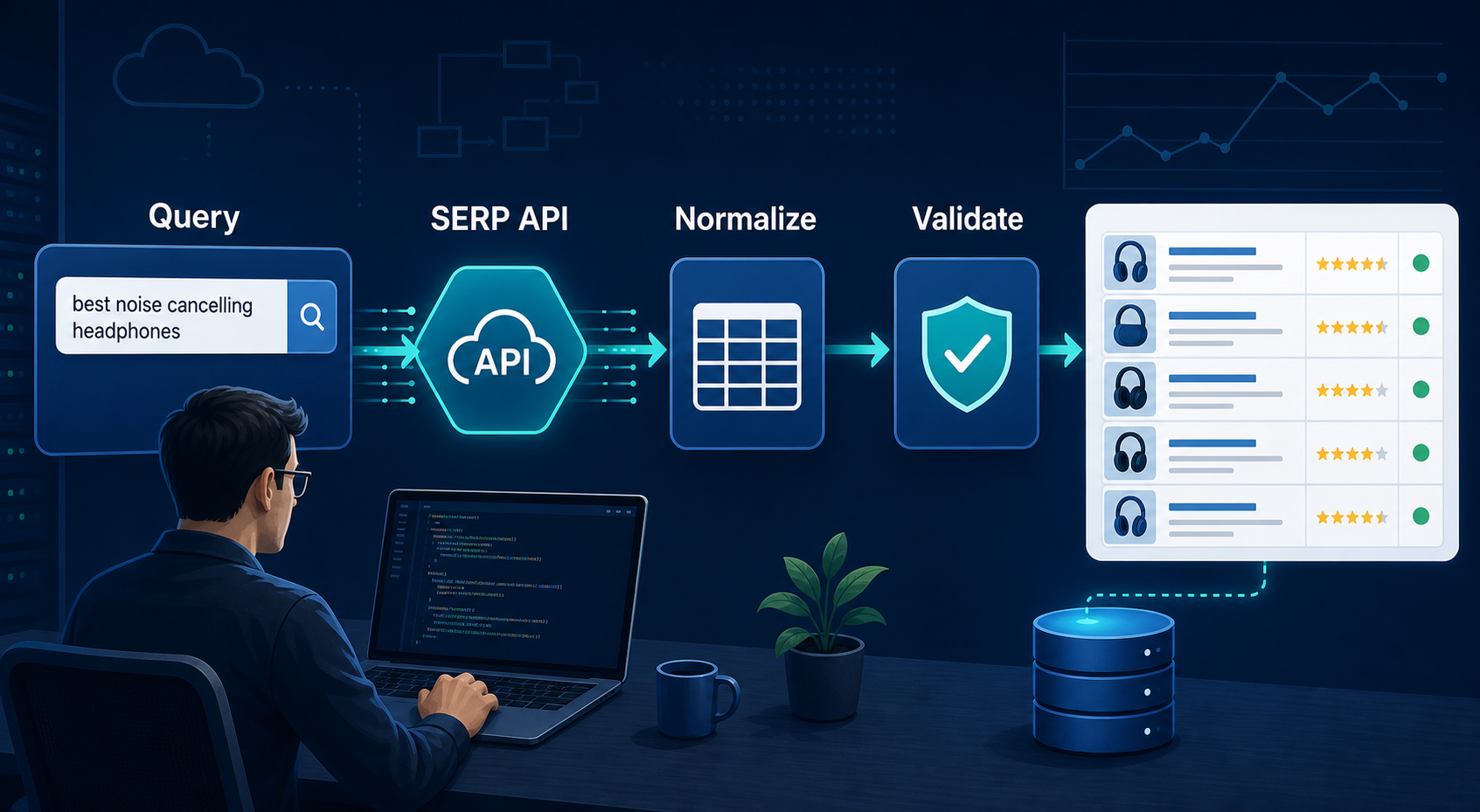
SERP API Python: How to Build a Reliable Search Data Pipeline
This guide shows a provider-neutral workflow for building that pipeline. It does not rank SERP API vendors. Instead, it focuses on the implementation choices that make a Python integration easier to operate, test, and migrate.
View Details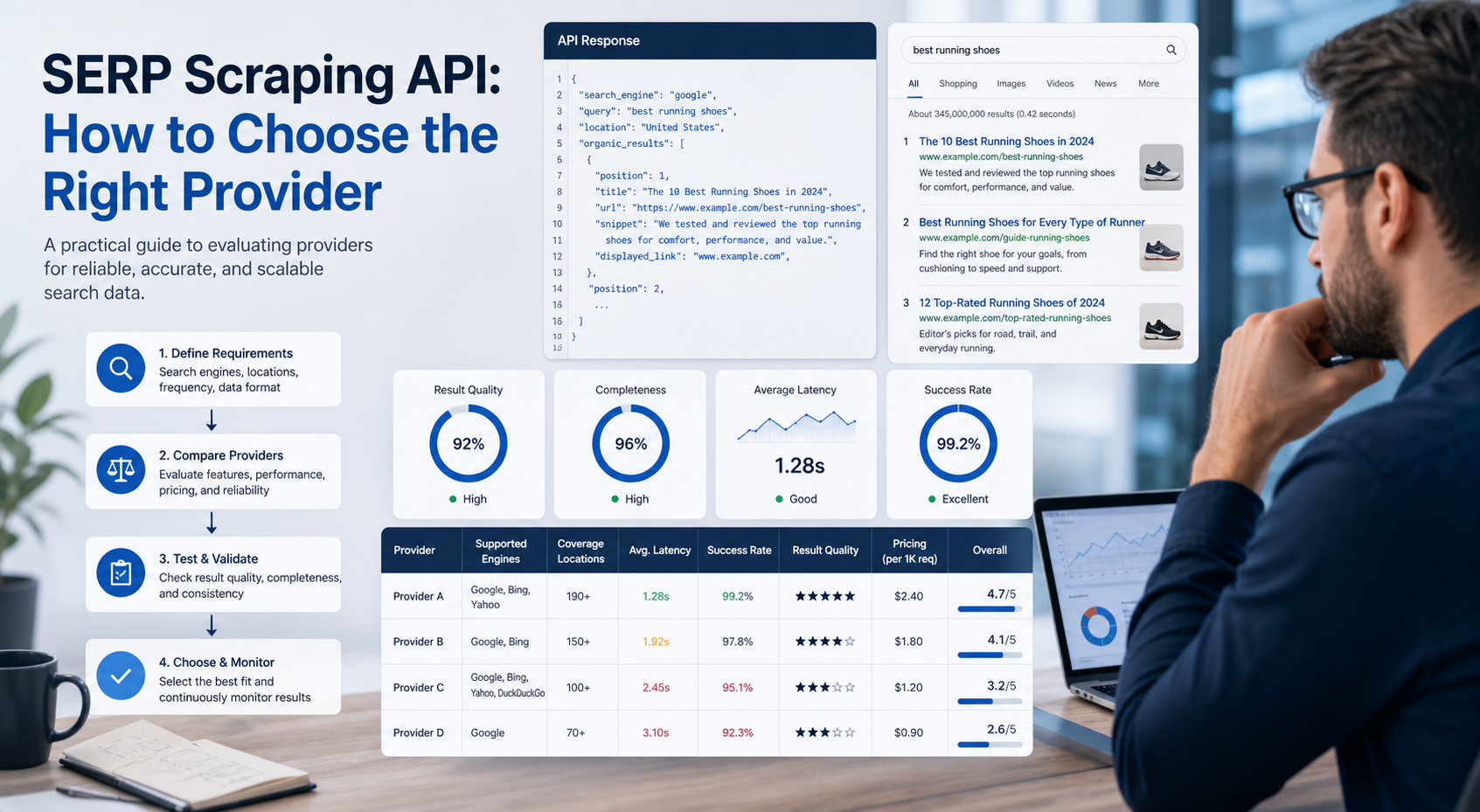
SERP Scraping API: How to Choose the Right Provider
Recommended Meta Description: Compare SERP scraping APIs by data coverage, localization, reliability, workflow fit, and cost structure, then choose and validate the right provider.
View Details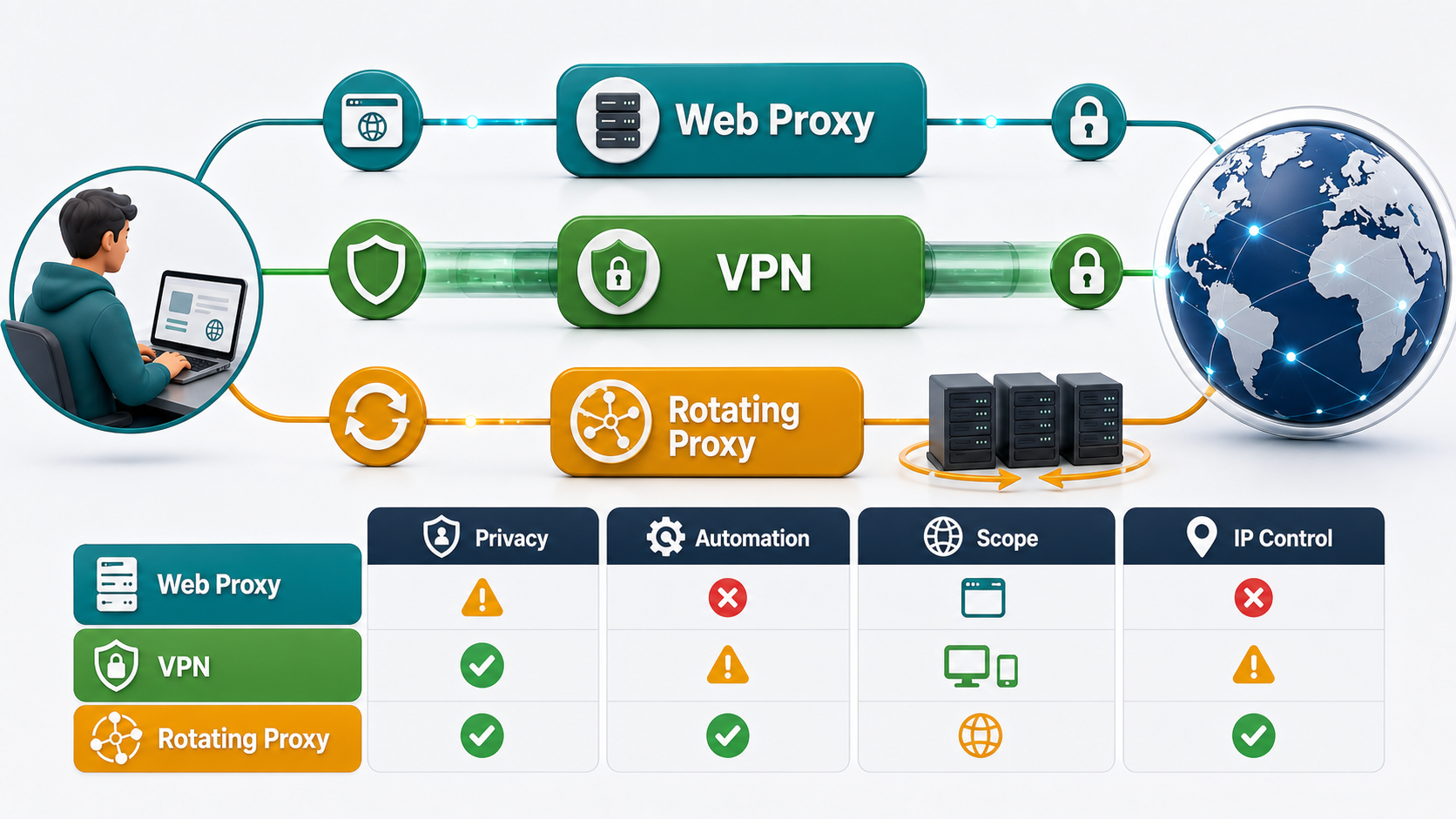
Free Web Proxy vs VPN vs Rotating Proxy: Which Should You Use?
Compare free web proxies, VPNs, rotating proxies, static proxies, and datacenter proxies by scope, encryption, IP control, automation, streaming, and account workflows.
View Details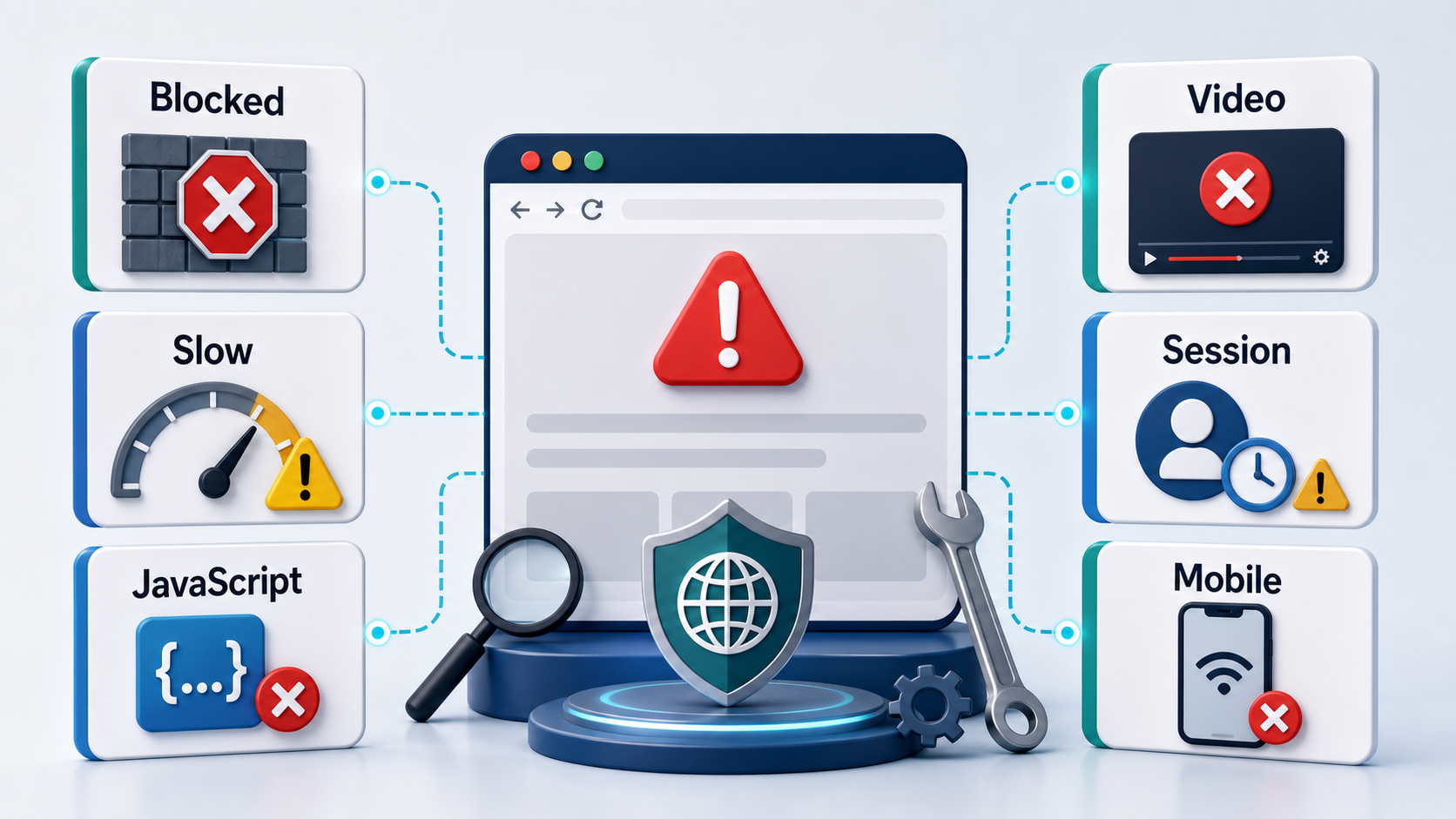
BlockAway Not Working? Fix Common Proxy, Video, and Access Problems
Troubleshoot BlockAway when pages are blocked, YouTube fails, JavaScript breaks, speed drops, sessions expire, or mobile access behaves differently.
View Details