
Can Your Employer Tell If You Are Using a Proxy Site
Can My Employer See If I Used a Proxy Site? What Logs Reveal About Web Proxies and VPNs
The short answer is yes. In almost all corporate environments, your employer can see if you used a proxy site. While a web proxy or VPN might hide the content of the blocked website you are visiting, the act of connecting to the proxy itself is highly visible in network logs.
Many employees mistakenly believe that "Incognito Mode" or a simple website unblocker makes them invisible. This guide breaks down exactly what IT teams see and why trying to bypass restrictions on a managed device is a privacy risk.
Switch to LycheeIP for secure proxies
What can an employer see when you browse on a work network?
To understand what is visible, you must distinguish between the network (the Wi-Fi/cables) and the endpoint (your laptop/phone).
Network logs vs endpoint logs
Network logs record every connection leaving the building. Even if traffic is encrypted, the firewall logs the destination IP address, the time, and the amount of data transferred.
Endpoint logs are generated by your device itself. If your company uses "bossware" or Mobile Device Management (MDM) software, they can potentially see open browser tabs, installed extensions, and even take screenshots, regardless of encryption.
The difference between visibility and content inspection
· Visibility: IT knows you connected to 192.168.1.1 (a proxy server) for 2 hours.
· Inspection: If the company uses "SSL Inspection" (breaking the encryption), they can see exactly what you searched for and what pages you loaded inside that proxy tunnel.
Which signals typically reveal web proxy or browser unblocker usage?
Security teams do not need to read your screen to know you are using a proxy to unblock websites. The traffic patterns are distinct.
Proxy domain patterns, unusual TLS destinations
Most free website unblocker sites (like croxyproxy or proxyium) are well-known and categorized by security vendors. When you visit these domains, the firewall flags the request immediately as "Anonymizer" or "Proxy Avoidance."
DNS logging and categorization hits
When you type a URL, your browser asks a DNS server where that site is. Companies log these requests. If your logs show a request for a known browser unblocker or a random string of numbers, it raises a red flag. Even if you use a "private" extension, the initial DNS lookup often leaks.
Switch to LycheeIP for secure proxies
How does a VPN unblocked connection change what is visible?
A VPN unblocked connection hides the specific websites you visit, but it makes the tunnel obvious.
What gets hidden (and what does not)
· Hidden: The specific URLs (e.g., YouTube, Facebook) inside the tunnel.
· Visible: A constant, high-bandwidth connection to a single IP address (the VPN server) that lasts for hours.
· Visible: The protocol headers (OpenVPN, WireGuard) which identify the traffic as VPN usage.
Why endpoint agents still matter
Even if the network can't see inside the VPN, the software agent on your laptop knows you launched the VPN application. It can log "User started NordVPN.exe" and alert the admin immediately.
When do managed devices override “private browsing” entirely?
If you are using a company-issued laptop, you should assume zero privacy.
Device management policies and installed certificates
Corporations often install a Root Certificate on managed devices. This allows their security appliance to act as a "Man-in-the-Middle," decrypting HTTPS traffic before it reaches your browser. In this scenario, even visiting a secure banking site or a web proxy is fully visible to the employer in plain text.
Audit trails and acceptable use agreements
Most employment contracts include an "Acceptable Use Policy" (AUP) that grants the employer the right to monitor all activity on company assets. Bypassing a filter is often explicitly listed as a violation of this policy.
Which behaviors trigger alerts even if your intent is harmless?
You don't have to be doing something malicious to get flagged.
Repeated blocks, odd ports, rapid retries
If you try to access blocked websites 50 times in a minute, the firewall logs a massive spike in "Access Denied" events. This "noise" draws attention to your workstation.
Proxy-to-unblock websites patterns security teams look for
Security Operations Centers (SOCs) look for "tunneling" behavior, long-duration connections to uncategorized IP addresses on non-standard ports (like 8080 or 8443). Using a proxy to unblock websites fits this pattern perfectly.
Switch to LycheeIP for secure proxies
What is the safest way to handle blocked websites at work?
If you need to access a site for legitimate work purposes, do not hide it.
Ask for allowlisting and category correction
Simply ask IT. "I need access to example.com for market research" is a valid request. Most admins are happy to unblock legitimate sites; they only block them to prevent malware or bandwidth waste.
Use approved tools and document business need
If your job requires accessing blocked content (e.g., a marketing manager verifying ads in different countries), request a dedicated, approved tool.
How LycheeIP fits
For teams that need legitimate, non-monitored access for business tasks (like scraping competitor data or ad verification), using a free proxy is professional suicide. LycheeIP offers an enterprise-grade solution that IT teams can approve.
· Transparent Usage: Admins can audit LycheeIP usage via dashboard, ensuring compliance.
· Secure Infrastructure: 100% exclusive IP pools eliminate the risk of "bad neighbor" traffic associated with public proxies.
· No Ad Injection: Unlike free unblockers, LycheeIP provides a clean, secure connection suitable for business data transfer.
What should you do if privacy is your main concern?
If you are checking personal email or health information, do not use work resources.
Separate personal browsing from work environments
The "Air Gap" rule: Use your work device for work, and your personal phone for everything else.
Personal device + personal network basics (policy-first)
The only way to be 100% sure your employer cannot see your traffic is to use:
1. Your Personal Device (not managed).
2. Your Personal Data Connection (Cellular/4G/5G, not company Wi-Fi).
When should you avoid the unblocker entirely?
Regulated industries and sensitive environments
If you work in healthcare (HIPAA), finance (SOX/PCI), or government, installing a browser unblocker can be a fireable offense or even a legal violation. These environments require strict data custody chains.
High-risk scenarios (accounts, credentials, confidential data)
Never route company login credentials or proprietary code through a free website unblocker. You are essentially handing your company's secrets to an unknown third party.
Visual: The Visibility Matrix
| Scenario | Network Admin Sees | Endpoint Admin (Bossware) Sees |
| Normal Browsing | Domains, URLs (if HTTP), Time | Open Tabs, Screenshots |
| Incognito Mode | Domains, URLs (if HTTP), Time | Open Tabs, Screenshots |
| Web Proxy | Connection to Proxy URL | Screen showing the blocked site |
| Personal VPN | Encrypted Tunnel (Data hidden) | "VPN App Launched" Event |
| Personal Phone (4G) | Nothing | Nothing |
Troubleshooting: Am I Being Monitored?
· Check Certificates: In Chrome, click the padlock icon > Connection is secure > Certificate is valid. If the "Issued By" says your company name instead of a public CA (like DigiCert or Let's Encrypt), they are inspecting your traffic.
· Check Installed Profiles: On iOS/Android managed devices, check Settings > General > VPN & Device Management. If a profile exists, they have control.
· Slow HTTPS: If secure sites load noticeably slower than usual, it may be due to the latency of the decryption/inspection appliance.
Switch to LycheeIP for secure proxies
Frequently Asked Questions
Q1: Can my employer see what I browse on Wi-Fi if I use my phone?
If you connect your personal phone to the company Wi-Fi, yes, they can see the domains you visit. They cannot see inside the apps (if encrypted), but they know you are using Instagram or Tinder.
Q2: Does deleting browser history hide it from my employer?
No. Deleting history only removes the record from your device. The network firewall logs are stored on a server you cannot access.
Q3: Can a website unblocker hide my location from my boss?
It hides your location from the website you visit, but it does not hide your location from your employer. They know exactly where you are plugged in or logged in.
Q4: Is it legal for my employer to track my keystrokes?
In many jurisdictions (especially the US), yes, on company-owned equipment. Employers generally have broad rights to monitor business assets.
Q5: What if I use a "portable" browser from a USB drive?
This bypasses installed software restrictions but does not hide you from the network. The firewall still sees the traffic, and endpoint scans may flag the unauthorized executable.

Recommended Articles
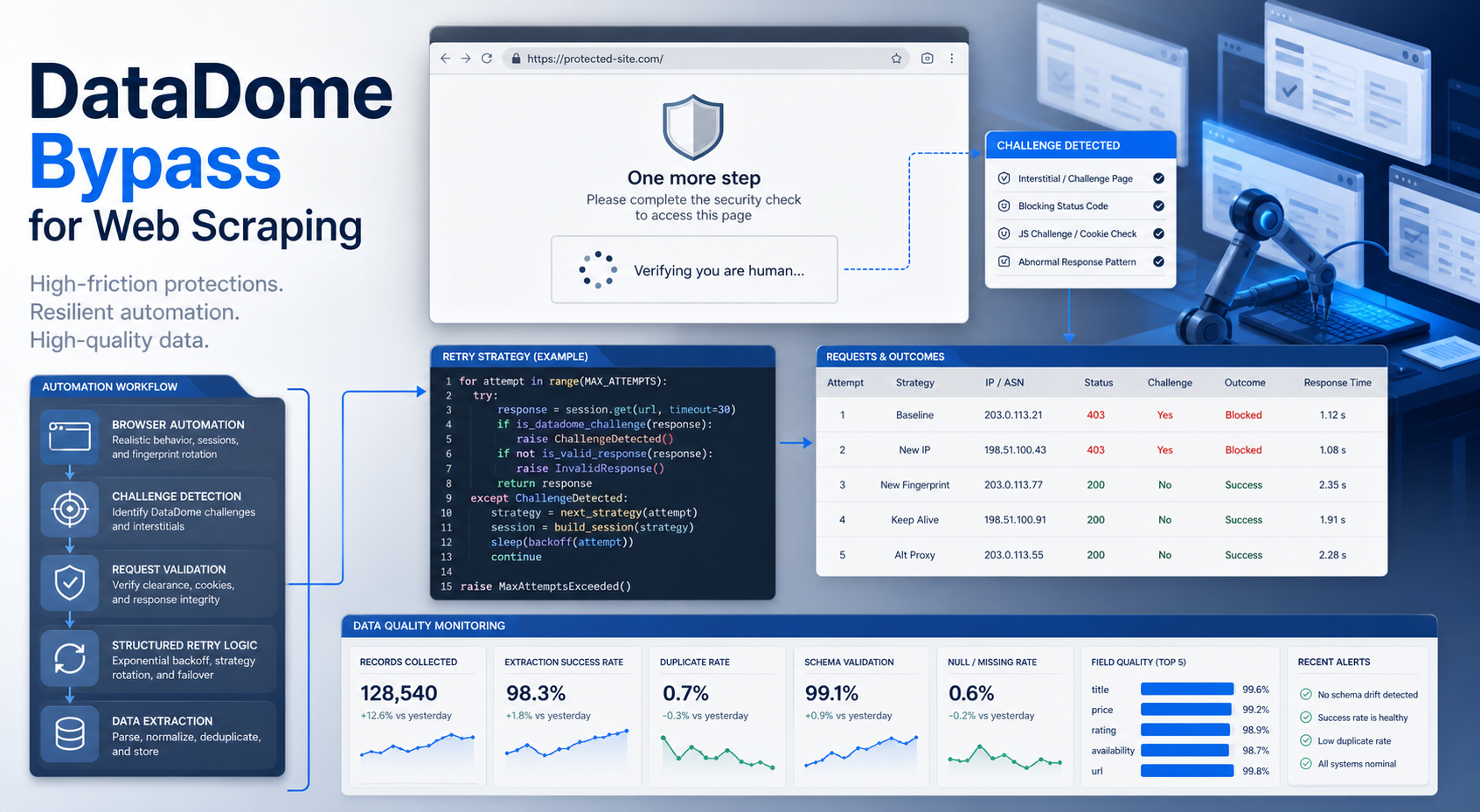
DataDome Bypass for Web Scraping
DataDome Bypass for Web Scraping
View Details
Web Scraping Rate Limiting: How to Handle 429s, Backoff, and Concurrency
Web scraping rate limiting is the engineering discipline of keeping an authorized collection workload inside a target service's acceptable request envelope. When that envelope is exceeded, a server may respond with HTTP 429 Too Many Requests, delay responses, or apply other controls.
View Details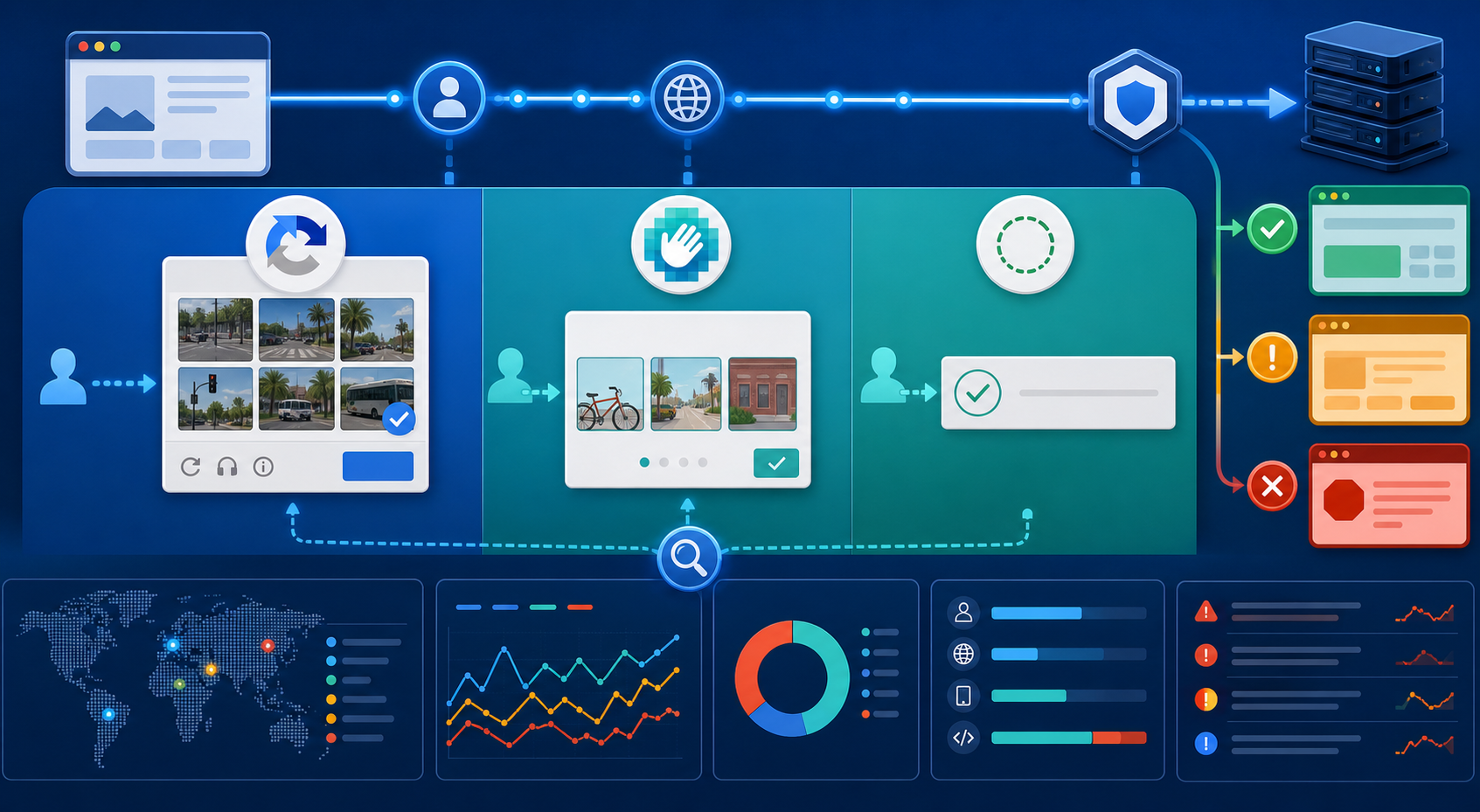
reCAPTCHA vs hCaptcha vs Cloudflare Turnstile: What Scraping Teams Need to Know
If an authorized data-collection workflow suddenly stops at a verification screen, identifying the protection system matters before you change code, browser settings, or proxy infrastructure. reCAPTCHA vs hCaptcha vs Turnstile is not simply a branding comparison. The three systems can expose different browser flows, token models, risk decisions, and failure symptoms.
View Details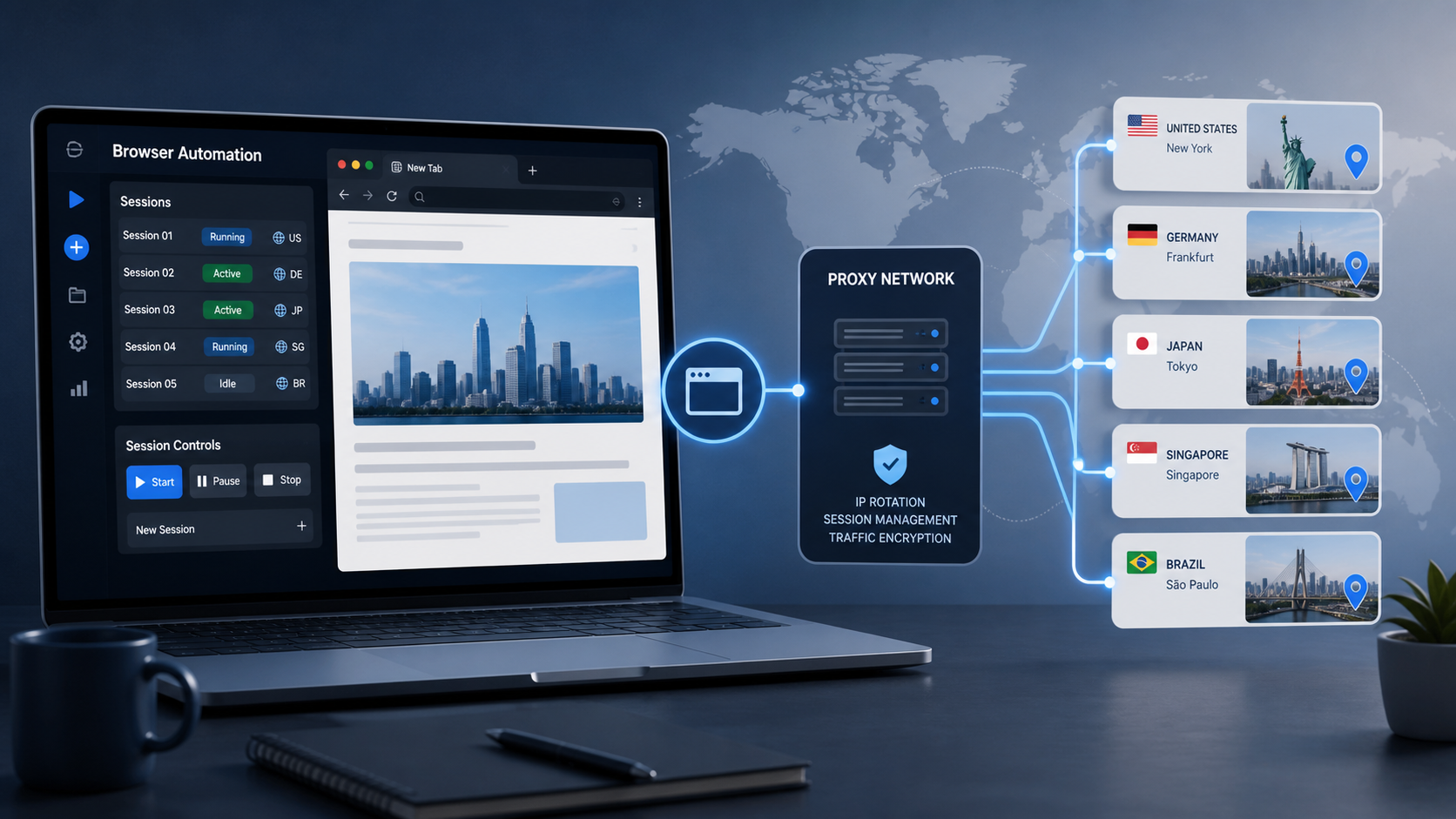
Browser Automation Proxies: IPs, Geo-Targeting, Sessions, and AI Agents
A browser automation proxy belongs to the network layer of Playwright, Selenium, cloud-browser, and AI-agent workflows. It changes how browser traffic is routed and can affect the source IP address, geographic egress, and session continuity seen by a destination site. It does not improve an AI model's reasoning, repair browser logic, or guarantee that a website will accept the session.
View Details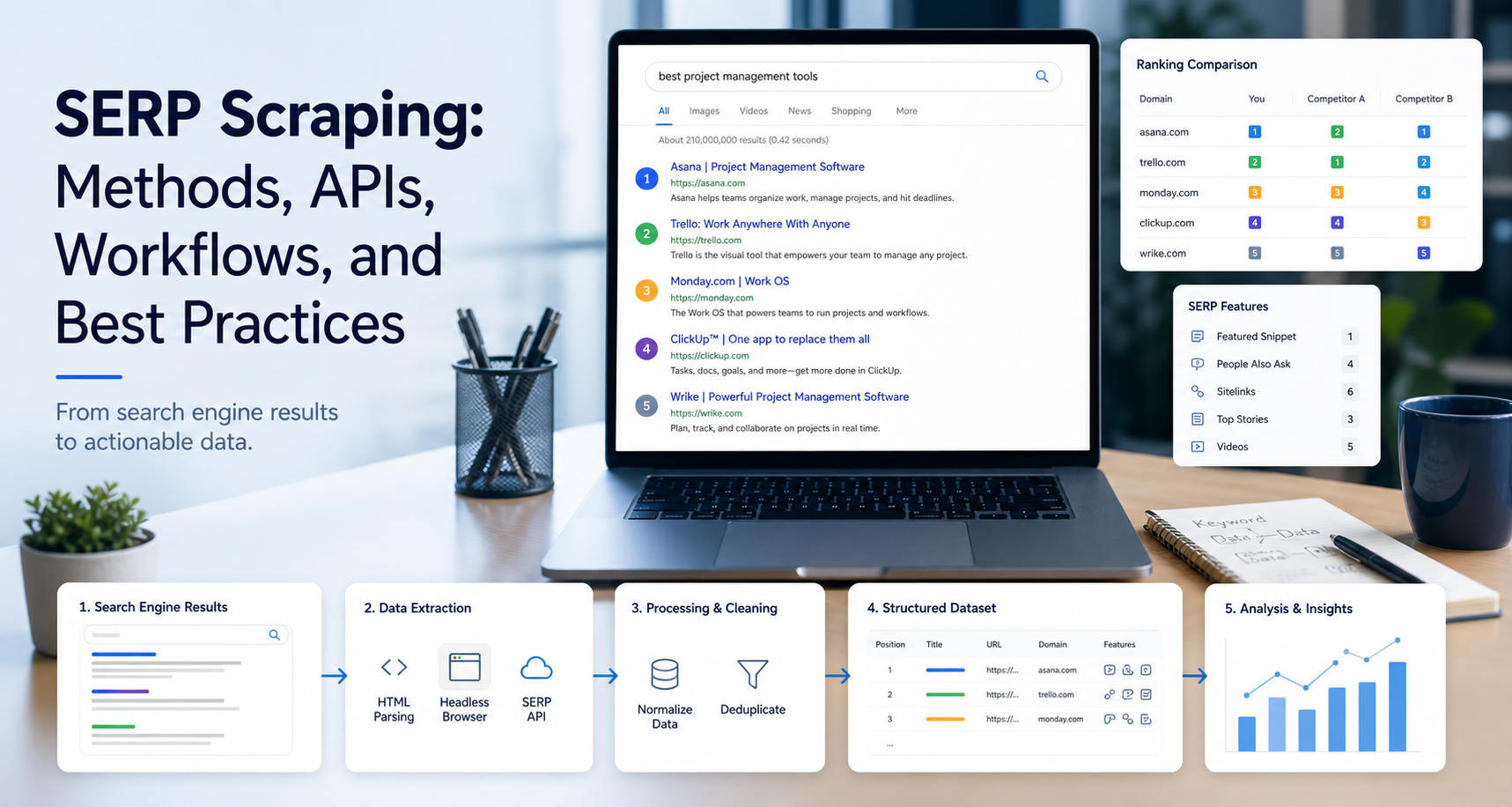
SERP Scraping: Methods, APIs, Workflows, and Best Practices
SERP scraping is the automated collection of information from search engine results pages. A SERP scraper can capture organic rankings, advertisements, featured snippets, People Also Ask questions, local results, shopping listings, images, and other search features, then convert them into structured data for analysis.
View Details