
Starlink Direct to Cell vs Traditional Mobile Carriers
Direct to Cell vs terrestrial mobile: the short answer
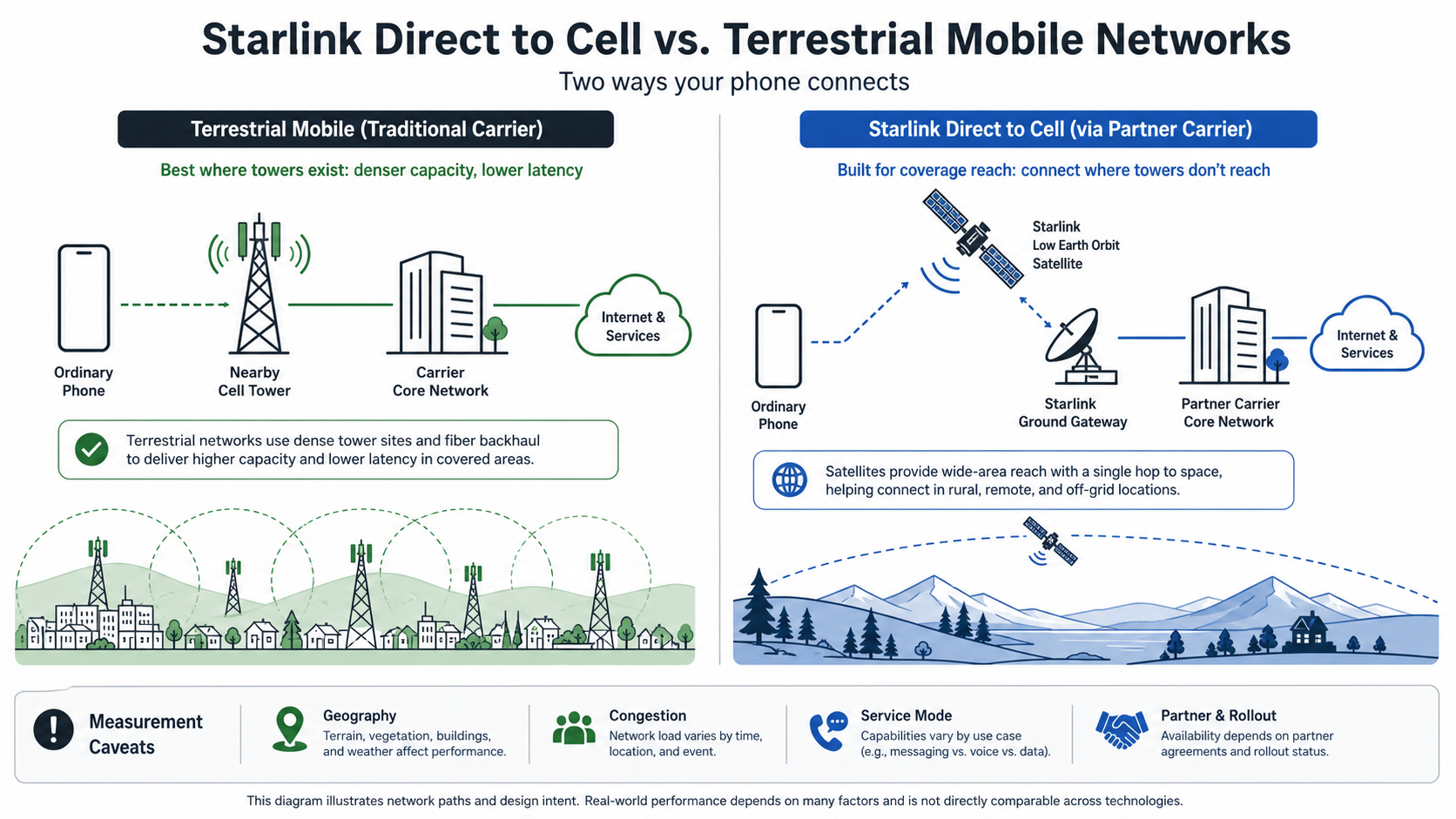
Terrestrial carriers connect a phone to a nearby radio site with dense spectrum reuse and fiber or microwave backhaul. Direct-to-cell connects a compatible ordinary phone to a satellite carrying cellular capability, then into a partner carrier's network. The satellite path adds distance and shared capacity but reaches places where a tower signal is unavailable.
The official Starlink Direct to Cell page describes the service model and partner approach. The FCC Supplemental Coverage from Space fact sheet explains the US regulatory category. Availability and capabilities can change, so verify current carrier and regulator information for the target country.
Latency: why terrestrial usually wins where coverage exists
A direct-to-cell packet travels from the handset to a moving low-Earth-orbit satellite, through the satellite/ground network, and into the partner carrier core. A terrestrial packet normally reaches a nearby tower first. That shorter radio path and denser infrastructure generally favor terrestrial latency, but the end-to-end result also includes scheduling, backhaul, routing, congestion, application servers, and retransmissions.
Do not compare one satellite messaging attempt with a terrestrial speed test. Measure the same service mode and destination, repeat tests, and report a distribution. GSC impressions for this page specifically center on direct-to-cell latency compared with terrestrial cellular, so this distinction is the primary answer.
Capacity and spectrum reuse
Terrestrial networks reuse spectrum across many small cells and can add sectors, bands, and sites in high-demand areas. A satellite beam covers a much wider area and shares constrained radio resources across users. Direct-to-cell therefore makes the most sense as coverage extension and resilience, not a universal substitute for dense urban mobile broadband.
Coverage and sky-view tradeoffs
Satellite service can reach rural roads, wilderness edges, farms, maritime approaches, and disaster areas where a partner network lacks towers. It still depends on satellite visibility, supported spectrum, regulatory approval, partner integration, compatible service, and environmental conditions. Buildings, terrain, vegetation, and indoor use can affect the link.
Traditional networks remain stronger indoors and in covered urban areas because towers are closer and operators can deploy dedicated capacity. Neither system offers universal availability.
Messaging, voice, and data are separate service modes
A rollout may support messaging before voice or packet data. Treat each capability independently. Messaging can tolerate more delay and lower throughput than interactive voice or general internet access. Confirm whether the local partner supports the exact service on the exact plan and handset rather than extrapolating from another country.
Phone compatibility and carrier relationships
Direct-to-cell is intended to work with ordinary compatible LTE phones in supported partner spectrum, but commercial access still depends on carrier provisioning, geography, device bands, software, and plan rules. It is not the same as using a dedicated satellite handset, which has purpose-built radios and service networks.
Direct to Cell vs satellite phones
| Factor | Direct to Cell | Dedicated satellite phone | Terrestrial carrier |
|---|---|---|---|
| Device | Supported ordinary phone | Purpose-built satellite device | Ordinary mobile phone |
| Best environment | Coverage gaps with sky view | Remote specialist use | Areas with tower coverage |
| Capacity | Shared satellite-cell resource | Service-specific | Dense spectrum reuse |
| Operational dependency | Satellite plus partner carrier | Satellite operator | Local radio and backhaul |
A controlled field-testing method
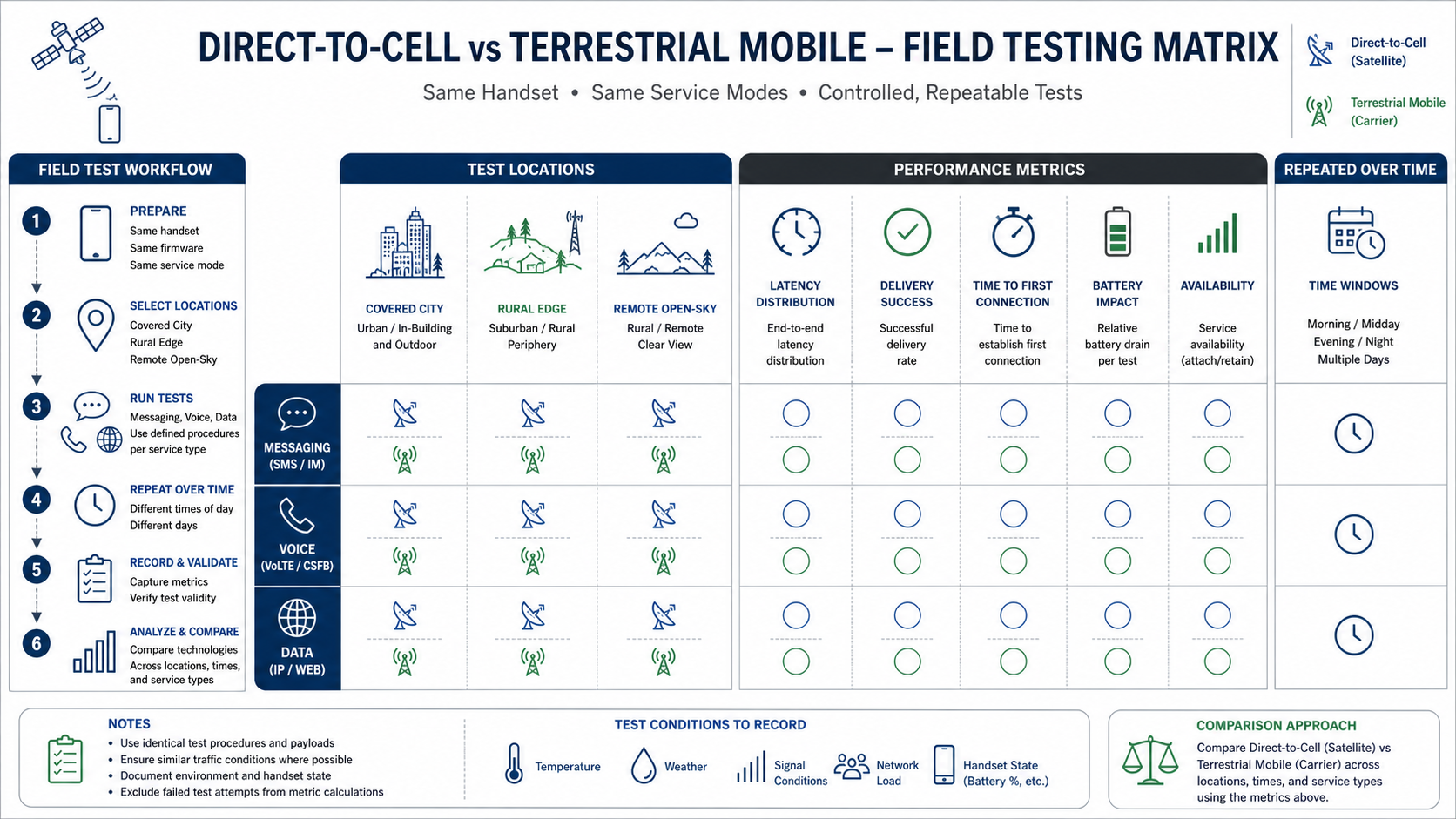
- Use the same handset, firmware, account state, and service mode.
- Test in a covered city, a rural edge, and a remote open-sky location where permitted.
- Separate messaging, voice, and data results.
- Record time to first connection, delivery success, latency distribution, availability, and battery impact.
- Repeat at different times and document weather, signal, load, and handset state.
- Keep failed setup attempts separate from valid performance samples.
How developers should interpret network tests
Application performance includes DNS, TCP or QUIC setup, TLS, redirects, server processing, and content delivery. A network with higher radio latency can still complete a small message reliably; a low-latency connection can still fail because of congestion or application policy. Instrument each layer instead of attributing every delay to the access technology.
For authorized regional application QA, use the location mismatch workflow and compare residential proxy infrastructure, mobile proxy routing, and datacenter proxy networks. A proxy can help reproduce an internet egress region, but it cannot emulate a satellite radio link, handset modem, or carrier scheduling.
Resilience and emergency use
Direct-to-cell can add a path where ground infrastructure is absent or damaged, but emergency planning needs more than a marketing availability statement. Test registration, message delivery, power, open-sky access, carrier provisioning, and user instructions before relying on it. Keep alternative communication methods and local procedures.
Privacy, security, and routing boundaries
Both paths involve carrier core systems and application providers. Encryption and metadata exposure depend on the application protocol and network architecture. Direct-to-cell is not an anonymity service. Account identifiers, device identifiers, location context, and application telemetry can remain visible.
For device-level trust boundaries, read the VPS vs VPN guide. For browser tests, the fingerprinting guide explains why network location is only one signal.
Decision framework
- Use terrestrial mobile when reliable tower coverage and capacity exist.
- Consider direct-to-cell as a coverage extension for gaps, resilience, and basic supported services.
- Use a dedicated satellite service when the mission requires purpose-built remote communications and its capabilities are verified.
- Check partner carrier, regulatory approval, service mode, device, and plan before deployment.
- Test the real route and application rather than relying on universal latency or speed claims.
Common comparison mistakes
- Using announced future capabilities as if they are live in every market.
- Comparing satellite messaging with terrestrial broadband throughput.
- Reporting one latency sample without route or service context.
- Ignoring partner-carrier provisioning and spectrum rights.
- Assuming outdoor open-sky results apply indoors.
- Calling the systems direct substitutes when their strongest use cases differ.
Teams collecting network evidence can use Android routing checks, self-hosted tunnel diagnostics, and provider testing criteria as adjacent operational references.
What the GSC query pattern tells us
The page's disclosed queries are variations of "Starlink direct to cell latency compared to terrestrial cellular" and comparisons with satellite phones. That means readers need a technical explanation of the path and a careful measurement method, not a speculative launch timeline. The article preserves the useful physics and use-case comparison while removing year-by-year forecasts that can become stale.
Radio-link and routing components
End-to-end latency includes handset scheduling, radio transmission, satellite movement and beam management, gateway access, carrier-core processing, internet transit, and the application server. Terrestrial latency similarly includes radio access, tower backhaul, carrier core, transit, and server response. The difference is not simply distance; queueing, retries, and route design can dominate an individual result.
Why one ping is insufficient
A ping may be deprioritized, blocked, or routed differently from application traffic. Record DNS lookup, connection setup, TLS handshake, first byte, and completion time for the actual approved application. Report median and tail behavior with sample count and conditions.
Urban, rural-edge, and remote scenarios
Covered urban area
Dense terrestrial sites usually provide the best capacity, indoor reach, and interactive performance. Satellite coverage can add resilience but should not be assumed to improve a healthy tower connection.
Rural edge
Users may see intermittent terrestrial service because of terrain, cell loading, or distance. Direct-to-cell can provide an alternate path when the partner service and sky view are available. Test transition behavior rather than only isolated steady-state links.
Remote open-sky location
Coverage extension is the central value. Confirm registration time, supported message or call type, power use, weather, obstruction, and emergency procedures. A successful marketing demonstration is not a local operational acceptance test.
Partner-carrier and regulatory dependencies
Direct-to-cell uses licensed mobile spectrum through partner arrangements and requires authorization. Market availability therefore depends on the satellite operator, local carrier, regulator, spectrum band, handset support, and commercial plan. Record the source and date for any availability statement; avoid turning a partner announcement into a universal launch claim.
Handover and mobility questions
A moving user can cross satellite beams, terrestrial cells, and coverage boundaries. Relevant tests include initial registration, reacquisition after obstruction, service continuity while moving, and transition to the terrestrial partner network. Results can differ for messaging, voice, and data, so each needs its own acceptance criteria.
Cost and plan comparison
Do not compare sticker prices without service scope. Record whether the plan includes messaging, voice, or data; roaming geography; emergency features; handset requirements; usage limits; and partner-carrier charges. Pricing and availability change, so verify the current official offer at decision time instead of embedding a permanent winner claim.
Operational test record
For every field run, store date and time, coordinates at an appropriate privacy precision, handset and firmware, carrier and plan, service mode, weather, sky obstruction, terrestrial signal, test payload, destination, and failures. Mark whether a sample used satellite or terrestrial service. Without that evidence, a latency number cannot support procurement or resilience planning.
Application design for intermittent links
Applications used in coverage gaps should tolerate delay, reconnect cleanly, queue small messages, avoid duplicate actions, and show the user whether delivery is pending or confirmed. Keep payloads compact and do not assume continuous broadband. A resilient application benefits users on congested terrestrial networks as well as satellite links.
For web automation that must survive variable networks, the Puppeteer and Playwright comparison explains retries and evidence. Network variability should be handled explicitly rather than hidden behind unlimited retries.
Frequently Asked Questions
Is Starlink Direct to Cell faster than 5G?
It is designed primarily to extend coverage. Where a terrestrial 4G or 5G network has strong coverage and capacity, terrestrial service will generally offer lower latency and more throughput.
How does direct-to-cell latency compare with terrestrial cellular?
The satellite path is longer and uses shared space and ground infrastructure, so it generally adds latency. Measure the same service mode and route because congestion and application processing also matter.
Does Direct to Cell need a special phone?
The goal is supported ordinary LTE phones, but access depends on bands, software, partner carrier, plan, geography, and the service currently enabled.
Is Direct to Cell the same as a satellite phone?
No. Direct-to-cell integrates ordinary compatible phones with partner cellular networks; satellite phones use purpose-built devices and dedicated services.
Will Direct to Cell replace mobile carriers?
It depends on mobile carriers for spectrum and core-network integration and is better viewed as complementary coverage rather than a universal replacement.
Can a proxy simulate Direct to Cell?
No. A proxy can change internet egress for application testing, but it cannot reproduce satellite radio conditions, modem behavior, scheduling, or coverage.

Recommended Articles
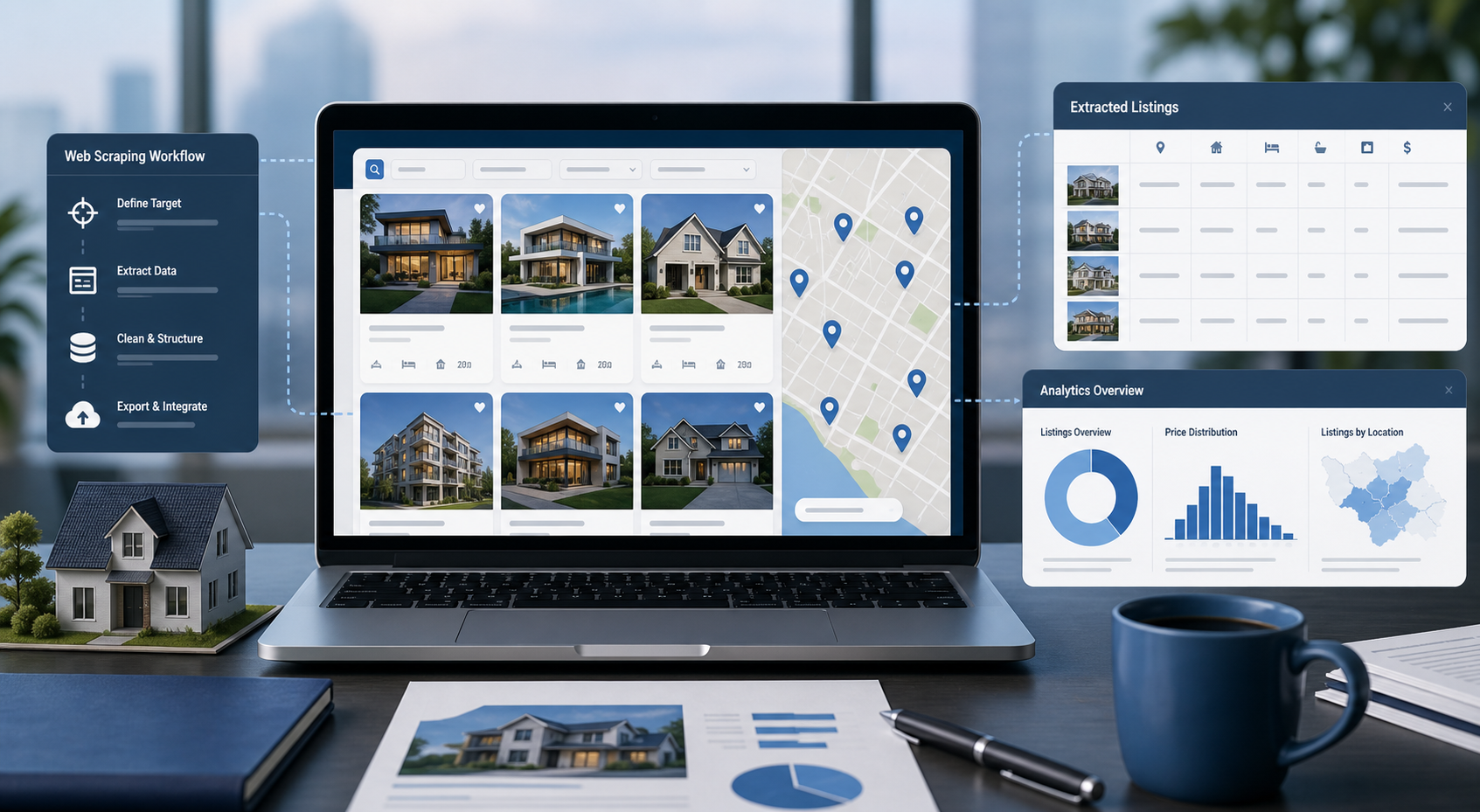
Best Real Estate Scrapers in 2026
Best Real Estate Scrapers in 2026
View Details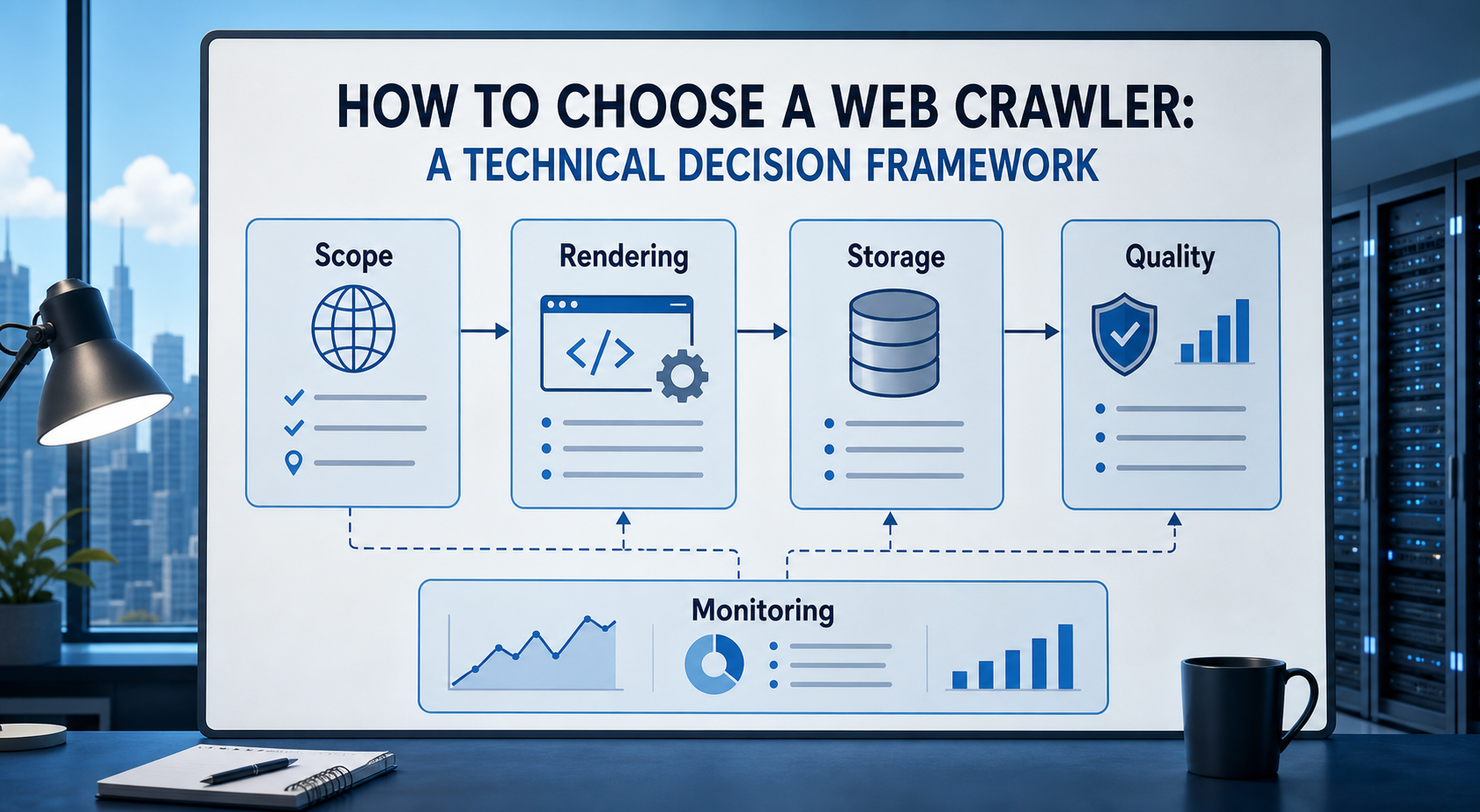
How to Choose a Web Crawler: A Technical Decision Framework
The wrong way to choose a web crawler is to begin with a list of products. The right starting point is the system you need to build. Before comparing tools, define:
View Details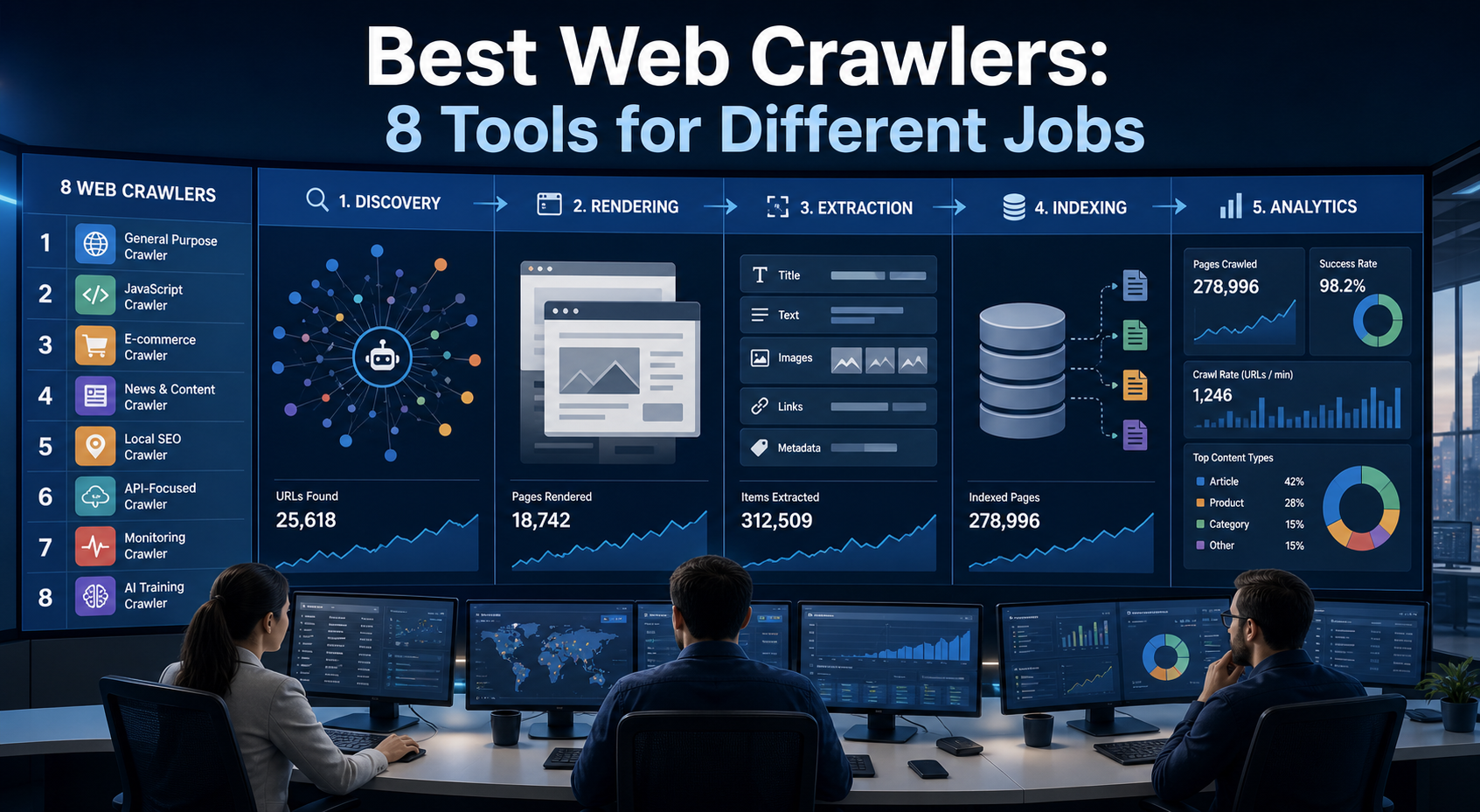
Best Web Crawlers: 8 Tools for Different Jobs
There is no single best web crawler for every project. A technical SEO audit, an AI knowledge pipeline, an internet archive, and a distributed search index may all involve crawling URLs, but they require different capabilities. The most useful way to compare web crawler tools is therefore to ask what job each one was designed to perform. This guide evaluates eight strong options across:
View Details
Web Scraping Ecommerce Websites With Python: A Practical Guide
Recommended meta title: Web Scraping Ecommerce Websites With Python: Guide Recommended meta description: Learn how to scrape ecommerce websites with Python using Requests, Beautiful Soup, Playwright, and Scrapy, with validation and scaling guidance. URL slug: /web-scraping-ecommerce-websites-python/
View Details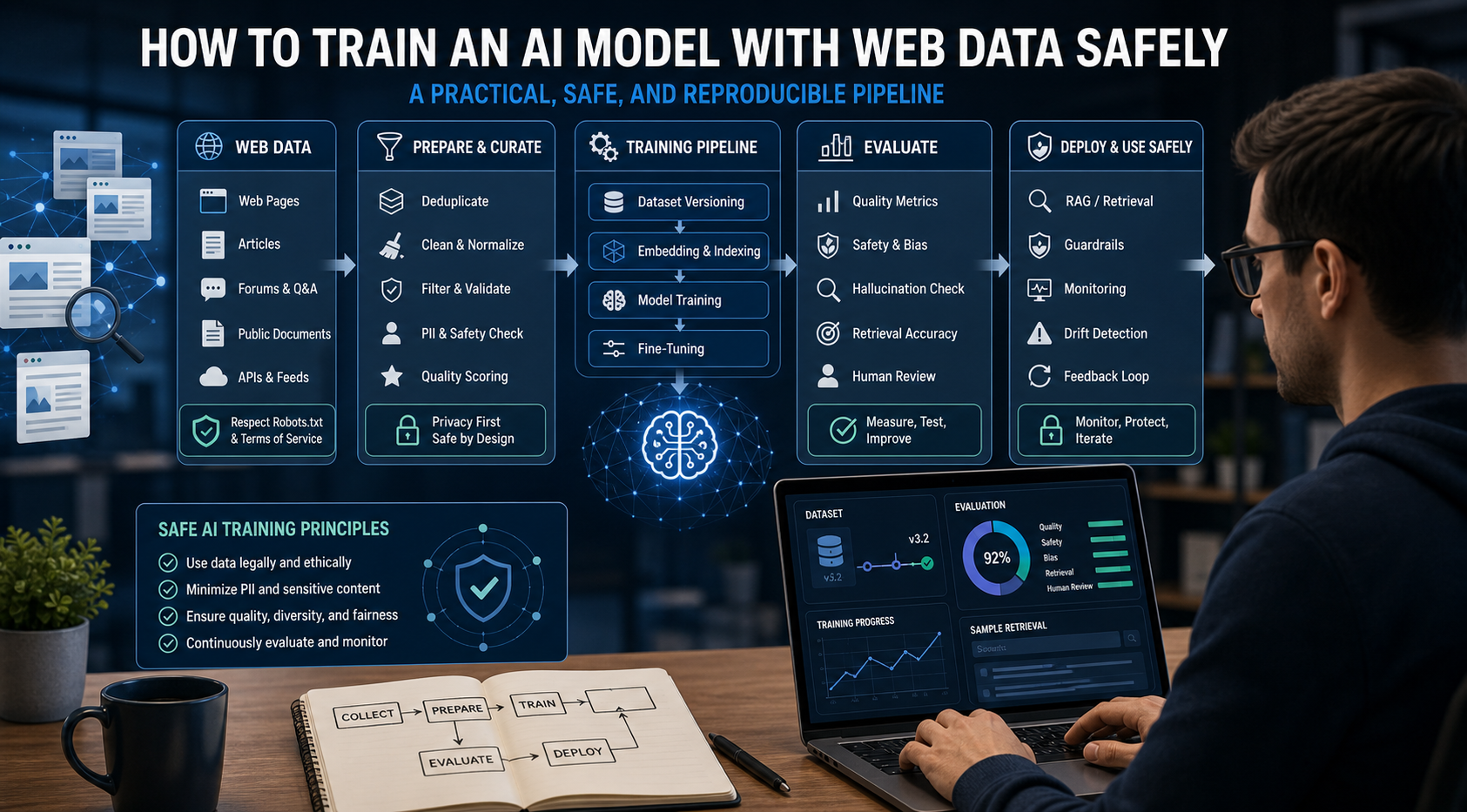
How to Train an AI Model With Web Data Safely
To train an AI model with web data, start by deciding whether you actually need training. Then collect representative sources, preserve provenance, remove duplicates and low-quality content, create leakage-resistant splits, build a baseline, fine-tune or train the appropriate model, and evaluate on real held-out examples before deployment.
View Details