
SERP Tracking API: How to Track Local Google Rankings by Location
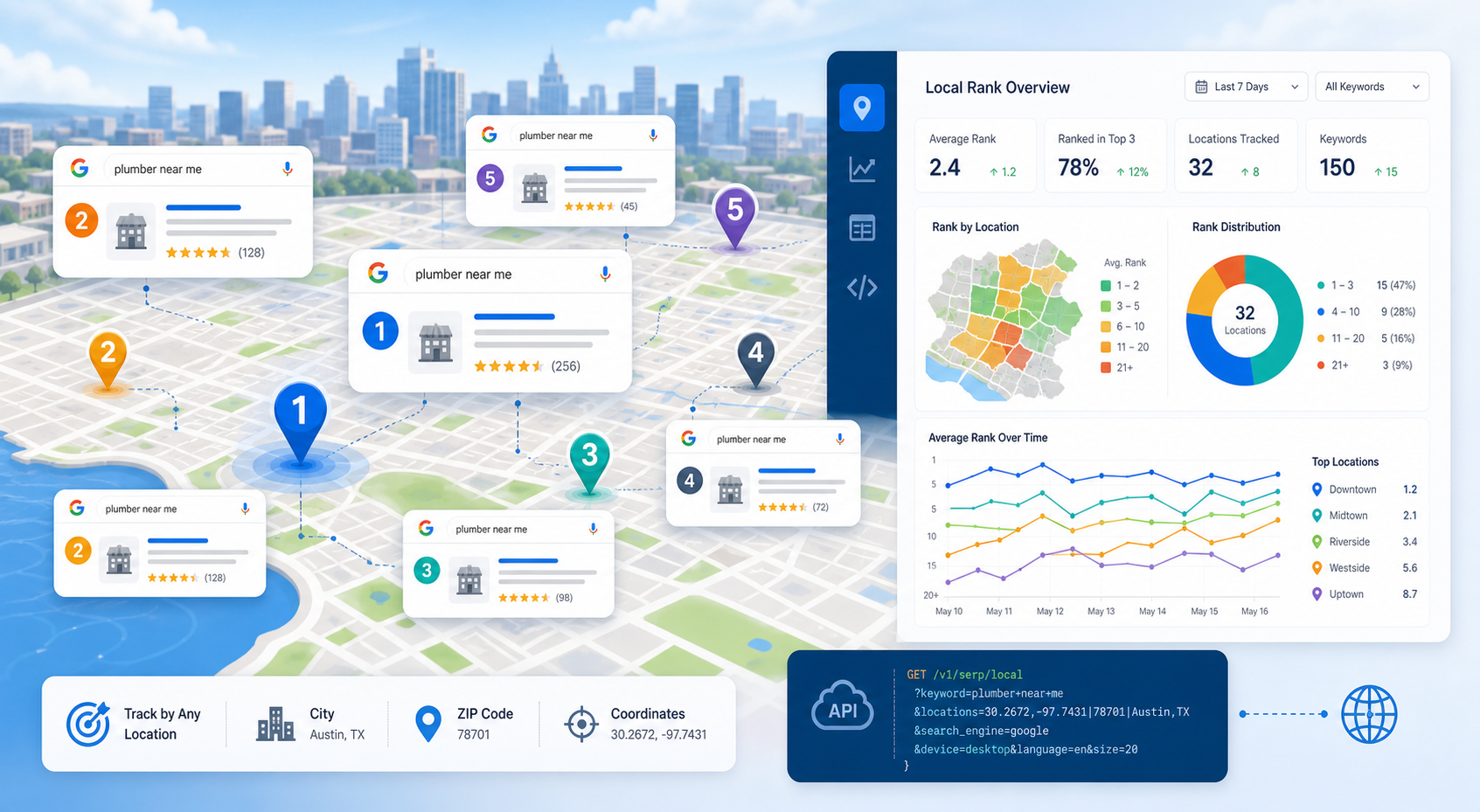
A SERP tracking API collects search-result positions on a repeatable schedule so SEO teams can measure visibility over time. For local SEO, the useful question is not simply “What rank are we?” It is “What rank are we from this location, on this device, for this result type, at this time?”
Local rankings can change across neighborhoods, devices, languages, and Google surfaces. A useful local tracking system therefore needs more than a country parameter. It needs a consistent measurement model for organic results, the Local Pack, Maps results, and geographic sampling.
What Makes Local SERP Tracking Different
National rank tracking can often use a broad country and device configuration. Local tracking is more sensitive to geographic context because proximity and local result surfaces can materially change what the searcher sees.
SerpApi’s Google Search API documentation recommends specifying location at the city level to simulate a real user search more precisely. DataForSEO’s SERP API overview likewise documents results that are specific to the selected keyword, search engine, language, and location parameters.
For the LycheeIP implementation details behind this step, review rotating residential proxies.
For the LycheeIP implementation details behind this step, review static residential proxies.
For the LycheeIP implementation details behind this step, review AI-powered browser automation hub.
For the official technical reference behind this point, see Anthropic documentation.
Separate Organic, Local Pack, and Maps Visibility
Google exposes local information through several result structures. SerpApi’s Google Local results documentation shows fields such as title, reviews, ratings, address, GPS coordinates, and place identifiers for local search results, while its Local Pack documentation describes the local map and local result block that can appear in standard Google results.
Your reporting model should keep these result types separate. Combining them into one “local rank” number hides whether a business is gaining organic visibility, Local Pack visibility, Maps visibility, or all three.
Choose the Right Geographic Unit
Country and state
Useful for broad market comparisons, but usually too coarse for competitive local SEO.
City
A practical baseline for city-level reporting. It is still an aggregate context and may hide neighborhood differences.
ZIP or postal area
Useful when service territories follow postal boundaries and the provider supports that level of location input.
Latitude and longitude
Best suited to grid-style measurement because it lets you sample visibility from consistent points across a service area when the API supports coordinates.
Build a Local Rank-Tracking Grid
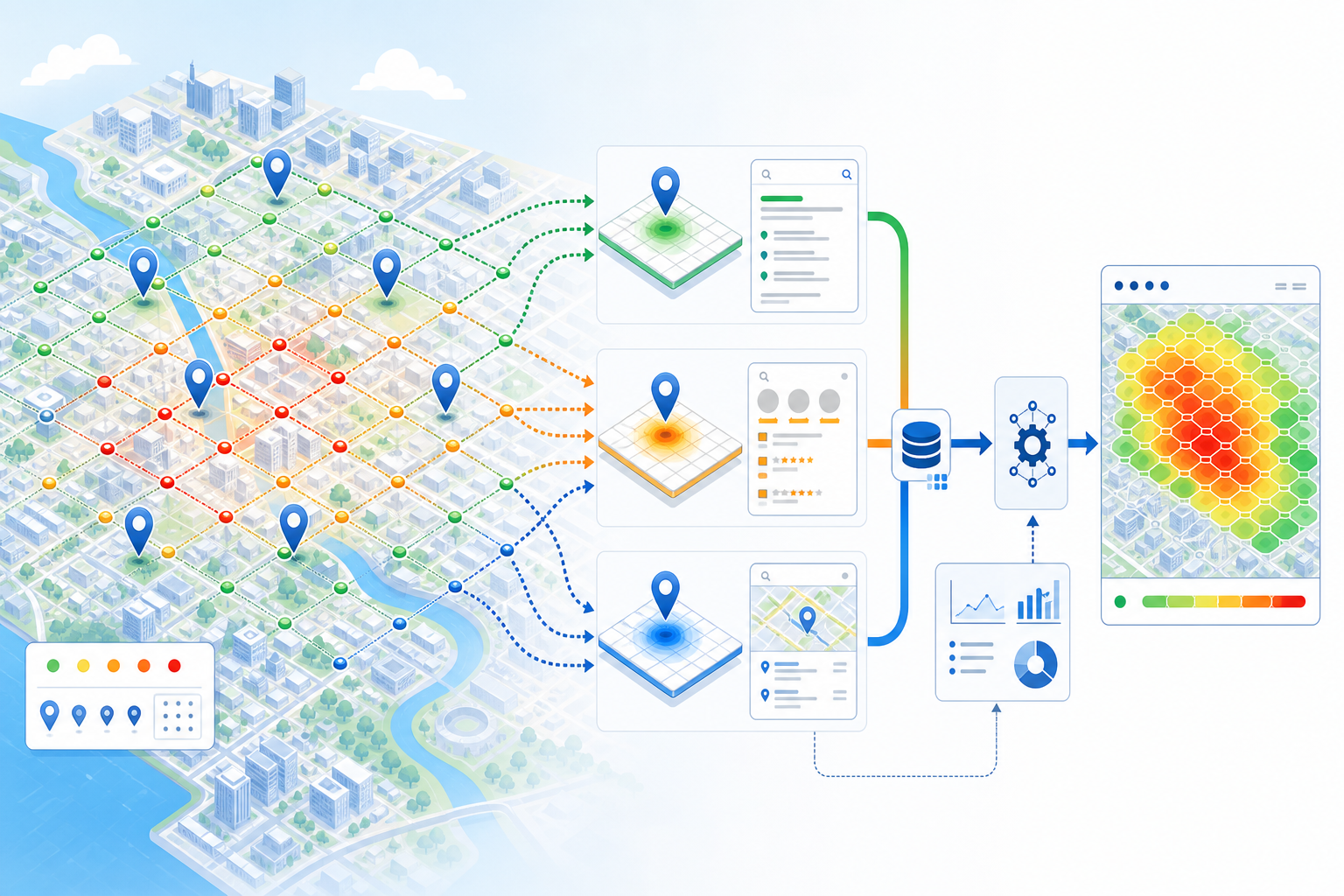
A location grid turns local SEO from one rank into a spatial measurement problem.
- Choose the business location or service area to measure.
- Define a set of geographic points at consistent spacing.
- Assign the target keyword set.
- Run the same search configuration from every point.
- Record Local Pack or Maps position separately from organic rank.
- Visualize where the business is strong, weak, or absent.
- Repeat the same grid on a consistent schedule.
Do not change grid spacing, device, search language, or result definition between reporting periods unless you clearly mark the methodology change.
Design the Local SERP Dataset
A useful local rank record usually needs:
- keyword
- business identifier
- search coordinates or location name
- device
- language
- result type
- position
- competitor or listing identifier where relevant
- collection timestamp
- provider request identifier when available
Store the business or place identifier when the provider exposes one. Business names can change, duplicate, or vary slightly, while identifiers make longitudinal matching more reliable.
For the LycheeIP implementation details behind this step, review LycheeIP proxy infrastructure.
Measure “Near Me” Queries Carefully
Queries such as “dentist near me” or “coffee near me” depend heavily on search location. A manual search from an office, home, or VPN cannot automatically represent the whole service area.
When measuring implicit local intent, keep the search coordinates explicit and consistent. For location-modified keywords such as “dentist in Austin,” track the query text and the physical search location separately because both can influence results.
Keep Device Context Consistent
Mobile and desktop can produce different layouts and local behaviors. A rank-tracking report should not compare a mobile run this week with a desktop run next week and treat the difference as a ranking change.
If both device types matter to the business, track them as separate series.
Track Competitors Spatially, Not Only by Average Rank
A citywide average can hide a competitor that dominates one neighborhood but is weak elsewhere. Grid data can reveal geographic patterns that a single city-center rank cannot.
- competitors that appear consistently across the service area
- competitors that dominate only around their own address
- areas where the Local Pack changes sharply
- locations where your business disappears while organic pages remain visible
- areas where the closest competitor is not the highest-ranking competitor
Use this data to generate hypotheses for local SEO work, not to claim that proximity alone explains every ranking difference.
Local Rank Tracking for Multi-Location Businesses
Multi-location brands should keep each location as a separate entity. A national average can make the overall program look stable while individual locations gain or lose visibility.
For each location, maintain its own:
- location identifier
- approved business name
- address or service-area definition
- target keyword set
- search grid
- device profile
- local landing page
- business-profile identifier where available
Then roll results up only after location-level measurement is complete.
How Often Should Local Rankings Be Collected?
There is no universal schedule. Collection frequency should match how quickly the decision needs to be made and how expensive the dataset is to maintain.
A stable service business may not need every keyword from every grid point every hour. A campaign launch, business-profile change, major website migration, or highly competitive category may justify more frequent sampling for a limited period.
Local Tracking Mistakes That Distort Reports
- tracking only from the city center
- mixing Local Pack, Maps, and organic positions
- switching devices between reporting periods
- changing grid coordinates without documenting it
- matching businesses only by display name
- comparing personalized manual searches with controlled API measurements
- treating one location as representative of the entire service area
- ignoring missing or empty local result states
Combine SERP Visibility With Business and Website Outcomes
Local rank data measures visibility, not business performance. A complete local SEO analysis should connect three layers:
- SERP visibility: whether the business or website appears.
- Business-profile engagement: actions associated with the listing where measurement is available.
- Website and conversion behavior: what users do after reaching the site.
A ranking increase is useful when it improves meaningful discovery or conversion. It should not be treated as the final business outcome.
Where LycheeIP Fits in Local Search Measurement
A managed SERP tracking API normally handles its own location emulation. If your team instead operates an authorized collector or localization-testing workflow, proxy geography becomes part of the network layer.
LycheeIP dynamic residential proxies currently list coverage across more than 200 countries and regions along with district-level targeting. Those capabilities can be relevant to self-managed geographic testing, but they should be validated against the exact target market and collection method before scale.
LycheeIP static residential proxies can fit location-sensitive workflows that need a stable residential network identity rather than rapid rotation.
A proxy does not determine Local Pack ranking and does not fix a tracking methodology that mixes devices, result types, or coordinates.
When a Local SERP API Is Not Enough
Local rank data alone cannot explain why a business ranks, whether searchers called or booked, how reviews affect buyer behavior, whether website visitors converted, or whether revenue changed. Use it as one measurement layer alongside business-profile, website, conversion, and operational data.
For the official technical reference behind this point, see MDN HTTP overview.
Measure local SERPs reliably with LycheeIP proxy infrastructure
Final Takeaway
The most useful local rank tracker is not the one that produces the largest volume of positions. It is the one that measures the same result type, location, device, and keyword consistently enough to show real geographic changes over time.
Frequently Asked Questions
What is a SERP tracking API?
A SERP tracking API programmatically collects search-result positions and related SERP data so teams can monitor visibility over time. For local SEO, it should preserve location, device, language, and result type.
What is the difference between Local Pack rank and organic rank?
Local Pack rank measures a business listing inside the local results block. Organic rank measures a webpage in the standard organic listings. They are different surfaces and should be reported separately.
Can I track Google Maps rankings by coordinates?
Some providers support coordinate-based or highly specific geographic inputs for Maps or local search products. Verify the exact API’s current location parameters before designing a grid.
Why do local rankings differ by neighborhood?
Local search can vary with proximity, query intent, competition, result surface, and other search context. That is why a grid is more informative than one citywide check.
Should I track mobile and desktop together?
Track them separately if both matter. Mixing device types in one time series can make layout differences look like ranking changes.
Do proxies guarantee accurate local rankings?
No. A proxy can influence network geography in a self-managed workflow, but accurate measurement also depends on query configuration, device, search language, result type, provider behavior, and consistent methodology.
Related LycheeIP Guides and Resources

Recommended Articles
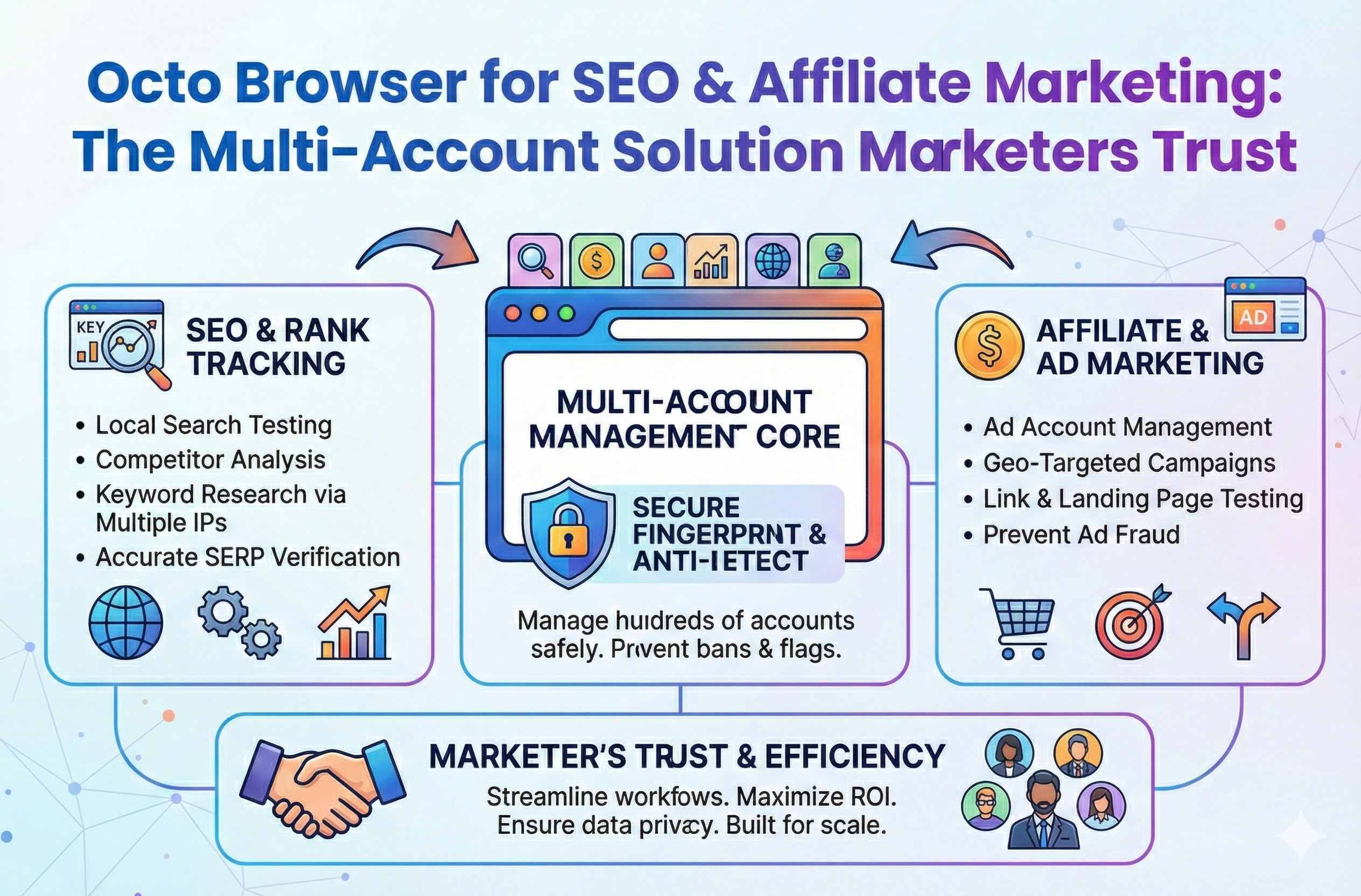
Octo Browser for SEO & Affiliate Marketing: The Multi-Account Solution Marketers Trust
Stop losing your hard earned revenue to sudden account suspensions. Discover how to completely isolate your outreach profiles and scale your campaigns without ever triggering a security flag.
View Details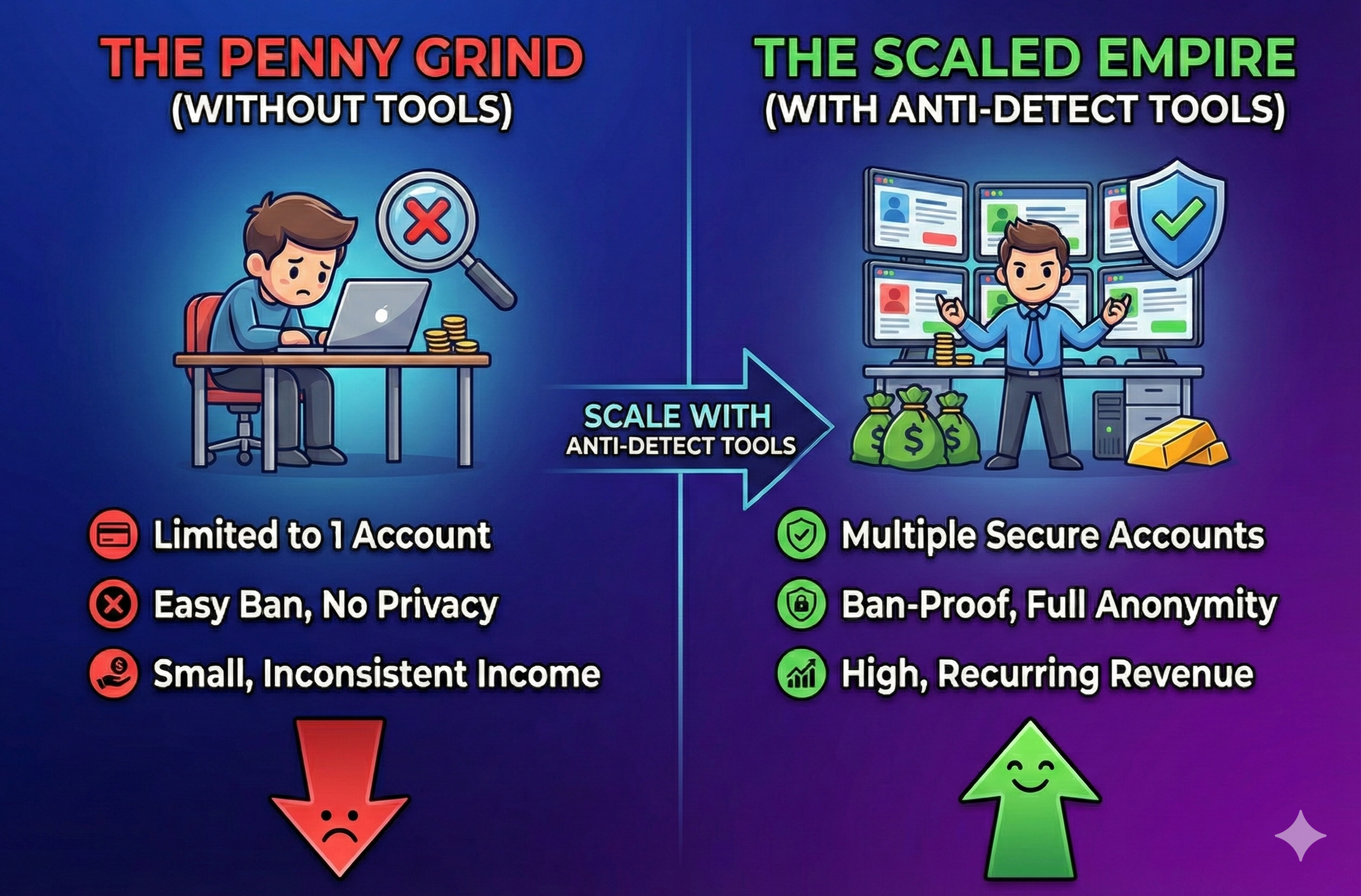
Stop Earning Pennies: Scale with Anti-Detect Tools
Stop letting the fear of account bans limit your business growth. Discover how modern antidetect browsers and clean proxies keep your digital identities isolated so your team can scale securely.
View Details
Google Account Verification Issues: Safe Troubleshooting Guide
If Google asks for verification, use the on-screen challenge or official account-recovery process from a familiar device and stable network. Do not try to bypass verification with purchased accounts, disposable phone numbers, anti-detect tools, or repeated proxy rotation. Those tactics can increase risk signals, violate policy, and make recovery harder.
View Details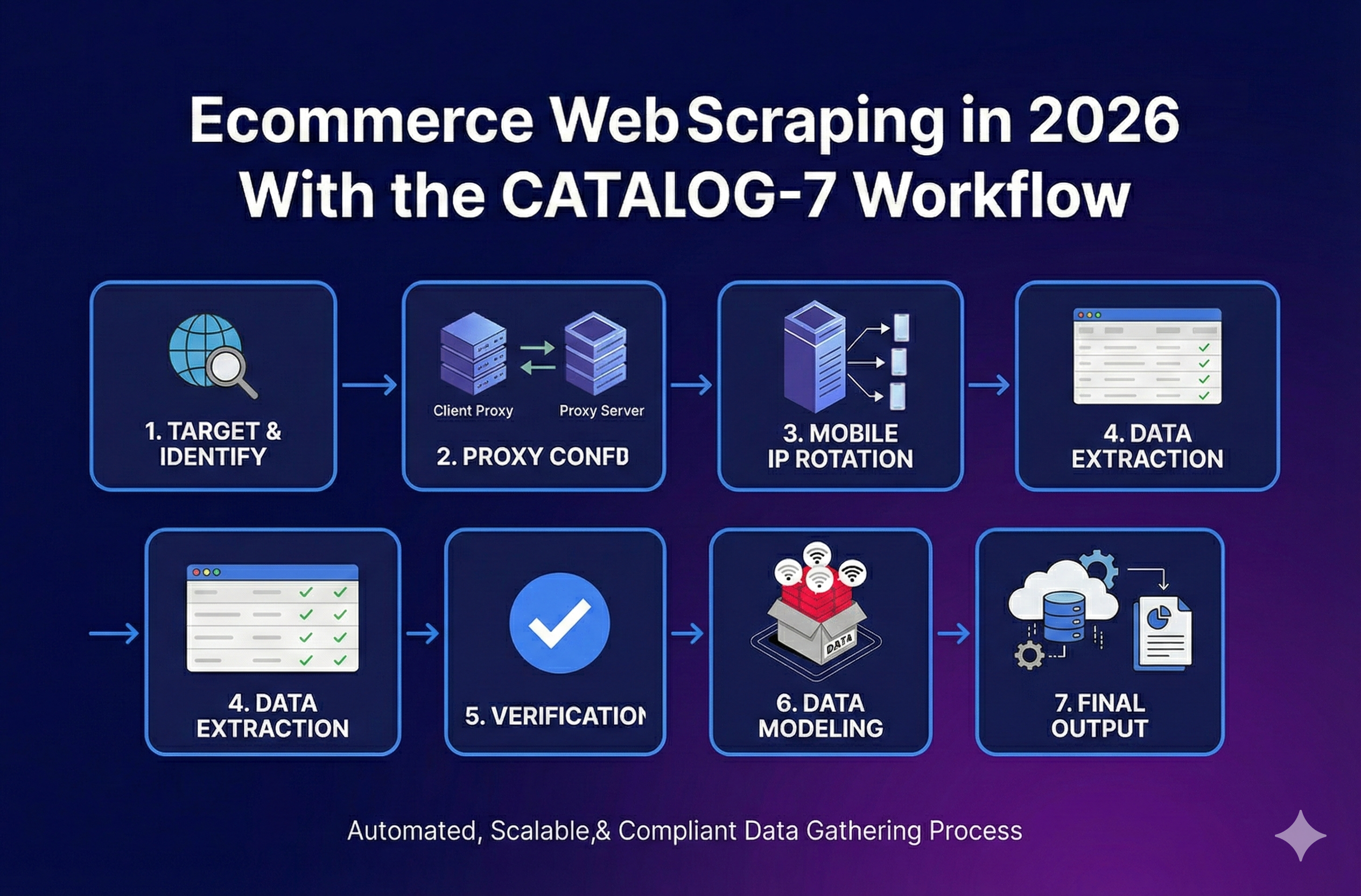
Ecommerce Web Scraping in 2026 With the CATALOG-7 Workflow
Stop broken feeds. Get a reliable ecommerce web scraping workflow, a Python stack picker, and a troubleshooting guide to handle variants and blocks.
View Details
Shopify Markets pricing: how it works, how to set it, and how to model landed cost
Use a decision matrix to pick converted, adjusted, or fixed market prices. See how exchange rates, conversion fees, and rounding affect margin, and prevent checkout mismatch
View Details