
Data verify with DataVerify and Commvault: how to actually trust your data
Data verify with DataVerify and Commvault: how to actually trust your data
If you type "data verify" into a search box, you are usually looking for one of two things: a way to reach the DataVerify platform to check borrowers, or a technical method to confirm your internal backups are not corrupt. The reality is that modern data infrastructure requires both. In this article, we treat data verify as a holistic concept that links DataVerify’s lending checks with Commvault’s infrastructure verification, ensuring you trust your information from the initial API call down to the archive tape.
We will examine how to handle Data verify Tax transcripts, SSA checks, and flood services, and then pivot to how Commvault data verification, storage policies, and backup jobs keep that data safe long-term. Whether you are a developer scraping public records using LycheeIP proxies or a risk officer managing loan files, this is how you build trust in your data.
Use LycheeIP to test rotating proxies
What is data verify in modern lending and data protection?
Data verify is the overarching process of using specific tools to confirm that digital records match real-world facts and remain readable over time. It is not enough to just collect data; you must validate its source and ensure its persistence.
How DataVerify works as a mortgage risk and verification platform
DataVerify is a specialized solution based near St. Louis that automates workflow and fraud mitigation for lenders. Through its DRIVE platform, it ingests data from Loan Origination Systems (LOS), compares it against authoritative sources, and flags inconsistencies.
- Identity: Detecting synthetic fraud.
- Income: validating employment status.
- Collateral: Assessing property risks.
How general data verification keeps information usable
Outside of mortgage lending, data verification is the practice of ensuring accuracy and consistency. For developers and data engineers, like those using LycheeIP to gather competitive intelligence, data verification is the step where scraped data is cleaned and checked against a source of truth before entering a production database. Without data verification, your datasets are liable to contain duplicates, null values, or formatting errors that break downstream apps.
Where Commvault data verification fits in your stack
Commvault focuses on the other end of the lifecycle: protection. Commvault data verification is a feature that runs jobs against your backup jobs to ensure the data on the disk or tape is actually readable. It confirms that the data you stored is the data you can restore, preventing the nightmare scenario of a successful backup that fails during recovery.
How does DataVerify use tax transcripts, SSA checks, flood services and Factual Data?
DataVerify relies on a network of integrations to validate specific attributes of a borrower’s file, from income to physical location.
How Data verify Tax transcripts validate income and employment
Lenders use Data verify Tax transcripts services to pull IRS 4506-C data directly from the source. When you execute a Data verify Tax transcripts request, the system compares the income stated on the application against the official tax record. This is critical for self-employed borrowers where paystubs are insufficient. By automating Data verify Tax transcripts, developers can build logic that instantly flags income discrepancies without manual review.
How Data verify SSA verification reduces identity risk
Identity theft is a massive vector for loss, which is why Data verify SSA verification is standard practice. This process sends the borrower’s Social Security Number and name to the Social Security Administration (SSA-89) for confirmation.
- Match: The loan proceeds.
- No Match: The Data verify SSA verification flags the file for fraud review.
- Deceased: The Data verify SSA verification prevents lending to stolen identities of deceased persons.
How Data verify Flood Services protect collateral risk
Data verify Flood Services provide real-time determination of whether a property sits in a FEMA-designated flood zone. Unlike static data, flood maps change. Integrating Data verify Flood Services ensures that a property verified six months ago still meets compliance standards today. If you are building a property tech app, using Data verify Flood Services prevents you from quoting insurance on uninsurable land.
How Data verify Factual Data and other partners plug into LOS platforms
The Data verify Factual Data partnership allows lenders to access credit and verification reports directly within their existing workflows. The Data verify Factual Data integration means you do not need to leave your LOS to run a credit supplement or a flood check. Similarly, the Data verify Factual Data tools often appear in marketplaces like ICE Encompass, allowing you to bundle these distinct data verify tasks into a single API call or button click.
Use LycheeIP to test rotating proxies
How can you work with the Data verify login and DRIVE workflow day to day?
You use the Data verify login to access the DRIVE platform, a dashboard where risk teams configure rules and review manual holds.
What you see after the Data verify login
Once you pass the Data verify login, you enter a dashboard tailored to your role. Admin users see configuration settings for automation, while underwriters see a queue of files requiring attention.
- Alerts: High-priority fraud flags appear immediately.
- Queues: Files waiting on Data verify Tax transcripts or other external API responses.
- History: Audit logs of who accessed the Data verify login and what actions they took.
How to design workflows for fraud, underwriting and operations
Efficient teams do not just log in; they automate. You should configure the platform to auto-clear conditions when Data verify SSA verification returns a clean match. Only exceptions like a "name mismatch" should trigger a human review. This reduces the time users spend inside the Data verify login portal and keeps them focused on complex decisions.
How data engineers and growth teams feed data into DataVerify safely
If you are a developer feeding data into these systems, input hygiene is key.
- Collect: Use reliable proxies (like LycheeIP) to gather public property or business data without getting blocked.
- Clean: Normalize addresses and names before sending them to the Data verify login API.
- Submit: Send clean JSON payloads to reduce false positives.
How does Commvault data verification keep backup jobs and storage policies honest?
Commvault data verification jobs are the automated stress tests for your backup infrastructure, ensuring that your storage policies are actually protecting data, not just consuming space.
How CommCell Browser and storage policies drive data verification jobs
In the CommCell Browser, you manage the hierarchy of your data protection. Storage policies act as the rulebooks that dictate where data goes (disk, cloud, tape) and how long it stays. You can assign Commvault data verification jobs to specific storage policies.
- Primary: You might run light checks on the primary copy.
- Secondary: You might run deep verification on the secondary storage policy copy.
By right-clicking a storage policy in the CommCell Browser, you can trigger these checks manually or schedule them.
How to use Job Controller, job history and Specify Time Range filters
The Job Controller is where you monitor active tasks. During data verification, the Job Controller will display the progress of the verification job, showing throughput and error counts. To review past performance, you use the Job History window.
- Filter: Use the Specify Time Range option to look at the last 24 hours or 30 days.
- Narrow: Filter by "Data Verification" job type to exclude standard backup jobs.
- Analyze: The Specify Time Range feature is vital for correlating backup failures with network outages.
When you use the Specify Time Range filter correctly, you can prove to auditors that your backup jobs were verified consistently over the last quarter.
How to read data verification results for backup jobs
Successful backup jobs do not guarantee successful restores. Commvault data verification reads the data blocks on the media.
- Successful: The storage policy copy is readable and matches the index.
- Failed: The storage policy copy has corruption or the media is inaccessible.
If a job fails during data verification, the Job Controller will turn red. This allows you to immediately promote a healthy secondary storage policy copy to be the primary source for restores, minimizing data loss.
Use LycheeIP to test rotating proxies
Which data verify practices matter most for security, fraud and fintech teams?
Security teams must layer data verification strategies: verifying the incoming user identity and verifying the integrity of the stored record.
How source data verification and data cleansing work together
Source data verification ensures the input is legitimate (e.g., checking a passport against a government database). Data verification in the database context ensures the record hasn't drifted or corrupted.
- Cleansing: Removes whitespace and bad characters that cause Data verify Tax transcripts requests to fail.
- Verification: Confirms the cleansed data is real.
- Storage: Storage policies ensure the verified, clean data is backed up immutably.
How to align data verify rules across DataVerify, mobile verification and backup tools
A robust stack aligns these tools.
- Ingest: Use Data verify SSA verification to confirm the user is real.
- Enrich: Use LycheeIP to scrape public web data to corroborate business claims.
- Protect: Send the transaction logs to a Commvault storage policy copy.
- Validate: Run Commvault data verification on those backup jobs weekly.
How can consumers control and remove their data from being verified?
Consumers have rights regarding how their data is processed by data verify providers.
How verification providers store and use your data
Providers like DataVerify or Equifax store data to fulfill contracts with lenders. This data often resides in databases backed up by tools like Commvault. Even if the live data is deleted, traces may remain in a storage policy copy for a set retention period (e.g., 7 years for audit compliance).
How to request access, correction or deletion
To remove data:
- Contact: Submit a privacy request to the Data verify login portal or support email.
- Verify: You must prove your identity so they don't leak data to an imposter.
- Wait: The provider will mask or delete your live data.
- Note: They may inform you that backup jobs will naturally age out based on their storage policies.
Use LycheeIP to test rotating proxies
Why should data engineers and growth teams care about data verify from day one?
Ignoring data verify leads to "technical debt" in your data pipeline.
How to design pipelines around verified data
Proxies helps you decide how to collect data, but verification determines how you store it.
- Tagging: specific records as "Verified" or "Unverified" in your schema.
- Routing: Send unverified data to a staging area, not production.
- Backup: Apply stricter storage policies to verified, high-value data.
How to avoid common data entry and integrity mistakes
Manual data entry is the enemy of data verification.
- Typos: Cause Data verify Flood Services to check the wrong address.
- Formats: Date formats (MM/DD vs DD/MM) cause backup jobs queries to fail during data verification.
- Solution: Implement strict validation at the API level before the data ever reaches the CommCell Browser or the Data verify login.
Conclusion & next steps
Trust is architectural. Whether you are relying on Data verify Tax transcripts to approve a mortgage or monitoring the Job Controller during data verification to ensure your backup jobs are safe, the principle is the same: never assume data is good; verify it. By combining the external validation power of platforms like DataVerify with the internal integrity checks of Commvault data verification, you build a system that is resilient to both fraud and failure.
Comparison: Data Verification Tools vs. Infrastructure
| Feature | DataVerify (The Platform) | Commvault (The Infrastructure) |
| Primary Goal | Verify borrower truth (Income, ID, Flood). | Verify data integrity (Readability, Corruption). |
| Target User | Loan Officers, Risk Managers. | Sysadmins, Backup Engineers. |
| Key Inputs | SSN, Address, Tax Forms. | Backup jobs, Storage policies. |
| Key Actions | Data verify SSA verification, Data verify Flood Services. | Commvault data verification, Scan storage policy copy. |
| Interface | Data verify login (DRIVE). | CommCell Browser, Job Controller. |
| Timing | Real-time during loan application. | Scheduled during data verification windows. |
Use LycheeIP to test rotating proxies
Frequently Asked Questions:
1. What is the difference between DataVerify and Commvault data verification?
DataVerify is a service used by lenders to check if a borrower's information (like income or identity) is true. Commvault data verification is a technical process used by IT teams to check if backup jobs stored on a disk or tape are readable and not corrupt. One checks the content's truth; the other checks the file's health.
2. How often should I run Commvault data verification on my storage policies?
Best practice depends on your recovery time objectives (RTO), but many organizations run Commvault data verification on a weekly or monthly basis. You can configure this in the CommCell Browser for each storage policy copy. For critical storage policies, more frequent verification ensures you catch "bit rot" or corruption early.
3. Why do I need Data verify Tax transcripts if I have paystubs?
Paystubs can be forged. Data verify Tax transcripts pull data directly from the IRS (via Form 4506-C), providing an immutable record of what income was actually reported to the government. This is considered a higher standard of proof than applicant-provided documents.
4. Can I see old verification jobs in Commvault?
Yes. You can use the Job Controller history features. By selecting a Specify Time Range, you can filter logs to see exactly which backup jobs were verified over the past months. This is essential for compliance audits where you must prove data recoverability.
5. What happens during data verification in Commvault?
During data verification, Commvault reads the data chunks from the media associated with a storage policy copy. It validates the checksums to ensure the data has not changed since it was written. If the data is readable and matches the index, the job succeeds; if not, it alerts you to potential media failure.
6. Does DataVerify check flood zones automatically?
Yes, if configured. Data verify Flood Services can automatically check a property address against FEMA maps inside the workflow. This helps lenders determine if flood insurance is mandatory before funding a loan.

Recommended Articles
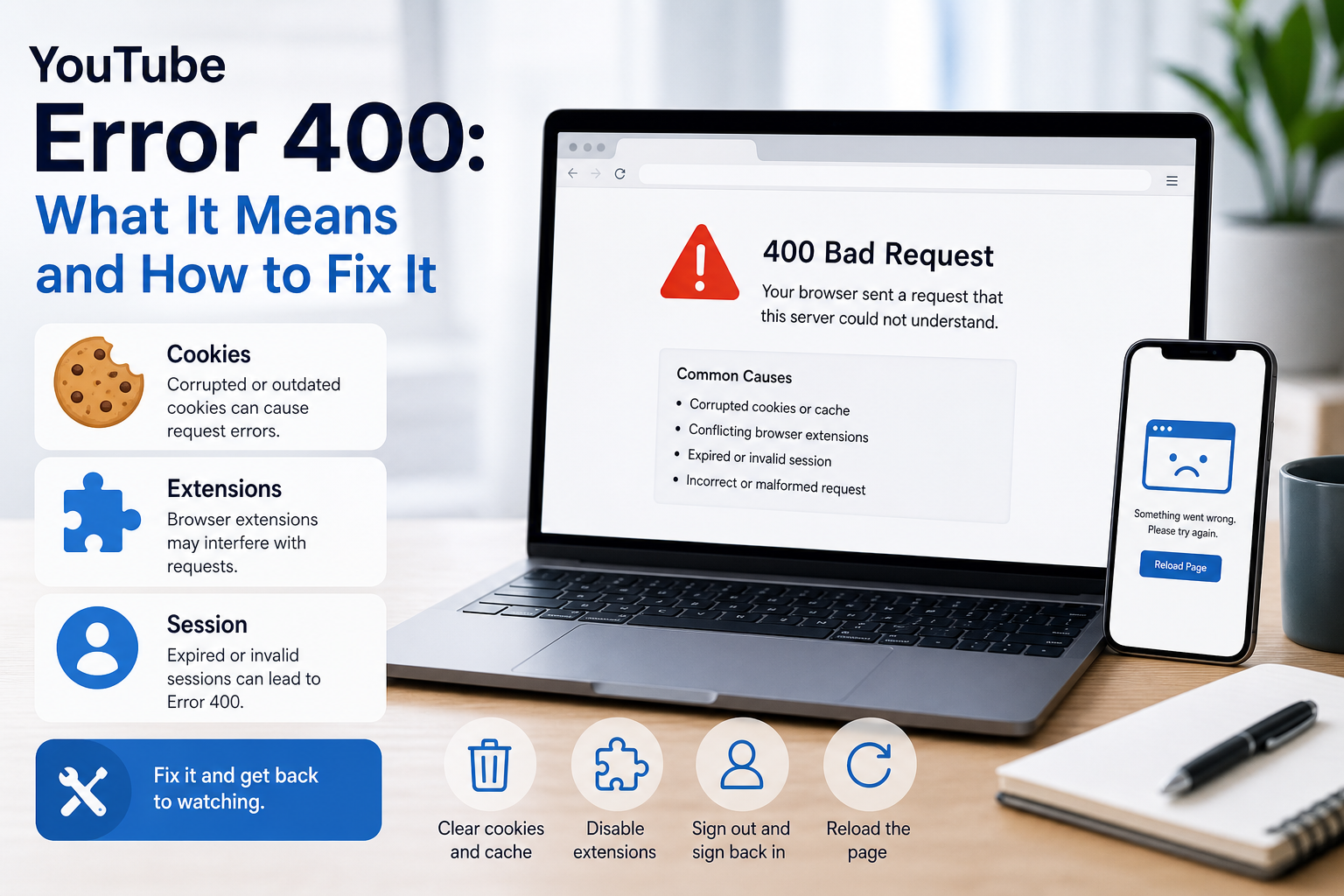
YouTube Error 400: What It Means and How to Fix It
In HTTP terminology, a 400 Bad Request is a client-error response. MDN explains that servers commonly return 400 when they consider the request malformed, incorrectly framed, or deceptively routed. The important troubleshooting clue is that repeating the exact same request without changing anything is expected to fail again.
View Details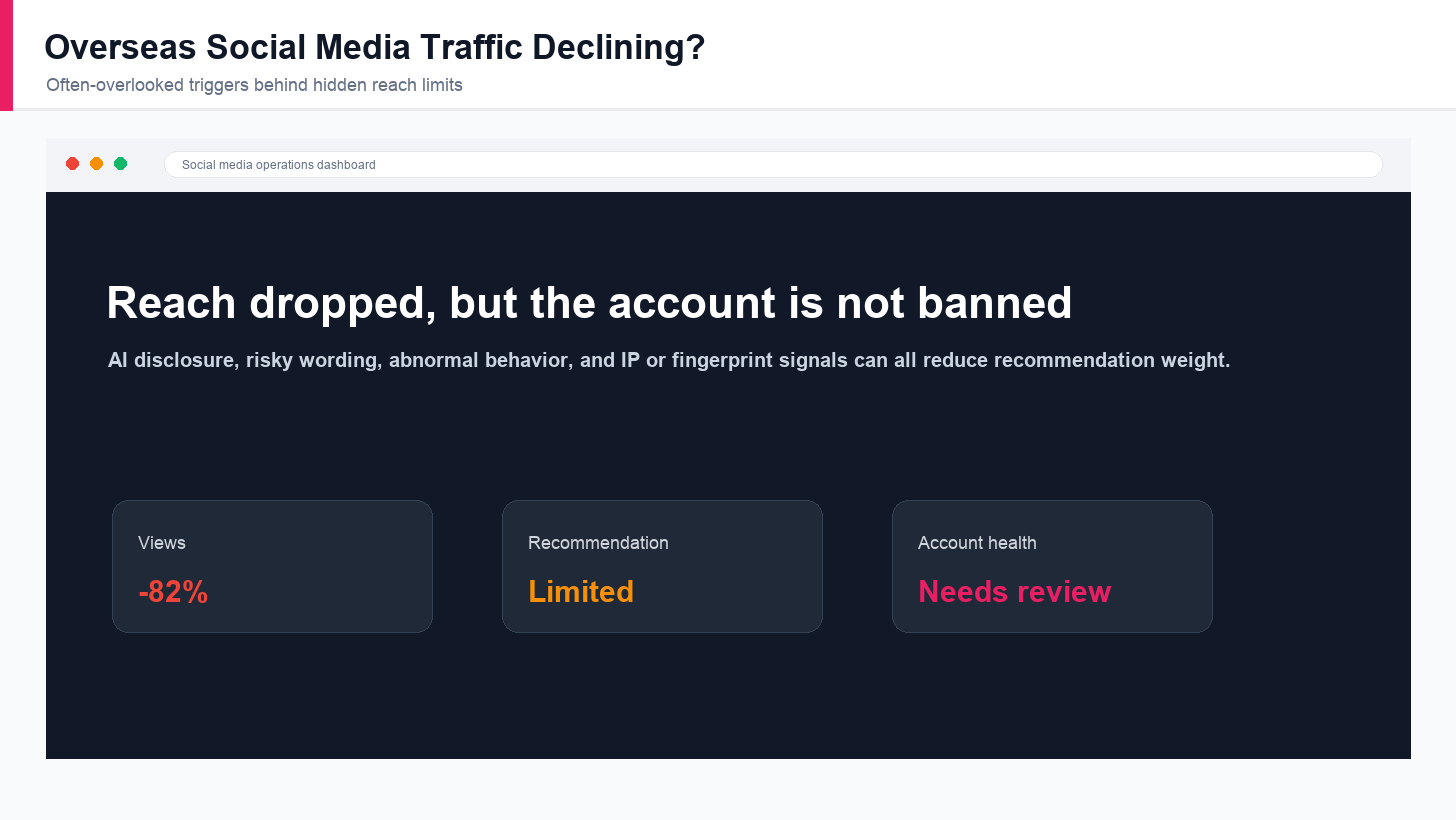
Overseas Social Media Traffic Declining? These Reach-Limiting Triggers Are Often Overlooked
A practical guide to overlooked overseas social media reach drops, covering AI content disclosure, risky wording, abnormal account behavior, hidden reach-limiting signals, and account environment checks.
View Details
How to Add a Server IP in Minecraft Step by Step
Learn exactly where to enter a Minecraft server IP in Java, Bedrock, and Pocket Edition, plus how to fix common connection errors, ports, and edition mismatches.
View Details
How to Find a Working Minecraft Server IP Fast
Stop wasting time on dead Minecraft server IPs. Learn how to verify live servers quickly, read status icons, check ports, and source updated server addresses.
View Details
Best 24/7 Online Minecraft Server IPs — No Downtime
Find reliable 24/7 Minecraft server IPs for Java and Bedrock, plus uptime checks, port basics, ping guidance, crossplay notes, and network stability tips.
View Details