
Dark Web Browsers in 2025: Updated Manual for New Users
Dark Web Browsers in 2025: Updated Manual for New Users
Dark Web Browsers often sound like tools reserved for hackers, but in 2025, they are specialized utilities used by researchers, journalists, and privacy advocates to access hidden infrastructure. This updated manual focuses on the mechanics of these browsers, how they differ from standard web tools, and how to navigate the risks involved. We will examine the Tor Browser, the role of dark web search engines, mobile limitations, and why enterprise teams often prefer data infrastructure over manual browsing.
Use LycheeIP to test rotating proxies
What is a dark web browser and how is it different from a normal browser?
A dark web browser is a specialized application designed to connect to overlay networks like Tor, allowing users to resolve .onion addresses while attempting to anonymize the connection.
While a normal browser (like Chrome or Edge) connects directly to a server’s IP address using standard DNS, dark web internet browsers route traffic through a volunteer network of relays. This "onion routing" wraps data in layers of encryption, peeling them off one by one at each node. A critical distinction in the dark web browser vs regular browser debate is that dark web tools intentionally sacrifice speed and modern features (like JavaScript rendering) to prevent fingerprinting. If a dark web app loaded pages exactly like Chrome does, it would be trivial to track the user.
What do people mean by “dark web app” or “dark web internet browsers”?
When users search for a dark web app, they are usually looking for a mobile wrapper or a desktop client that bundles Tor connectivity. Unfortunately, the term "dark web internet browsers" is often used in marketing for low-quality, third-party applications that claim to offer "enhanced" access.
In reality, many unofficial browsers for dark web access found on app stores are insecure. They may fail to update the underlying Tor binaries or, worse, inject ads and trackers into your session. For developers and new users alike, the only trusted "app" is the official Tor Project binary or a strictly vetted fork. Using a random dark web app simply because it has a flashy logo is a fast track to compromising your device.
How do dark web sites and dark web links actually work?
Dark web sites operate on "hidden services" that do not use the public Domain Name System (DNS). Instead, they use cryptographic keys to generate addresses ending in .onion.
These dark web links (e.g., expyuzz4wqqyqhjn.onion) provide end-to-end encryption and location hiding for the server. You cannot open these links in Safari or Firefox without specific configuration. To find content, users rely on a dark web search engine or directories, as Google does not index these pages. However, lists claiming to host the "best dark web websites" are notoriously unreliable, often leading to phishing scams or dead servers.
How does the dark web differ from the deep web in 2025?
The dark web is a small, intentionally concealed slice of the internet that requires specific software to access, whereas the deep web comprises the vast majority of non-indexed data.
The deep web includes everything behind a login screen: your online banking, corporate intranets, medical records, and staging servers. It is boring but massive. The dark web, by contrast, relies on the Tor network (or I2P) to mask the identity of both the visitor and the publisher. Confusion often arises, but remember: you use a regular browser for the deep web; you need Dark Web Browsers for the dark web.
Why do you need the Tor network instead of a regular browser?
You need the Tor network because standard internet protocols rely on IP addresses that reveal your location and identity. Browsers for dark web access are built to bounce traffic through three distinct nodes:
- Guard Node: Knows your IP but not what you are visiting.
- Middle Node: Knows nothing about you or the destination.
- Exit Node: Delivers the traffic to the site but doesn't know who sent it.
A free dark web browser like Tor automates this path selection. Attempting to configure a standard browser to proxy through Tor manually is dangerous; it often leaks DNS requests or leaves distinct browser fingerprints that defeat the purpose of using the Tor network in the first place.
What is dark web distribution and why are stats so fuzzy?
Dark web distribution refers to the geographical and topical spread of hidden services and their users. However, because Dark Web Browsers are designed to be opaque, accurate statistics are nearly impossible to verify.
Security vendors often publish reports on dark web distribution, claiming X% of traffic comes from a specific country. These numbers usually rely on "Exit Node" traffic analysis or voluntary metrics. The reality is that dark web internet browsers are used globally, from journalists in restrictive regimes to cybercriminals in tech hubs. For data teams, this lack of clarity is why browsers for dark web research are less effective than programmatic monitoring.
Use LycheeIP to test rotating proxies
How should new users prepare before installing any dark web browser?
New users should treat Dark Web Browsers as hazardous materials handling tools: necessary for specific jobs but dangerous if mishandled.
Before you download a dark web browser for mac or Windows, define your objective. If you are looking for specific threat intelligence, verify if you can get that data via a dark web search engine that proxies results to the clear web (like Ahmia). If you must browse directly, ensure your operating system is patched.
Which basic safety rules matter more than the tool you pick?
Even the best dark web websites can host malicious scripts. Follow these non-negotiable rules regardless of which dark web internet browsers you use:
- Isolation: Never use your primary work computer if possible. Use a VM or a dedicated laptop.
- Identity Hygiene: Never log into personal email, banking, or social media while the Tor browser is open.
- No Downloads: Avoid downloading files (PDFs, docs) from dark web links. They often contain "beacons" that ping back to a server outside the Tor network, revealing your real IP.
- Script Blocking: Keep your browser in the safest mode (NoScript enabled) to block JavaScript exploits.
Why can’t you completely hide your identity on the dark web?
You cannot completely hide your identity because Dark Web Browsers only anonymize the connection, not your behavior or your hardware.
Sophisticated adversaries use timing analysis (correlating when data enters and leaves the network) to de-anonymize users. Furthermore, if you type your real name into a form on dark web sites, no browser can protect you. Anonymity is a process, not a software feature. Relying solely on a free dark web browser without operational security (OpSec) discipline creates a false sense of safety.
Which dark web browsers are safest for new users in 2025?
The Tor Browser remains the gold standard for access in 2025 due to its rigorous auditing and rapid security patches.
While you will find many alternatives marketed as browsers for dark web access (especially on mobile), most are inferior forks. When evaluating a dark web browser vs regular browser, the key metric is not speed, it is "linkability." The Tor Browser is engineered to make every user look identical (same window size, same fonts), which makes you harder to single out.
How does Tor Browser compare to other browsers for dark web access?
| Feature | Tor Browser (Official) | Brave (Tor Mode) | "Dark Web App" Wrappers |
| Network | Tor Network (Native) | Tor Network (Integrated) | varies (often outdated Tor) |
| Fingerprinting | Excellent protection | Good, but unique fingerprint | Poor / High Risk |
| Safest Mode | Granular slider | Standard shields | Rarely available |
| Recommended For | Dark web sites & research | Casual privacy | Avoid completely |
Brave offers a "Tor window," which is convenient for checking a specific link, but for dedicated research on dark web links, the official Tor Browser provides stronger isolation.
What about a free dark web browser vs paid or managed options?
A free dark web browser is sufficient for 99% of users. In fact, "paid" browsers are often scams. The Tor Project is open-source and free.
However, enterprises often pay for "managed browsing environments." These aren't paid dark web internet browsers, but rather cloud-hosted desktops that come pre-configured with Tor Browser and strict firewalls. This shifts the risk away from the company's local network. If you see an ad for a "premium dark web app," it is likely snake oil.
How do Tor Browser, VPNs, and timing analysis fit together?
Tor Browser, VPNs, and timing analysis form a complex triangle of privacy and risk.
Using a VPN with Tor is a debated topic. The "Tor over VPN" method (connecting to VPN, then opening Tor) hides the fact that you are using the Tor network from your ISP. However, it does not stop timing analysis attacks executed by global adversaries who monitor traffic flows at a massive scale.
What is “tor over vpn” and when does it help or hurt?
Tor over VPN helps prevents your Internet Service Provider (ISP) from seeing that you are connecting to Tor entry nodes. In some countries, simply using browsers for dark web access is flagged as suspicious. A VPN masks this initial handshake.
However, it can hurt if the VPN provider logs your traffic or if the connection drops. It also adds latency to an already slow connection. If you use tor over vpn, ensure your VPN has a strict no-logs policy and a kill-switch. Do not assume this makes you invisible to high-level timing analysis.
How does timing analysis weaken even the safest mode?
Timing analysis is a statistical attack where an observer watches traffic entering the Tor network and traffic exiting it. By matching the timing and size of data packets, they can probabilistically link a user to a destination.
Even if you run your browser in safest mode (disabling all scripts and media), timing analysis occurs at the network level. This is a fundamental weakness of low-latency anonymity networks. For casual users visiting dark web sites, this is rarely a threat. For high-value targets, it is a critical vulnerability that no dark web app can patch.
Which dark web browsers work best on Android, iOS, and macOS?
The ecosystem for dark web browsers for android and iOS is filled with imposters. Stick to verified open-source projects.
On desktop, a dark web browser for mac is functionally similar to Windows, but the operating system's telemetry is a concern. Mobile devices are generally less private than desktops due to constant background processes and geolocation services.
What should you know about a dark web browser for android or iOS?
For Android, the official Tor Browser is available and recommended. It routes traffic correctly and receives security updates. There are many other dark web browsers for android, but few have the track record of the official app.
iOS is more restrictive. The Tor Project recommends "Onion Browser," which is open-source and trusted, though it cannot offer the same level of strict isolation as a desktop due to Apple’s WebKit rules. Be wary of any dark web browser for ios that charges a subscription fee just to access dark web links. Avoid apps promising lists of the best dark web websites; they are often ad-farms.
How do you treat a dark web browser for mac or desktop differently?
A dark web browser for mac should ideally be run in a separate user account or a Virtual Machine (VM). MacOS sends significant telemetry to Apple; running Tor Browser inside a Linux VM on your Mac provides a better buffer.
On desktop, you have more control over the safest mode settings and network firewall rules compared to mobile. If you are serious about investigating dark web distribution or content, do it on a desktop environment where you can control the background processes.
Use LycheeIP to test rotating proxies
How can teams use dark web browsers safely for research and monitoring?
Security and data teams often need to track stolen credentials or brand abuse on dark web sites. However, asking analysts to manually browse via Tor Browser is inefficient and risky.
Manual browsing exposes the endpoint to malware and creates psychological burnout for analysts exposed to disturbing content. This is where infrastructure providers like LycheeIP become relevant. Instead of manual browsing, teams can build automated scrapers using residential or datacenter proxies to collect public data legally and safely.
What extra guardrails do SOC, fraud, and growth teams need?
If your team must use browsers for dark web research manually, implement these guardrails:
- Dedicated Hardware: "Burner" laptops that never touch the corporate LAN.
- Strict Allow-lists: Analysts should only visit pre-approved dark web links.
- Proxy Chains: Use robust proxy infrastructure to mask the entry point further.
- Mental Health Support: Rotational schedules for staff viewing sensitive material.
When is it better to use a dark web monitoring platform instead?
It is almost always better to use a monitoring platform or automated data collection pipeline than to rely on a human using a free dark web browser.
What should you do next if you still need dark web visibility?
If you still need visibility after reviewing the risks of dark web internet browsers, proceed with a plan.
Do not just download a tool and click around. Determine if you need to browse dark web sites manually or if you actually need the data from those sites.
How can you combine dark web search engines, browsers, and monitoring tools?
A balanced workflow involves using a dark web search engine (like DuckDuckGo Onion or Ahmia) to locate specific resources, validating them carefully with Tor Browser in a sandbox, and then switching to automated monitoring for long-term tracking.
Use dark web search engines to find the initial dark web links, but verify the PGP keys of any service you plan to monitor. Trust is scarce in this environment.
What is a realistic “safest mode” for 2025 and beyond?
A realistic safest mode for 2025 isn't just a switch in your browser; it's a mindset:
- Use the official Tor Browser (desktop preferred).
- Set the security slider to "Safest" (disabling JS).
- Combine with a high-quality VPN if your threat model requires hiding Tor usage ( tor over vpn).
- Assume timing analysis is possible; keep sessions short.
- For business needs, leverage infrastructure providers like LycheeIP to programmatically access data rather than exposing humans to the browser.
By respecting the technology and the risks, you can navigate the dark web without becoming a statistic.
Comparison: Tor Browser vs. VPN vs. Proxy
| Feature | Tor Browser | VPN | LycheeIP Proxy |
| Primary Use | Accessing dark web links (.onion) | Encrypting entire device traffic | Programmatic data collection/Scraping |
| Anonymity | High (via 3-hop Tor network) | Medium (Trusted 3rd party) | High (IP rotation & pool diversity) |
| Speed | Slow (High latency) | Fast | Fast (High throughput) |
| Best For | Identity protection, Whistleblowing | Public Wi-Fi safety, Geo-spoofing | Teams, Market Research, Scraping |
Use LycheeIP to test rotating proxies
Frequently Asked Questions:
1. Is it illegal to use dark web browsers?
No, using Dark Web Browsers like Tor is legal in most countries. They are privacy tools used by journalists and researchers. However, accessing illegal content (such as illicit marketplaces) on dark web sites is a crime, regardless of the browser you use.
2. What is the safest free dark web browser?
The safest free dark web browser is the official Tor Browser, developed by the Tor Project. It is open-source, peer-reviewed, and updated frequently to address security flaws. Avoid unverified dark web app downloads from third-party stores.
3. Can I use a dark web browser for Android safely?
Yes, you can use a dark web browser for android, specifically the official Tor Browser for Android. However, mobile devices are generally harder to secure than desktops due to location tracking and app permissions. Avoid using "random" browsers for dark web found in the Play Store.
4. Does "Tor over VPN" make me 100% anonymous?
No. While tor over vpn hides your Tor usage from your ISP, it does not make you immune to timing analysis or browser fingerprinting. It adds a layer of privacy but does not guarantee total anonymity on dark web internet browsers.
5. How do I find links if Google doesn't work?
You need a specialized dark web search engine like Ahmia, Torch, or DuckDuckGo’s onion service. These engines index dark web links, but they are not as comprehensive as Google. Be cautious, as many results may lead to offline or malicious best dark web websites lists.
6. Why is the dark web so slow?
The dark web is slow because browsers for dark web access route your traffic through at least three different volunteer relays around the world to hide your location. This "onion routing" process inherently adds latency compared to a direct connection on a regular browser.

Recommended Articles
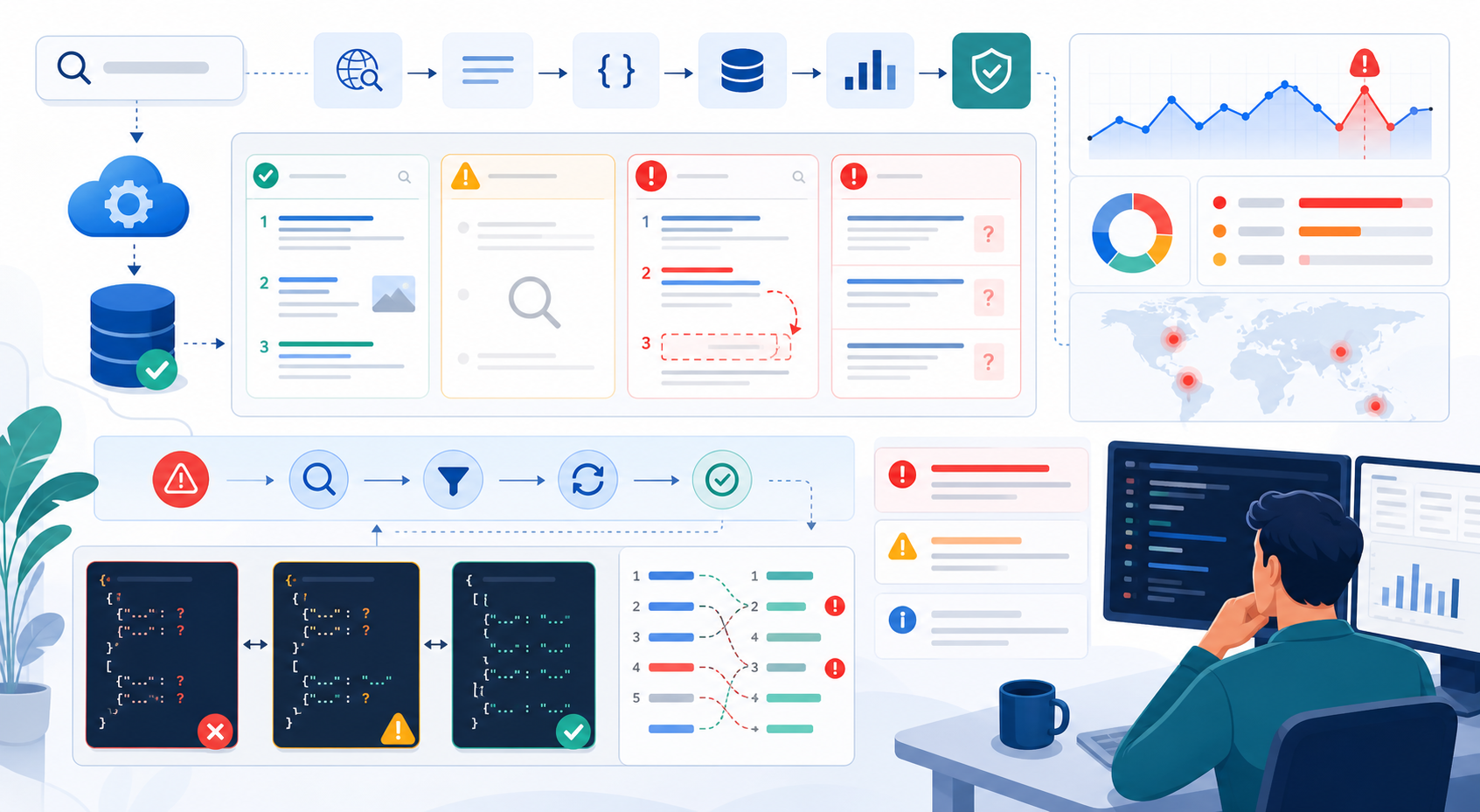
SERP API Troubleshooting: Fix Empty, Wrong, or Inconsistent Search Results
SERP API failures are not limited to obvious HTTP errors. A request can return successfully and still produce empty, incomplete, geographically wrong, duplicated, or misinterpreted search data. Production troubleshooting therefore has to separate transport problems from provider processing, SERP differences, and downstream parsing errors.
View Details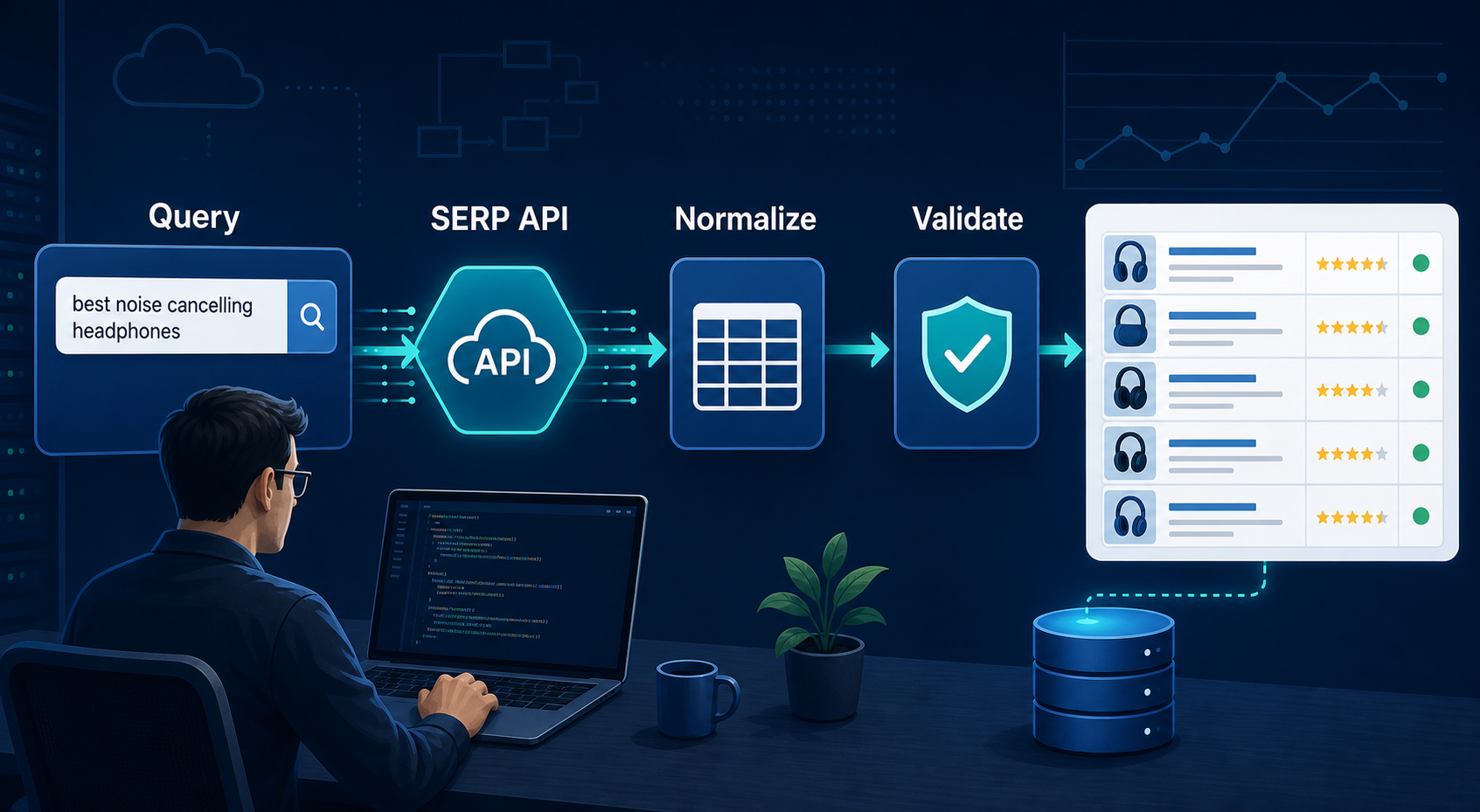
SERP API Python: How to Build a Reliable Search Data Pipeline
This guide shows a provider-neutral workflow for building that pipeline. It does not rank SERP API vendors. Instead, it focuses on the implementation choices that make a Python integration easier to operate, test, and migrate.
View Details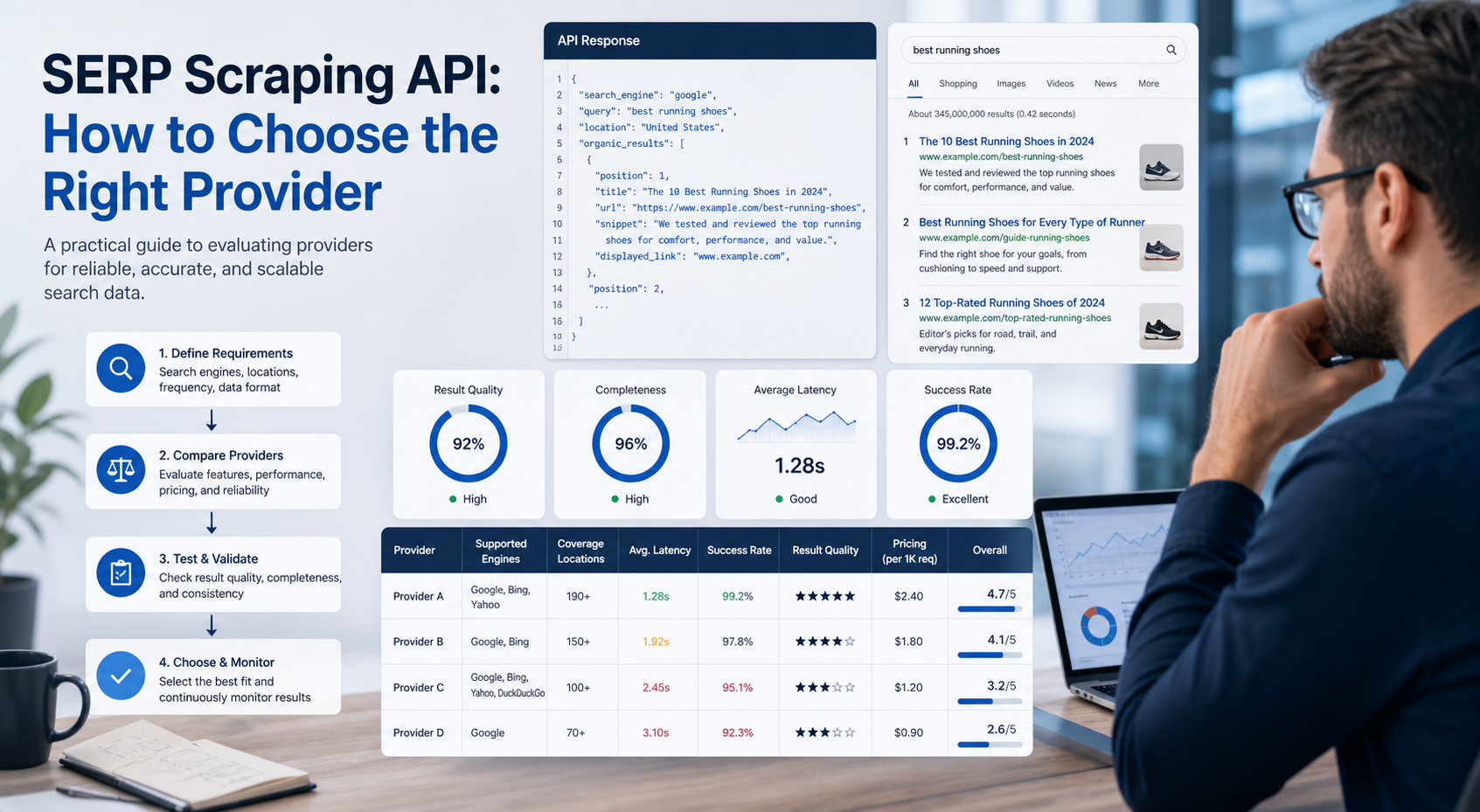
SERP Scraping API: How to Choose the Right Provider
Recommended Meta Description: Compare SERP scraping APIs by data coverage, localization, reliability, workflow fit, and cost structure, then choose and validate the right provider.
View Details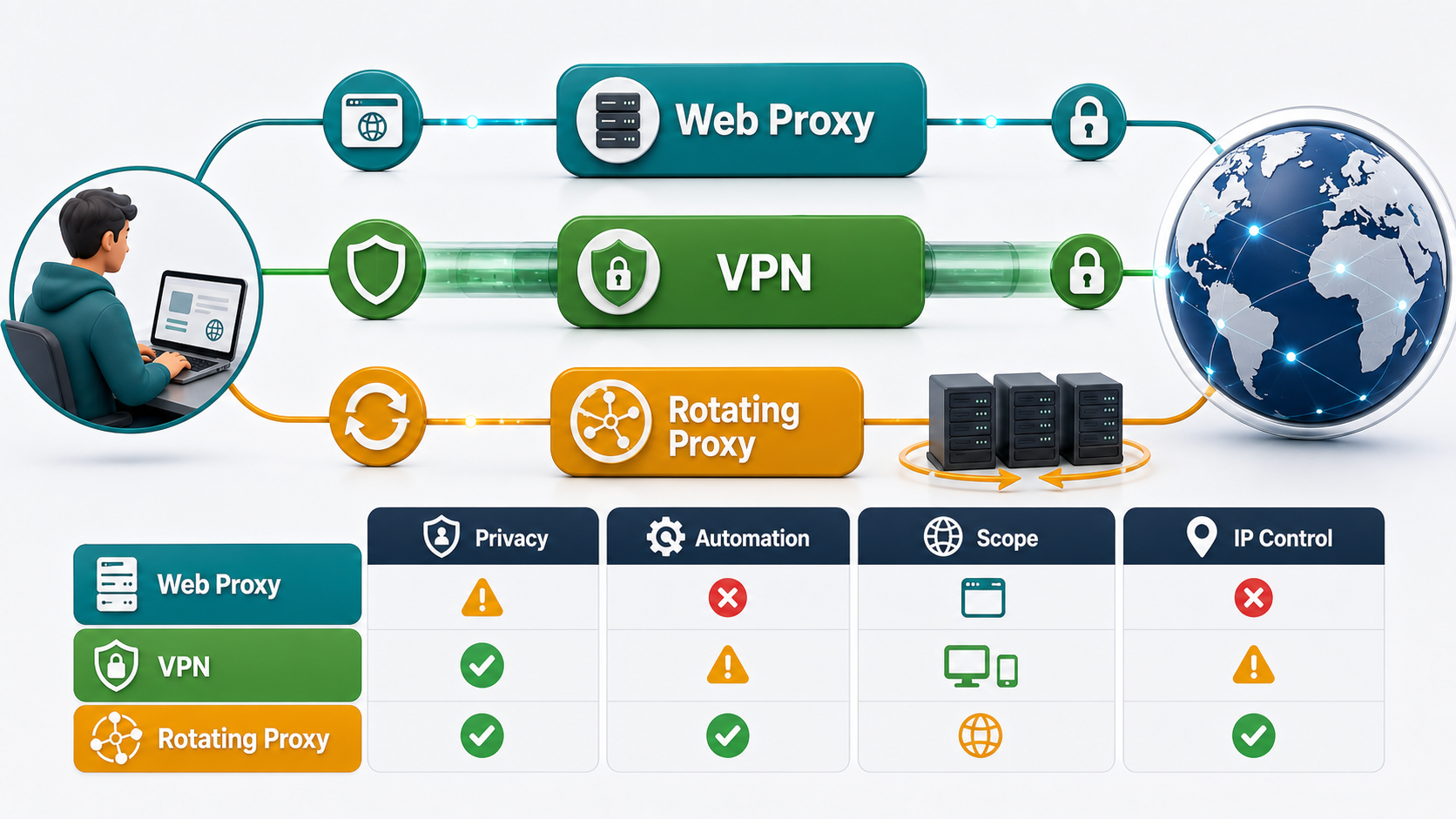
Free Web Proxy vs VPN vs Rotating Proxy: Which Should You Use?
Compare free web proxies, VPNs, rotating proxies, static proxies, and datacenter proxies by scope, encryption, IP control, automation, streaming, and account workflows.
View Details
BlockAway Not Working? Fix Common Proxy, Video, and Access Problems
Troubleshoot BlockAway when pages are blocked, YouTube fails, JavaScript breaks, speed drops, sessions expire, or mobile access behaves differently.
View Details