
VPN for Travel in 2026: Stealth Setup and Security for Global Connectivity
VPN for Travel in 2026: Stealth Setup and Security for Global Connectivity
Travel fundamentally changes your network assumptions. A vpn for travel must do more than just mask your IP; it has to survive hostile hotel networks, bypass deep packet inspection (DPI), and maintain stability on fluctuating mobile data.
In 2026, the standard has shifted. Simply having an "encrypted tunnel" isn't enough when restrictive countries and corporate firewalls can fingerprint and throttle standard VPN protocols. This guide covers how to choose and configure a travel VPN that stays invisible and functional.
Explore LycheeIP’s proxy pools
What makes a vpn for travel different in 2026?
A travel-ready VPN prioritizes resilience over raw theoretical speed. While a home VPN might focus on 4K streaming, the best vpn for travel 2026 must handle UDP blocking, airport throttling, and protocol-specific interference.
Best vpn for travelers: the 5 non-negotiables
If you are evaluating options for the best vpn for international travel, ensure they meet these technical requirements:
- Obfuscation/Stealth: The ability to disguise VPN traffic as regular HTTPS web traffic.
- WireGuard Support: Modern, high-performance protocol that preserves mobile battery life.
- TCP/443 Fallback: A "fail-safe" mode that routes traffic through the same port as standard web browsing.
- Kill Switch: Automatically cuts data if the VPN drops to prevent leaks on public Wi-Fi.
- Multi-Device Management: Capability to protect your phone, laptop, and tablet simultaneously.
Which “stealth VPN” features work in restrictive countries?
Using a vpn in restrictive countries requires more than basic encryption. Advanced firewalls use DPI to identify the "shape" of your data. If the firewall sees OpenVPN or WireGuard signatures, it drops the connection.
How obfuscation blends in as normal traffic
Obfuscation works by wrapping your VPN data in an additional layer of "noise" or a standard web protocol.
- WireGuard-over-QUIC: By wrapping traffic in QUIC (the backbone of HTTP/3), providers like Mullvad make VPN data look like modern web browsing.
- MASQUE Tunneling: This emerging standard allows for efficient tunneling over HTTP/3, making it significantly harder for network admins to distinguish between a secure tunnel and a standard website visit.
- Proprietary Transports: Some providers use custom solutions (like AdGuard’s TrustTunnel) specifically engineered to resist DPI-based blocking.
Which option is better: personal vpn for travel, consumer VPN, or a proxy?
The choice depends on whether you need device-wide security or high-performance data access for professional tasks.
| Method | Best For | Tradeoffs |
| Consumer VPN | General browsing, streaming, and public Wi-Fi. | Shared IPs can be flagged by banks or sites. |
| Personal VPN | High privacy; you own the server and the IP. | Requires technical setup and maintenance. |
| Travel Router VPN | Families or teams with many devices. | Extra hardware to carry and power. |
| Professional Proxy | Scraping, multi-account ops, and fintech. | Application-level, not device-wide encryption. |
How LycheeIP fits for technical teams
While a personal vpn for travel is great for secure browsing, data engineers and multi-account agencies often face different hurdles. If your "travel" involves managing global infrastructure or scraping data, a standard VPN might trigger fraud flags due to shared, "dirty" IP pools.
LycheeIP provides the professional-grade infrastructure that picks up where consumer VPNs leave off:
- Clean IP Pools: Each IP undergoes a cooling period of >6 months to ensure high reputation.
- Operator-Direct Resources: Resources are allocated from underlying operators, not resold botnets.
- Extreme Stability: 99.98% network availability for critical ops.
- Real-Time Monitoring: Track usage via a web dashboard or a simple API.
- Developer-First: Support for HTTP/S and SOCKS5 protocols with unlimited concurrency on dynamic residential plans.
Pro Tip: Use a VPN for your laptop's general security, but use a dedicated proxy service like LycheeIP for automated tasks or managing sensitive accounts to avoid "impossible travel" flags.
Explore LycheeIP’s proxy pools
How do you set up a vpn for travel before you leave?
Never wait until you land to install your software. Many restrictive countries block access to VPN provider websites entirely.
Pre-trip checklist
- Install on all devices: Don't forget your tablet or backup phone.
- Test "Stealth" at home: Switch to obfuscated mode and ensure you can still browse.
- Favorite 3 Servers: Save a "Home" server (for banking), a "Local" server (for speed), and a "Neutral" third-country server.
- Check for Leaks: Use a tool like IPLeak.net to ensure your DNS isn't leaking your real location.
- Short term VPN for travel: If you only need it for a week, verify if the provider offers a 7-day trial or a monthly "no-contract" plan.
Troubleshooting: Common VPN Failures Abroad
| Failure | Likely Cause | Fix |
| Connected but no internet | DNS Block or MTU issue | Change DNS to 1.1.1.1 or reduce MTU size in settings. |
| VPN won't connect at all | Port 1194/51820 blocked | Switch protocol to TCP/443 or "Stealth" mode. |
| Hotel login page won't load | VPN is "trapping" the redirect | Disable VPN, log in to hotel Wi-Fi, then re-enable. |
| Banking app blocked | IP is flagged as a "VPN" | Use a dedicated static IP or a residential proxy. |
Assumptions & Limitations
- Speed: Stealth protocols often introduce 10–20% latency overhead compared to "naked" WireGuard.
- Legality: Always check local laws; in some jurisdictions, using a VPN to bypass government filters is a legal gray area.
- Streaming: No VPN guarantees 100% uptime for all streaming services, as platforms constantly update their blocklists.
Explore LycheeIP’s proxy pools
Frequently Asked Questions:
1. Is a vpn for travel necessary?
Yes, especially for travel vpn for public wifi use. It prevents "man-in-the-middle" attacks at airports and hotels.
2. What is the best vpn for domestic travel?
For domestic trips, a standard high-speed provider with a wide server network is sufficient.
3. Can I use a free Vpn for travel?
It is risky. Many free services sell your data or lack the stealth features needed for restrictive networks.
4. Does a vpn for flights save money?
Occasionally, changing your IP to a lower-income region can show lower airfares, but this is increasingly rare as airlines use more sophisticated tracking.
5. How do I handle hotel Wi-Fi with a travel router vpn?
Connect the router to the hotel Wi-Fi, complete the login (captive portal) via a connected phone, and then initiate the VPN tunnel on the router itself.
6. What is a private vpn?
This usually refers to a self-hosted VPN (like WireGuard on a VPS) that provides you with a dedicated, unshared IP address.

Recommended Articles

SERP API Troubleshooting: Fix Empty, Wrong, or Inconsistent Search Results
SERP API failures are not limited to obvious HTTP errors. A request can return successfully and still produce empty, incomplete, geographically wrong, duplicated, or misinterpreted search data. Production troubleshooting therefore has to separate transport problems from provider processing, SERP differences, and downstream parsing errors.
View Details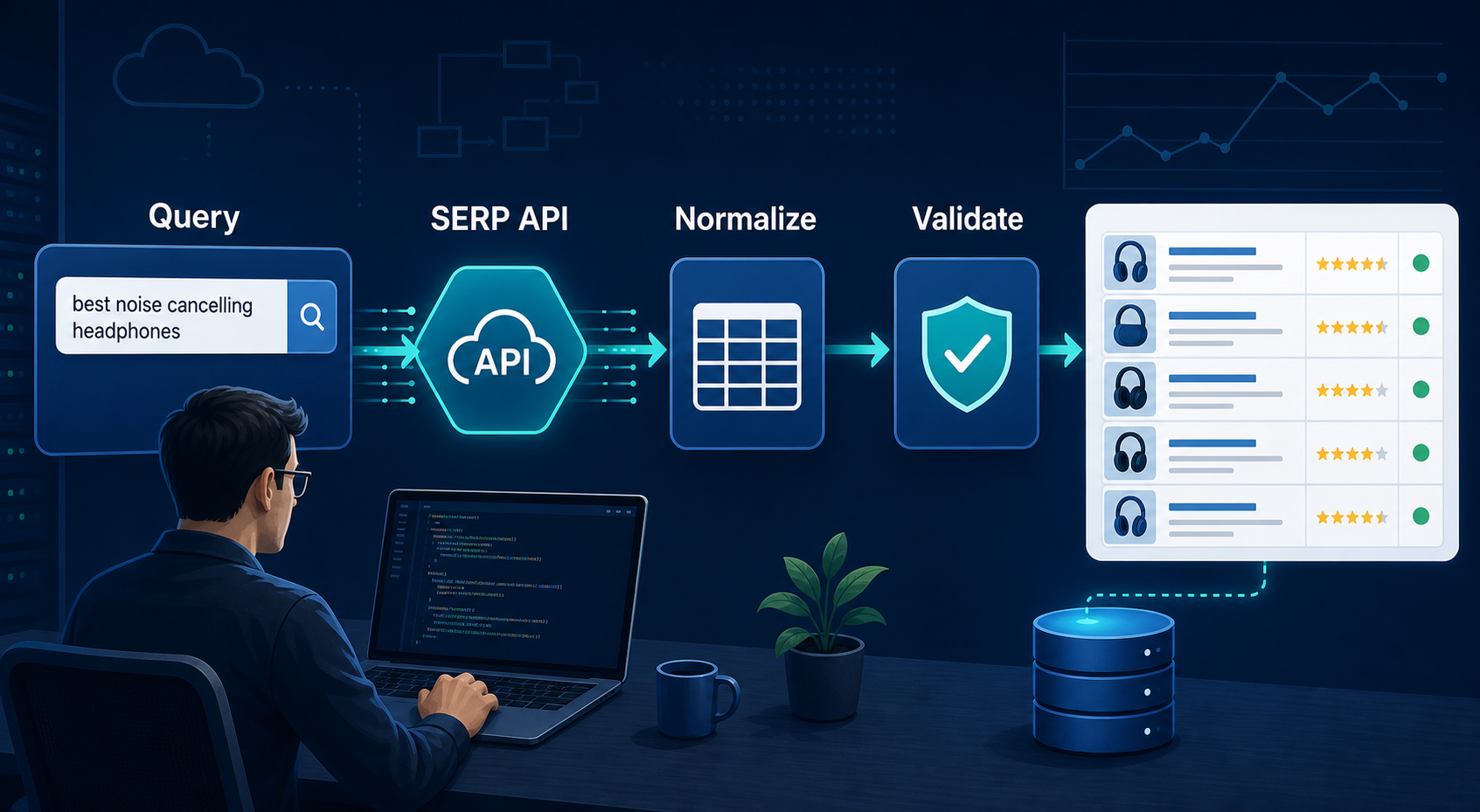
SERP API Python: How to Build a Reliable Search Data Pipeline
This guide shows a provider-neutral workflow for building that pipeline. It does not rank SERP API vendors. Instead, it focuses on the implementation choices that make a Python integration easier to operate, test, and migrate.
View Details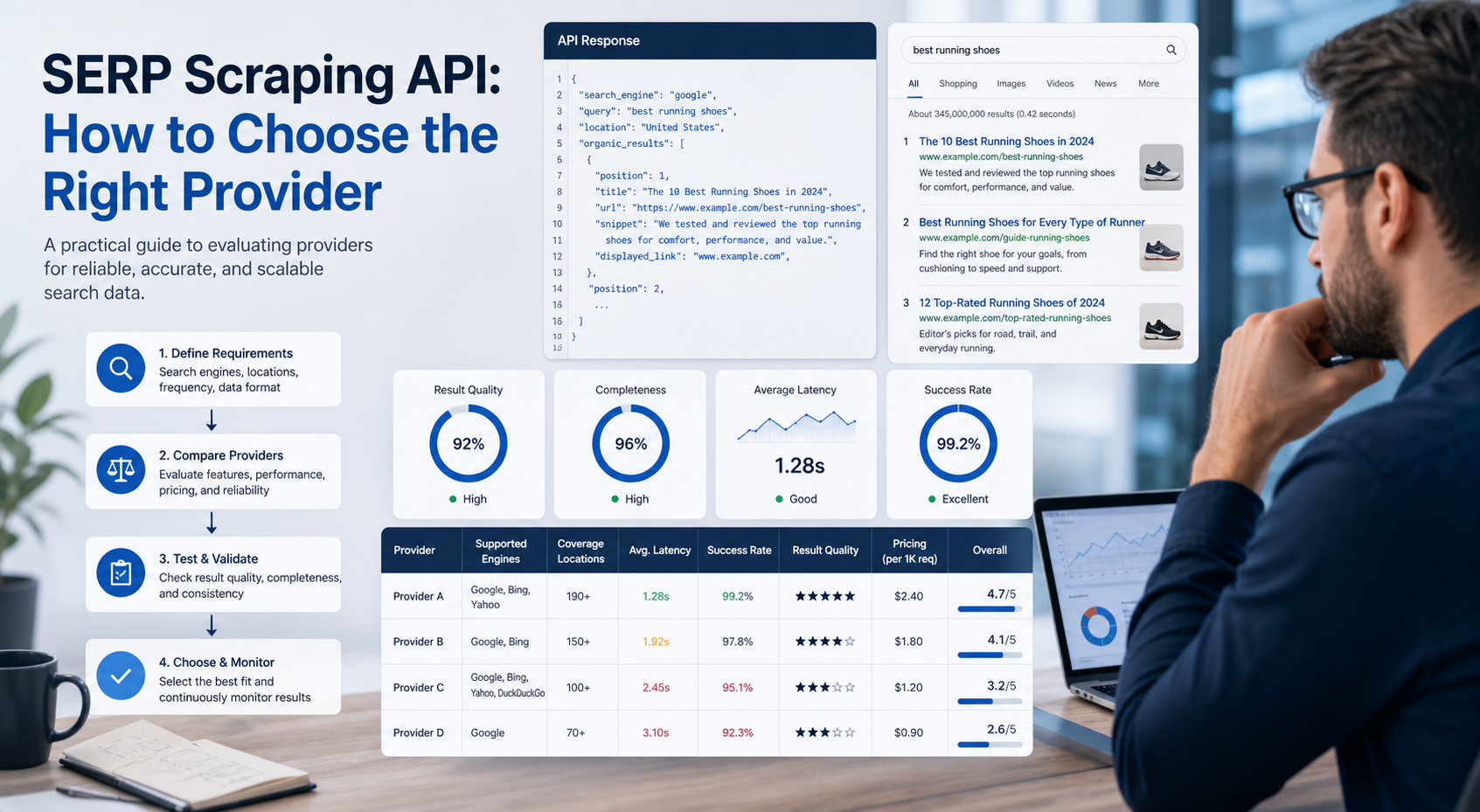
SERP Scraping API: How to Choose the Right Provider
Recommended Meta Description: Compare SERP scraping APIs by data coverage, localization, reliability, workflow fit, and cost structure, then choose and validate the right provider.
View Details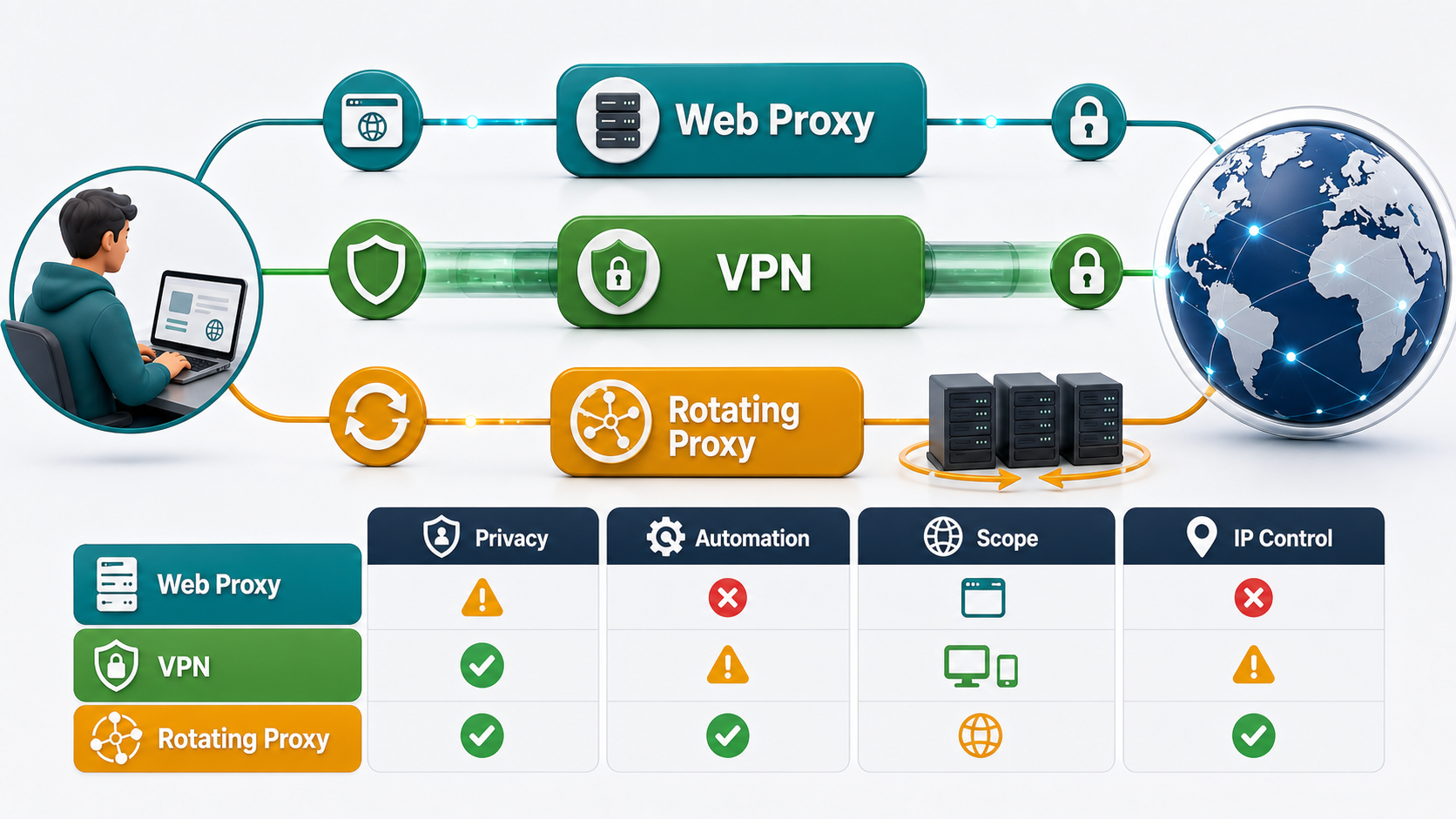
Free Web Proxy vs VPN vs Rotating Proxy: Which Should You Use?
Compare free web proxies, VPNs, rotating proxies, static proxies, and datacenter proxies by scope, encryption, IP control, automation, streaming, and account workflows.
View Details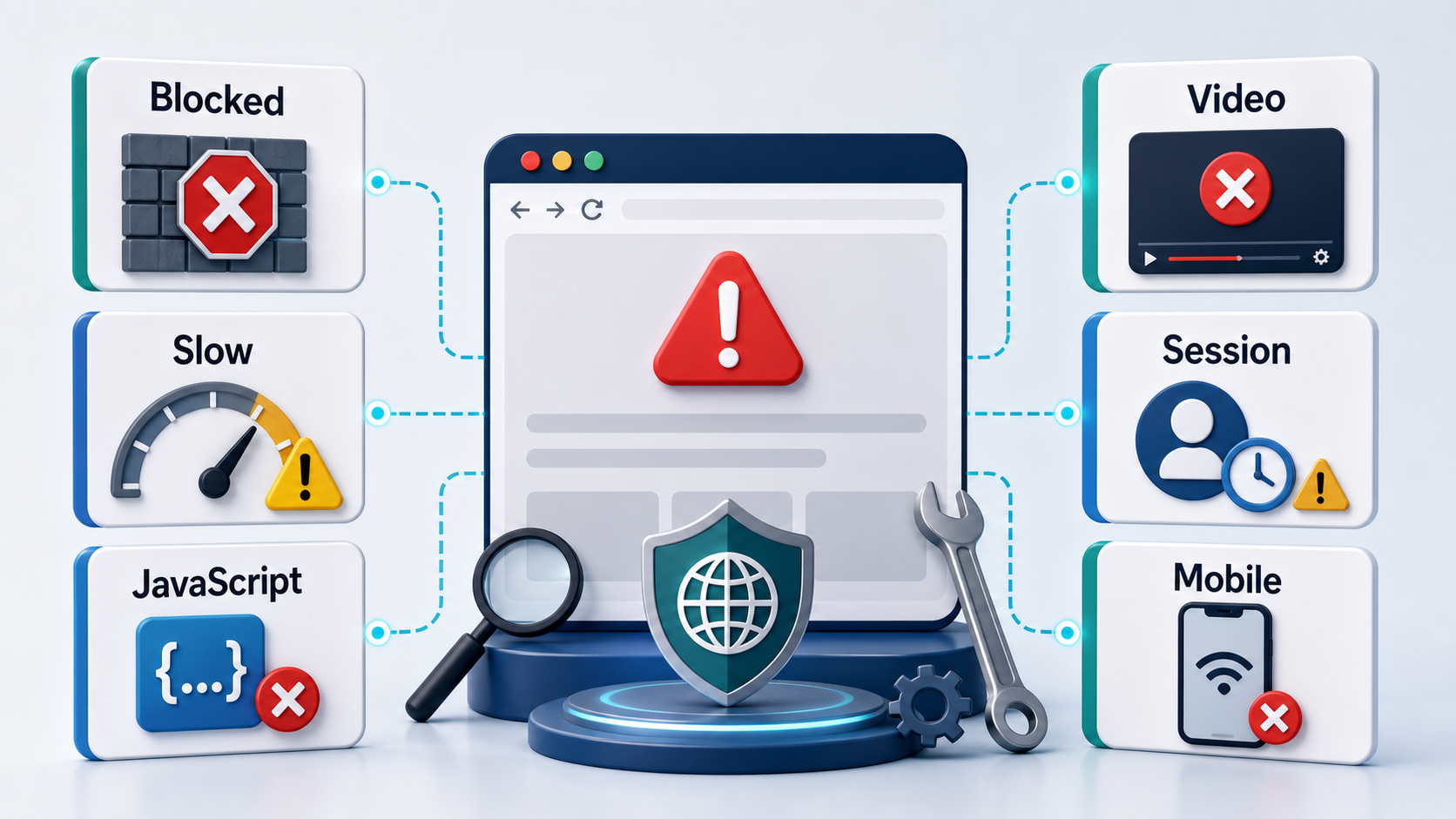
BlockAway Not Working? Fix Common Proxy, Video, and Access Problems
Troubleshoot BlockAway when pages are blocked, YouTube fails, JavaScript breaks, speed drops, sessions expire, or mobile access behaves differently.
View Details