
Bright Data vs. Oxylabs (2025): A Side‑by‑Side Comparison — and When LycheeIP Is the Better Fit
Bright Data vs. Oxylabs (2025): A Side‑by‑Side Comparison — and When LycheeIP Is the Better Fit
When it comes to enterprise-grade web data collection, two names consistently dominate the conversation: Bright Data and Oxylabs. Both are premium, full-stack vendors that offer massive proxy networks and sophisticated scraping APIs. For large-scale projects, either can be a powerful choice.
However, choosing between them or deciding if a more flexible alternative is a better fit requires a deep, practical understanding of their ecosystems. As experts who provide the foundational proxy infrastructure for data teams of all sizes, we at LycheeIP have created this guide. We will compare these two industry giants on the factors that actually matter and show you where a streamlined, developer-first provider like LycheeIP can be a smarter choice for your workload.
Build with LycheeIP’s developer-first proxy layer
At a Glance: Bright Data vs. Oxylabs vs. LycheeIP
Before we dive deep, let's start with a high-level summary of how these two giants and our own solution, LycheeIP, compare.
- On Proxy and Scraping Stacks: Bright Data and Oxylabs both offer a full suite of products, including all major proxy types and their own proprietary scraping APIs and web unlockers. In contrast, LycheeIP focuses on being the best-in-class proxy layer, providing high-quality Residential, ISP, Mobile, and Datacenter proxies that can be paired with any scraping tool you choose, giving you more flexibility and control.
- On Onboarding and Billing: Bright Data and Oxylabs provide a mix of self-serve and sales-assisted onboarding, with pricing models that are often tiered and geared toward enterprise monthly commitments. LycheeIP is built with a developer-first mindset, offering straightforward, transparent plans and quickstart guides that allow you to get started in minutes.
- The Bottom Line: Who Are They Best For?Bright Data is ideal for teams who want a broad, all-in-one suite of data tools. Oxylabs excels for enterprise users who need powerful e-commerce and SERP APIs with batch delivery. LycheeIP is the perfect fit for teams who want best-in-class proxy reliability and clarity without being locked into a single vendor's scraping tools.
Our Expert Framework for Choosing a Data Partner
A successful partnership goes beyond brand names. You should evaluate any provider based on these critical criteria:
- Target Difficulty: How often do your targets serve CAPTCHAs or block requests? Do you need advanced JavaScript rendering?
- Session Model: Do your workflows require short, anonymous requests or long-lived, authenticated sessions?
- Data Shape: Do you need pre-parsed JSON data, or do you have your own parsers and prefer raw HTML?
- Throughput: Are you making real-time requests or can you work with asynchronous batch jobs?
- Governance and Compliance: What are your needs for audit logs, access controls, and data retention?
- Developer Experience (DX): How good are the API docs, SDKs, and error messages?
- Total Cost of Ownership (TCO): The most important metric. Calculate the cost per 1,000 usable rows of data, which includes the tool's fee, proxy traffic, and your team's engineering time.
Build with LycheeIP’s developer-first proxy layer
Bright Data vs. Oxylabs — The Practical Differences
While they seem similar on the surface, here is what our experts have found to be the key differentiators in practice.
1. Network & IP Strategy
Both providers operate massive global networks. However, the raw number of IPs is less important than the practical controls. You should focus on their capabilities for geo-granularity (can you target the specific city or ZIP code you need?), their rotation options (per-request vs. timed sticky windows), and the real-world uptime and latency in your target regions.
- Where LycheeIP helps: We provide clear, predictable controls for IP rotation and sticky sessions, so you can easily implement your desired session strategy without complex configurations.
2. Product Ecosystem
Beyond the network, the next major difference lies in their suite of tools.
- Bright Data offers a very broad catalog, including numerous domain-specific APIs (SERP, e-commerce, social), no-code scrapers, and a managed scraping browser.
- Oxylabs has a strong focus on high-performance e-commerce and SERP APIs, with robust options for batch jobs and parsed data delivery.
- The LycheeIP Angle: If you already have your own parsers or prefer to use open-source scraping frameworks, you can plug LycheeIP proxies into your existing stack. This approach significantly reduces your costs and avoids vendor lock-in.
3. Onboarding & Support
Both Bright Data and Oxylabs offer self-serve and sales-assisted paths. When evaluating them, look for the quality of their trial flows, the clarity of their error messages, and their support SLAs.
- LycheeIP's Approach: We focus on a developer-first experience with clear documentation, quickstart guides, and fast, expert human support to help you tune your rotation, headers, and concurrency.
4. Pricing & Contracts
Finally, both providers are positioned as premium services. You can expect tiered pricing, with some products allowing Pay-As-You-Go and others emphasizing monthly commitments.
- LycheeIP's Approach: We offer transparent pricing and clean plan boundaries, allowing you to start small and scale your usage smoothly and predictably.
The Bottom Line: How to Make Your Decision
- Choose Bright Data if... you want a wide menu of domain-specific APIs and no-code options from a single, all-in-one vendor.
- Choose Oxylabs if... your primary need is enterprise-grade e-commerce and SERP APIs with reliable batch delivery of pre-parsed JSON data.
- Choose LycheeIP if you...✅ Already have your own scrapers and just need a best-in-class, reliable proxy layer, clean, predictable billing and transparent geo-targeting controls, Need to mix different proxy types (e.g., Residential for discovery, ISP for logins) from a single, easy-to-use platform.
How LycheeIP Can Enhance Your Stack
Whether you choose a full-stack vendor or build your own tools, LycheeIP can be the foundational proxy layer that improves your success rate. Many platforms allow you to "Bring Your Own" (BYO) proxies.
A quick connectivity test is simple:
# This command should return your LycheeIP proxy's IP address
curl -x http://USER:PASS@proxy.lycheeip.com:PORT https://ipinfo.io/ip
By using LycheeIP, you gain direct control over your IP rotation patterns, session logic, and geographic routing, often at a more transparent price point.
Build with LycheeIP’s developer-first proxy layer
Frequently Asked Questions (FAQ)
Which is “better,” Bright Data or Oxylabs?
Neither is universally better. The right choice depends entirely on your use case. Bright Data offers a broader suite of tools, while Oxylabs is highly focused on its powerful e-commerce and SERP APIs.
Do I need a scraper API, or just proxies?
If you have your own team of developers who can build and maintain parsers, then a high-quality proxy provider like LycheeIP may be all you need. If you need to get structured, parsed data quickly with minimal engineering effort, a scraper API is a great choice.
What proxy type should I start with?
Our experts recommend starting with Rotating Residential proxies for general public data discovery. Then, use Static ISP proxies for any long-lived or authenticated sessions.
Can I switch vendors later?
Yes, but it can be difficult if you are heavily invested in a proprietary API. By using LycheeIP as your proxy layer from the start, you keep your network configuration portable and avoid vendor lock-in.

Recommended Articles
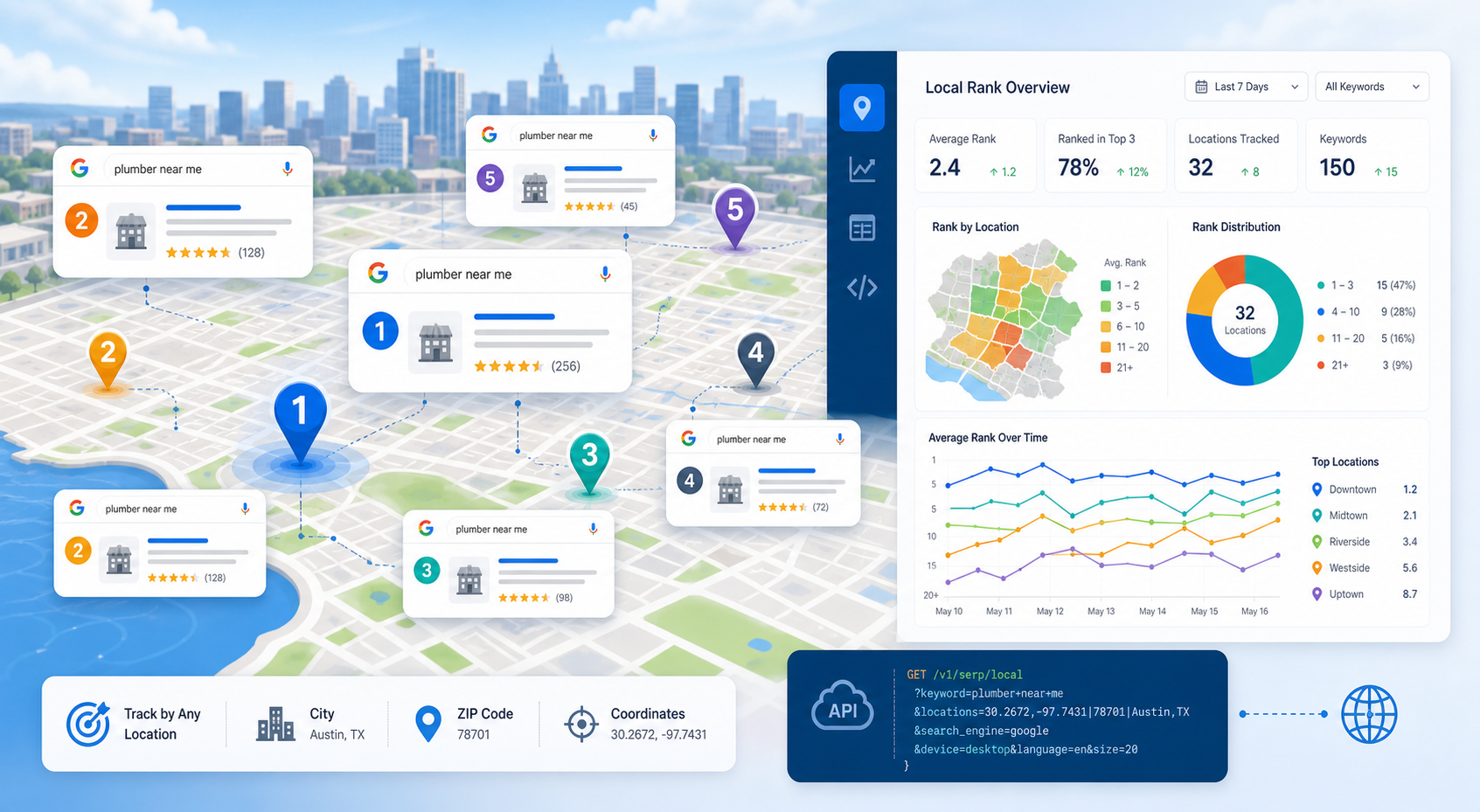
SERP Tracking API: How to Track Local Google Rankings by Location
A SERP tracking API collects search-result positions on a repeatable schedule so SEO teams can measure visibility over time. For local SEO, the useful question is not simply “What rank are we?” It is “What rank are we from this location, on this device, for this result type, at this time?”
View Details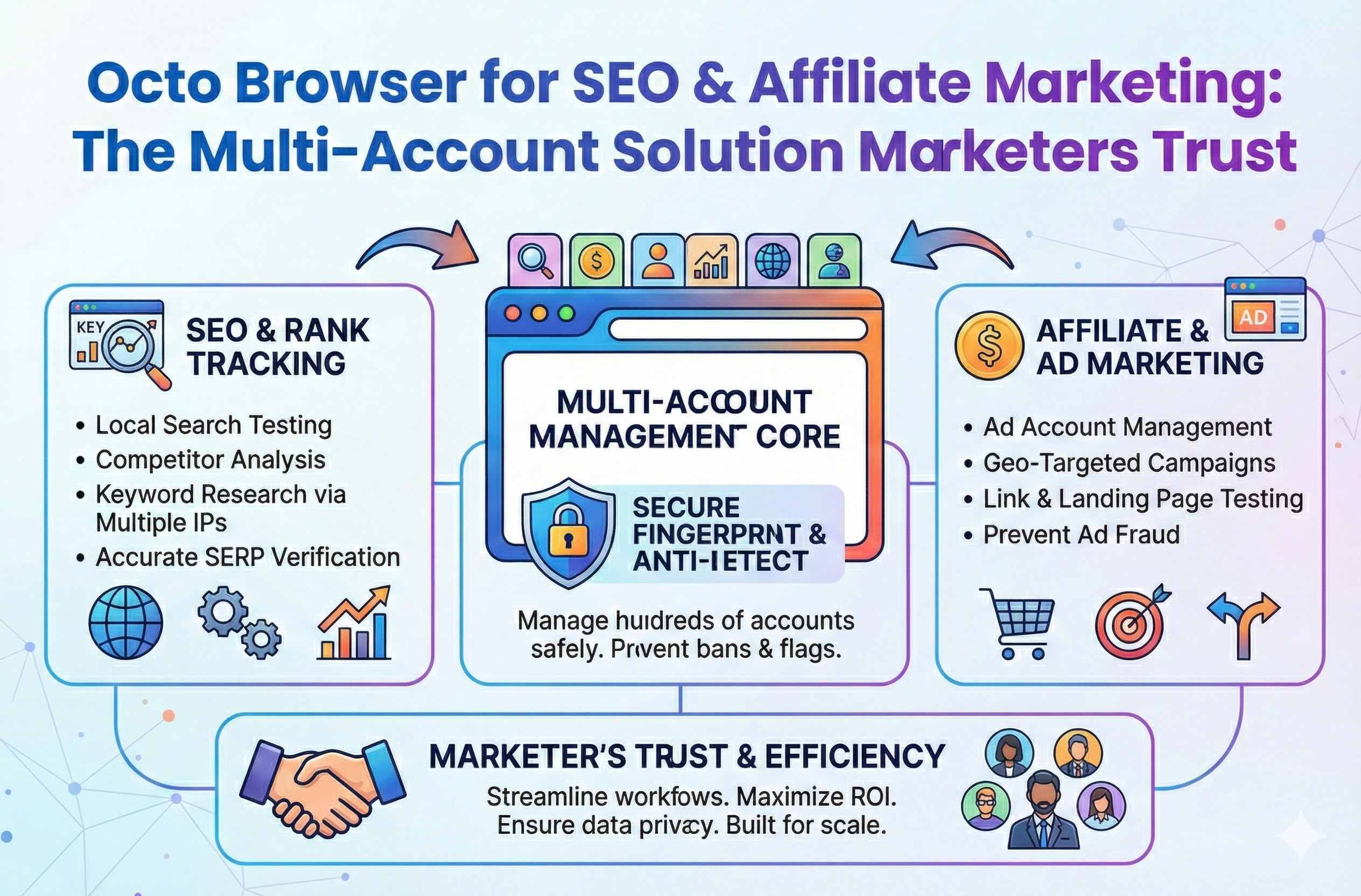
Octo Browser for SEO & Affiliate Marketing: The Multi-Account Solution Marketers Trust
Stop losing your hard earned revenue to sudden account suspensions. Discover how to completely isolate your outreach profiles and scale your campaigns without ever triggering a security flag.
View Details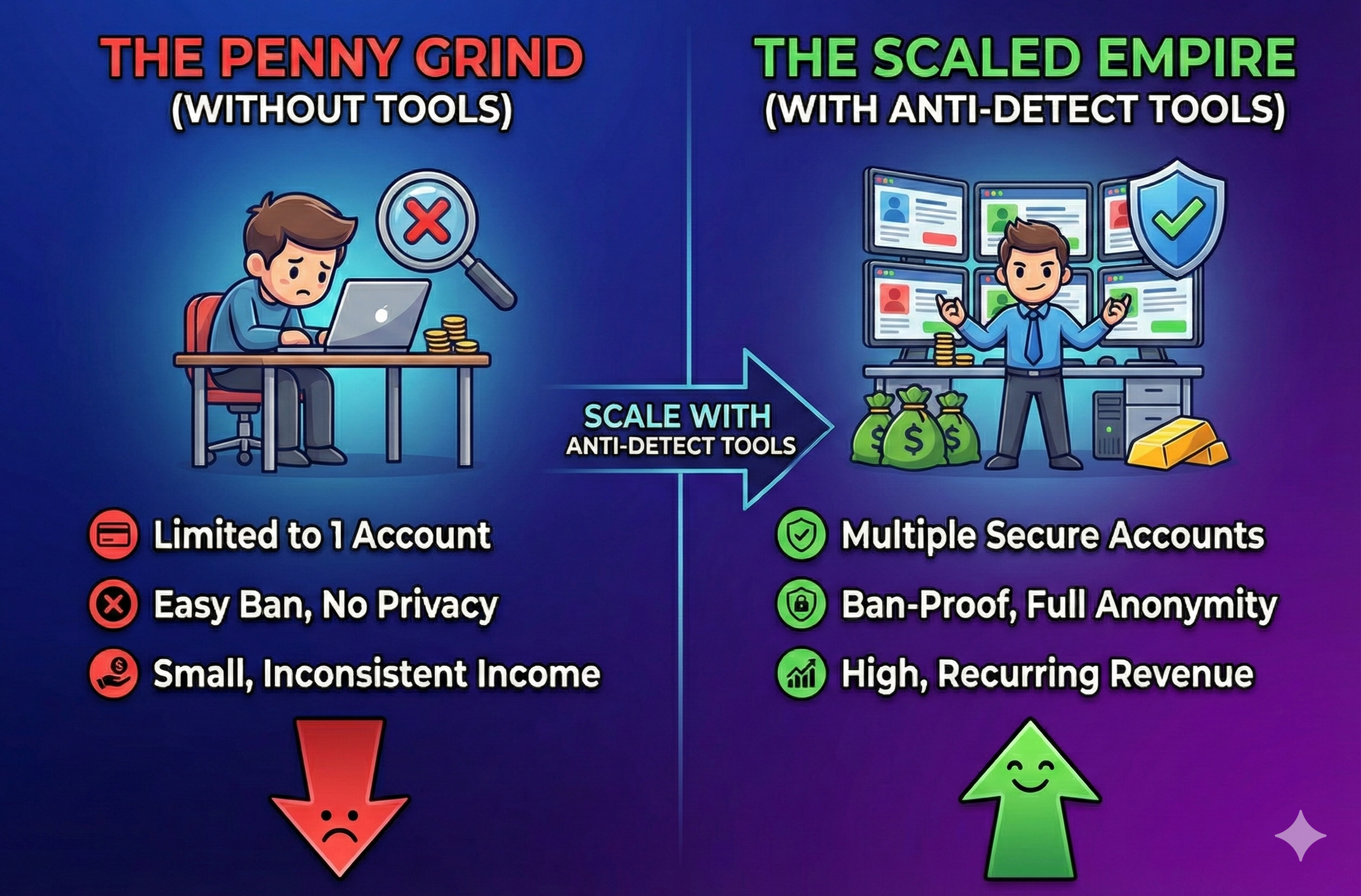
Stop Earning Pennies: Scale with Anti-Detect Tools
Stop letting the fear of account bans limit your business growth. Discover how modern antidetect browsers and clean proxies keep your digital identities isolated so your team can scale securely.
View Details
Google Account Verification Issues: Safe Troubleshooting Guide
If Google asks for verification, use the on-screen challenge or official account-recovery process from a familiar device and stable network. Do not try to bypass verification with purchased accounts, disposable phone numbers, anti-detect tools, or repeated proxy rotation. Those tactics can increase risk signals, violate policy, and make recovery harder.
View Details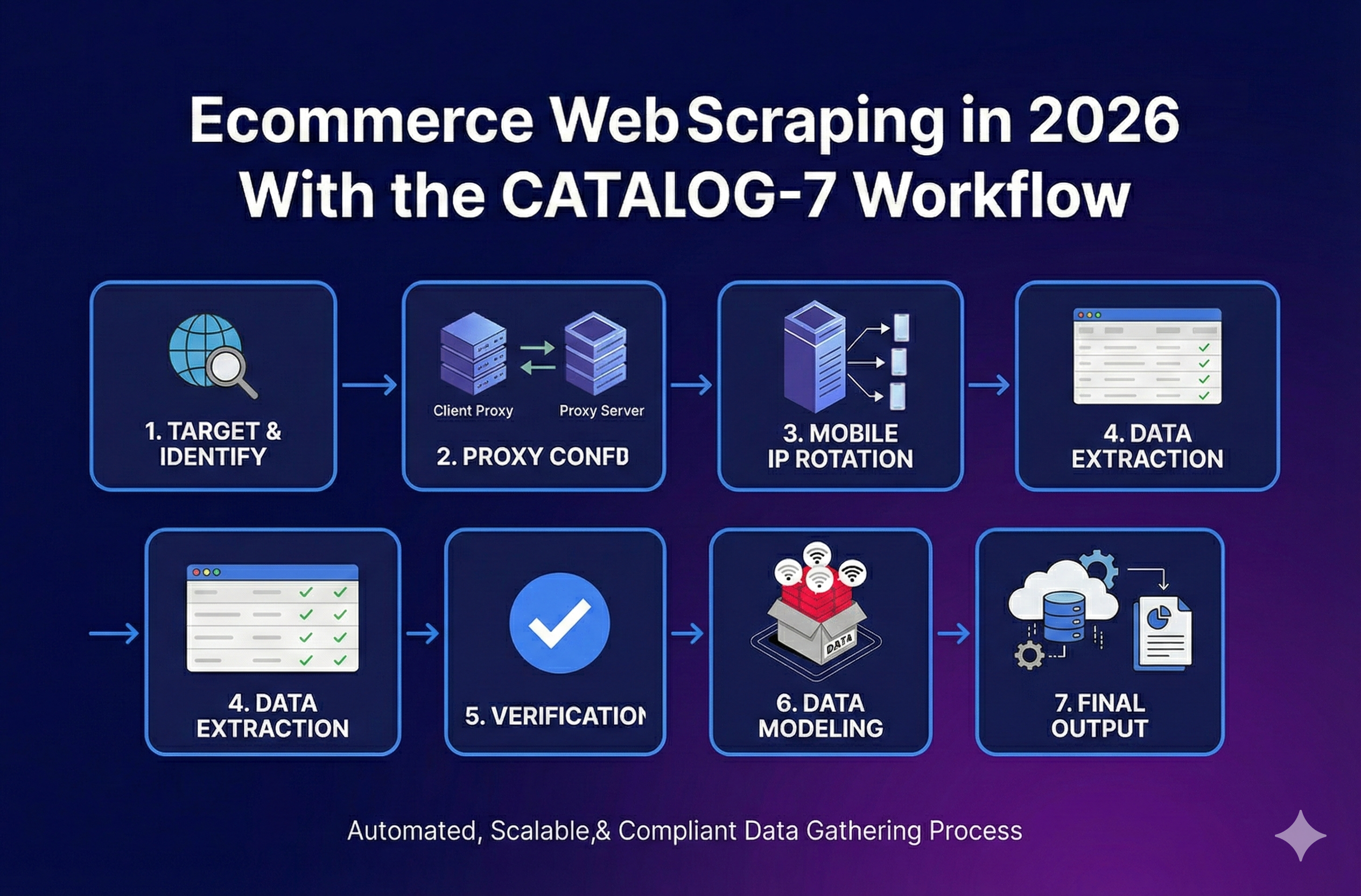
Ecommerce Web Scraping in 2026 With the CATALOG-7 Workflow
Stop broken feeds. Get a reliable ecommerce web scraping workflow, a Python stack picker, and a troubleshooting guide to handle variants and blocks.
View Details