
Why You Need Anti-Detect Browsers in 2026
Why You Need Anti-Detect Browsers in 2026
Your browser is giving away more than you think. Every time you visit a website, you're not just browsing, you're broadcasting a unique digital signature that can identify you across the internet, even when you clear cookies or use incognito mode.
In 2026, digital fingerprinting has evolved into the most sophisticated tracking technology ever deployed. For online entrepreneurs managing multiple accounts, privacy-conscious users, and anyone who values anonymity, understanding anti-detect browsers isn't optional anymore, it's essential.
Get LycheeIP clean proxies
How Digital Fingerprinting Tracks Your Online Identity
When you think about online tracking, you probably think about cookies. Delete them, and you're safe, right? Wrong.
Digital fingerprinting operates on a completely different level. Your browser leaks dozens of data points that, when combined, create a unique identifier more reliable than cookies:
Canvas Fingerprinting uses invisible images rendered by your browser's graphics engine. Because each device renders these images slightly differently based on hardware and software configurations, the result is a unique hash that identifies your device.
WebGL Fingerprinting examines how your GPU renders 3D graphics. Your specific graphics card, drivers, and even minute manufacturing differences create a signature that's nearly impossible to replicate.
Font Detection reveals which fonts are installed on your system. The specific combination of hundreds of fonts creates another unique identifier.
Beyond these, platforms collect your:
- Screen resolution and color depth
- Timezone and language settings
- Browser plugins and extensions
- Operating system details
- Hardware specifications (CPU, GPU)
- Battery status and charging state
- Audio context fingerprinting
Individually, these data points seem harmless. Together, they form a fingerprint so unique that researchers have found browser fingerprints can identify individuals with over 99% accuracy—even across different browsers on the same device.
Platform Detection Methods and Account Linking
Major platforms have invested millions in detection systems because multi-accounting threatens their business models and user trust.
Facebook and Instagram use fingerprinting to link accounts even when they're accessed from different IP addresses. Their algorithms analyze behavior patterns, device fingerprints, and network characteristics to identify users operating multiple profiles.
E-commerce platforms like Amazon and eBay track fingerprints to prevent seller fraud, review manipulation, and policy violations. Their systems flag accounts that share fingerprints, even if they've never interacted.
Advertising networks build shadow profiles by tracking fingerprints across millions of websites. They know which accounts belong to the same person, even when those accounts use different names, emails, and VPNs.
The detection methods have become frighteningly sophisticated:
- Behavioral biometrics analyze how you type, move your mouse, and scroll pages
- Network fingerprinting examines your connection characteristics beyond just IP addresses
- Cross-device tracking links your desktop, mobile, and tablet activity through shared fingerprints
- Machine learning algorithms identify patterns humans can't see, flagging accounts with suspicious similarities
Using a VPN or proxy? That's not enough. Platforms can still see your fingerprint beneath the IP mask. Clearing cookies? Your fingerprint remains unchanged.
Real-World Consequences of Multi-Account Detection
The consequences of detection aren't theoretical, they're devastating for online businesses.
Account Bans: Platforms permanently suspend linked accounts without appeal. Entrepreneurs managing legitimate multiple businesses lose years of work instantly.
Financial Losses: Imagine waking up to find your five Amazon seller accounts banned, each with thousands in inventory and pending payments frozen. This is reality for sellers flagged by fingerprint matching.
IP and Device Blacklisting: Once flagged, your device fingerprint itself becomes blacklisted. Creating new accounts becomes impossible without new hardware.
Business Scalability Limits: Social media managers, dropshippers, and affiliate marketers can't scale operations when platforms detect and ban multiple accounts.
Privacy Violations: Beyond business, your personal browsing history, shopping habits, and online behavior are tracked, profiled, and sold without meaningful consent.
One dropshipper I know lost seven Shopify stores in a single day when payment processors linked them through browser fingerprints. Another social media manager had 15 client accounts banned because they were all accessed from her fingerprint.
These aren't edge cases, they're predictable outcomes of operating online without fingerprint protection.
Get LycheeIP clean proxies
Why Anti-Detect Browsers Are Essential Now
Anti-detect browsers solve this problem by generating unique, realistic browser fingerprints for each profile you create. Instead of masking your real fingerprint (which platforms detect), they create entirely new digital identities.
Each browser profile has:
- Unique Canvas and WebGL fingerprints
- Different font configurations
- Separate cookie storage
- Distinct hardware spoofing
- Independent proxy management
To platforms, each profile appears as a completely different user on a different device. This isn't about deception, it's about reclaiming the privacy and operational freedom that fingerprinting technology has stolen.
For online entrepreneurs in 2026, anti-detect browsers aren't a luxury tool, they're basic infrastructure, as essential as email or cloud storage.
The question isn't whether you need anti-detect technology. It's whether you can afford the consequences of operating without it.
Strategic Infrastructure: How LycheeIP Completes the Ecosystem
An anti-detect browser manages your device fingerprint, but LycheeIP manages your network fingerprint. To a sophisticated platform, a "perfect" device fingerprint combined with a suspicious data center IP is an immediate red flag. Here is the standalone outline of how LycheeIP integrates into a professional 2026 workflow:
1. Residential Authenticity & IP Reputation
- The "Clean Record" Advantage: High-authority platforms (Meta, Amazon, Google) maintain massive blacklists of data center IP ranges. LycheeIP provides ethically sourced residential proxies, IP addresses assigned by local ISPs to real home users. This ensures your account activity looks indistinguishable from a standard consumer.
- ISP-Grade Trust: By utilizing IPs registered under consumer Internet Service Providers, LycheeIP helps bypass advanced ASN (Autonomous System Number) filtering that identifies and blocks automated traffic.
2. Precise Geo-Location Synchronization
- Matching Network to Fingerprint: If your anti-detect browser spoofs a system timezone in London, but your IP is from Chicago, you’ve created a "fingerprint mismatch." LycheeIP allows for granular targeting (Country, State, City, and even ZIP code) to ensure your network location perfectly aligns with your browser settings.
- Global Mobility: With a pool covering 195+ locations, you can manage accounts in Tokyo, London, and New York simultaneously from a single desk, with each profile having a local, trusted network presence.
3. Session Persistence (Sticky vs. Rotating)
- Account Stability (Sticky Sessions): For managing social media or seller accounts, LycheeIP offers Sticky Sessions. This allows you to keep the same IP for up to 24 hours (or more), preventing the "teleportation" flag caused by IPs constantly changing during a single login session.
- Automated Scalability (Rotating Proxies): For bulk tasks like web scraping or account warming, LycheeIP’s Rotating Pool automatically cycles IPs with every request, allowing you to scale operations without hitting rate limits or triggers.
4. High-Performance Integration
- Protocol Support: LycheeIP natively supports SOCKS5 and HTTP(S), ensuring seamless integration with all major anti-detect browsers (Multilogin, AdsPower, Dolphin Anty, etc.).
- Low Latency & High Concurrency: In 2026, speed is a metric for "human" behavior. LycheeIP’s infrastructure is optimized for high-speed data transfer, reducing the lag that often plagues virtual environments and alerts anti-fraud systems.
Get LycheeIP clean proxies
Frequently Asked Questions
Q: What exactly is browser fingerprinting?
A: Browser fingerprinting is a tracking technique that collects dozens of data points from your browser and device (screen resolution, fonts, graphics card, timezone, etc.) to create a unique identifier. Unlike cookies, you can't delete your fingerprint, it's based on your hardware and software configuration.
Q: Can't I just use incognito mode or a VPN?
A: No. Incognito mode only prevents local cookie storage, your fingerprint remains identical. VPNs change your IP address but don't alter your browser fingerprint, so platforms can still identify and link your accounts through fingerprinting technology.
Q: Are anti-detect browsers legal?
A: Yes, anti-detect browsers are completely legal. They're privacy tools that prevent tracking, similar to VPNs or ad blockers. However, using them to violate platform terms of service (like creating fake accounts for fraud) is against those platforms' rules.
Q: Who needs an anti-detect browser?
A: Anyone managing multiple online accounts: social media managers, e-commerce sellers, affiliate marketers, dropshippers, ad buyers, and privacy-conscious users. They're essential for anyone who needs to separate online identities or prevent cross-account tracking.

Recommended Articles
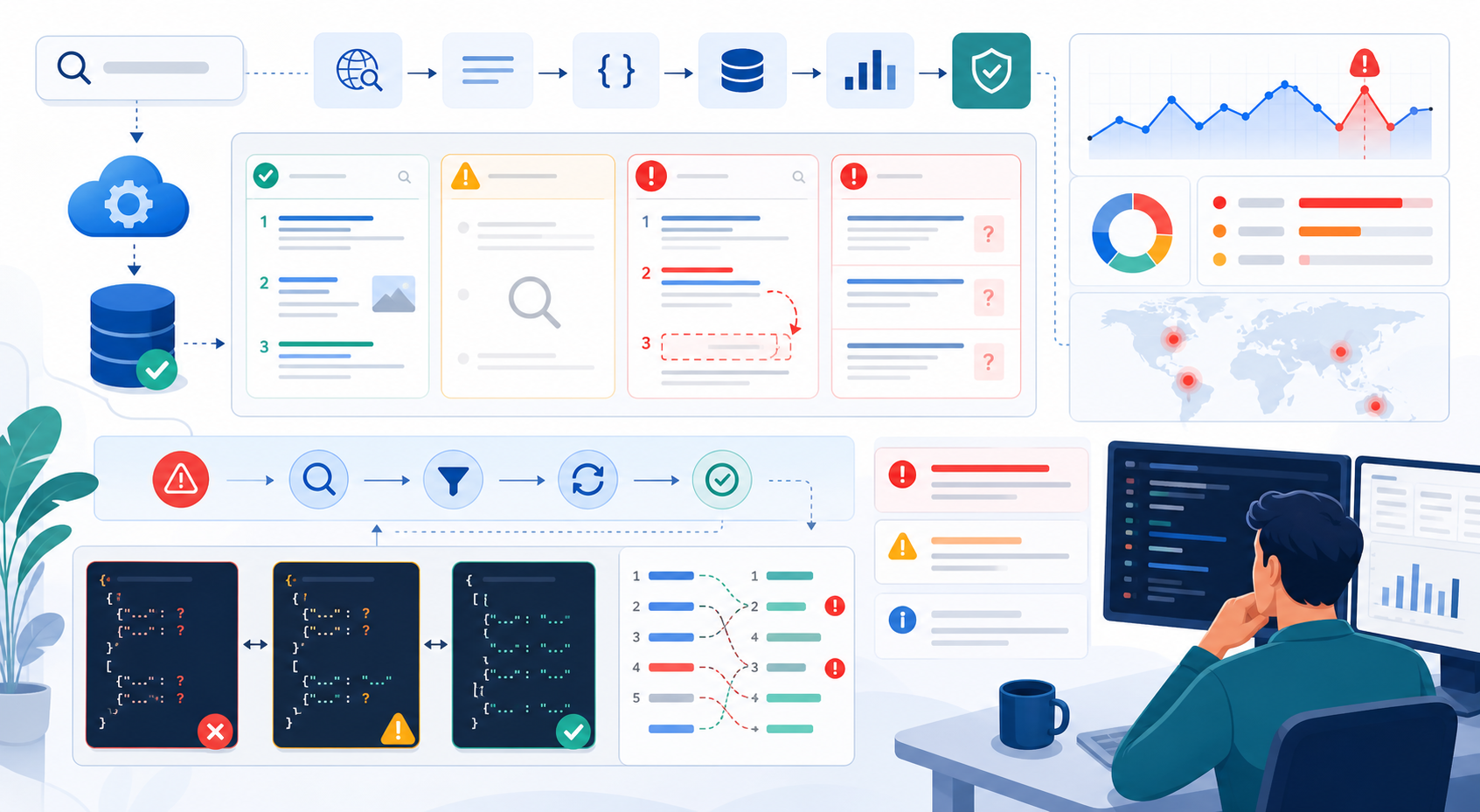
SERP API Troubleshooting: Fix Empty, Wrong, or Inconsistent Search Results
SERP API failures are not limited to obvious HTTP errors. A request can return successfully and still produce empty, incomplete, geographically wrong, duplicated, or misinterpreted search data. Production troubleshooting therefore has to separate transport problems from provider processing, SERP differences, and downstream parsing errors.
View Details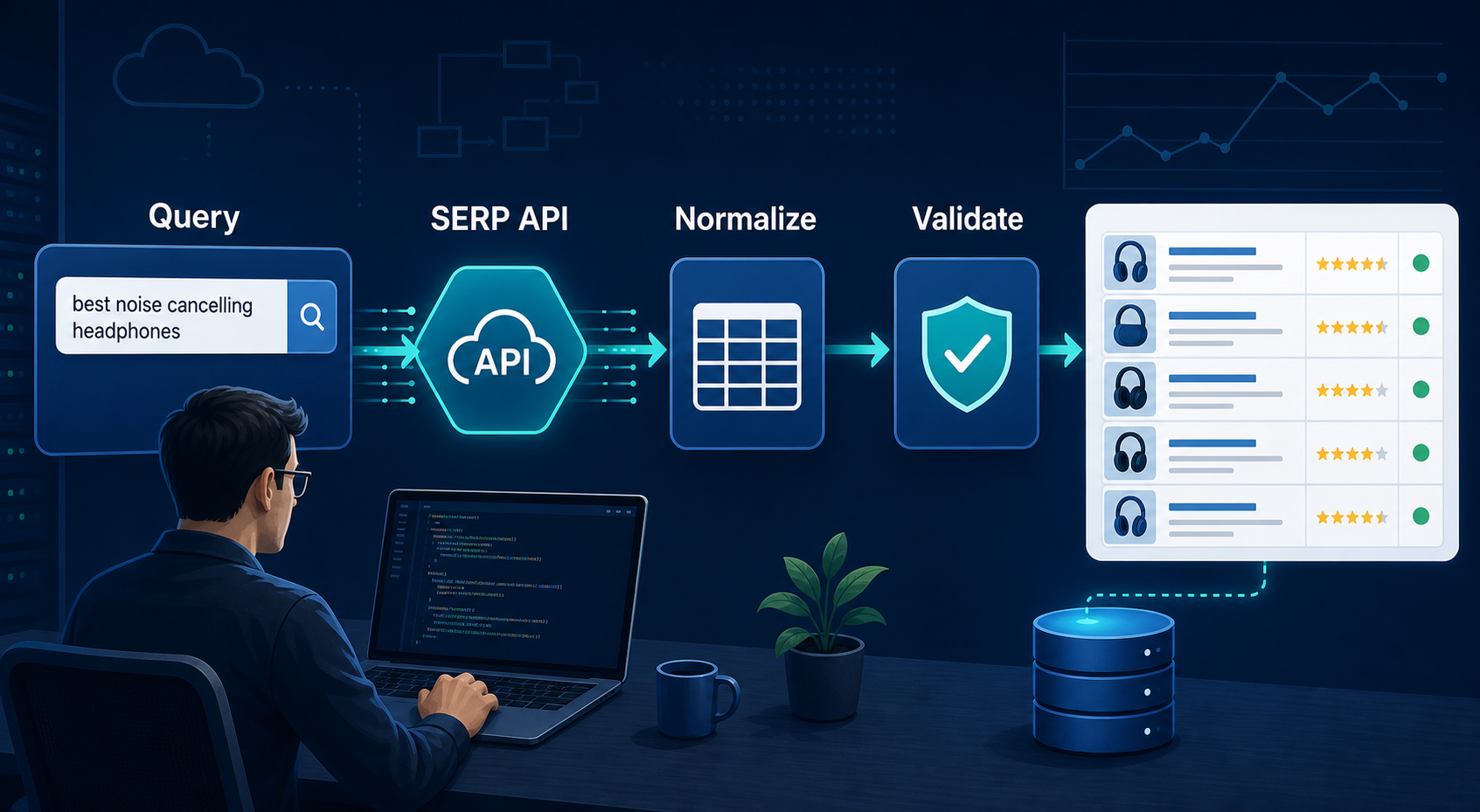
SERP API Python: How to Build a Reliable Search Data Pipeline
This guide shows a provider-neutral workflow for building that pipeline. It does not rank SERP API vendors. Instead, it focuses on the implementation choices that make a Python integration easier to operate, test, and migrate.
View Details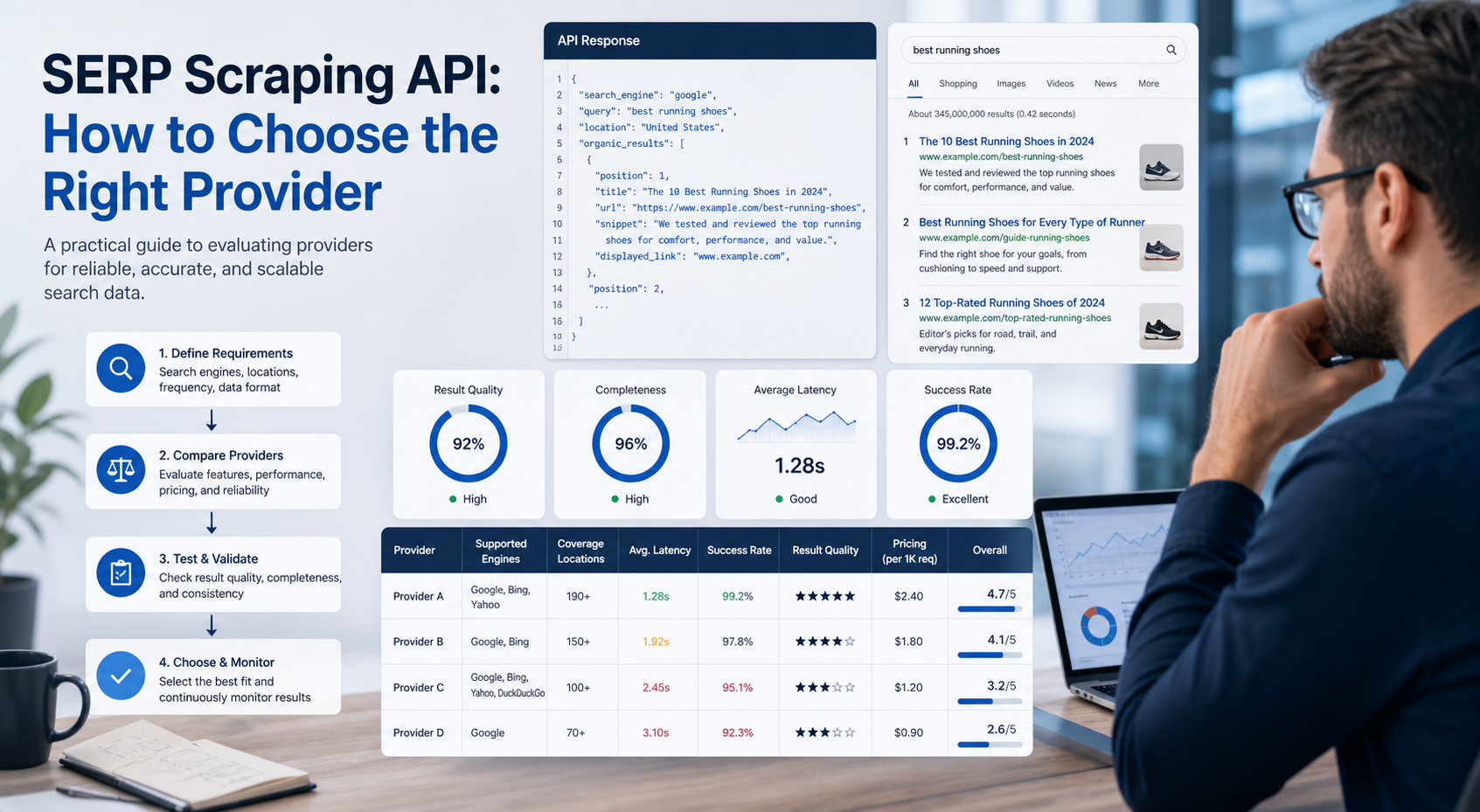
SERP Scraping API: How to Choose the Right Provider
Recommended Meta Description: Compare SERP scraping APIs by data coverage, localization, reliability, workflow fit, and cost structure, then choose and validate the right provider.
View Details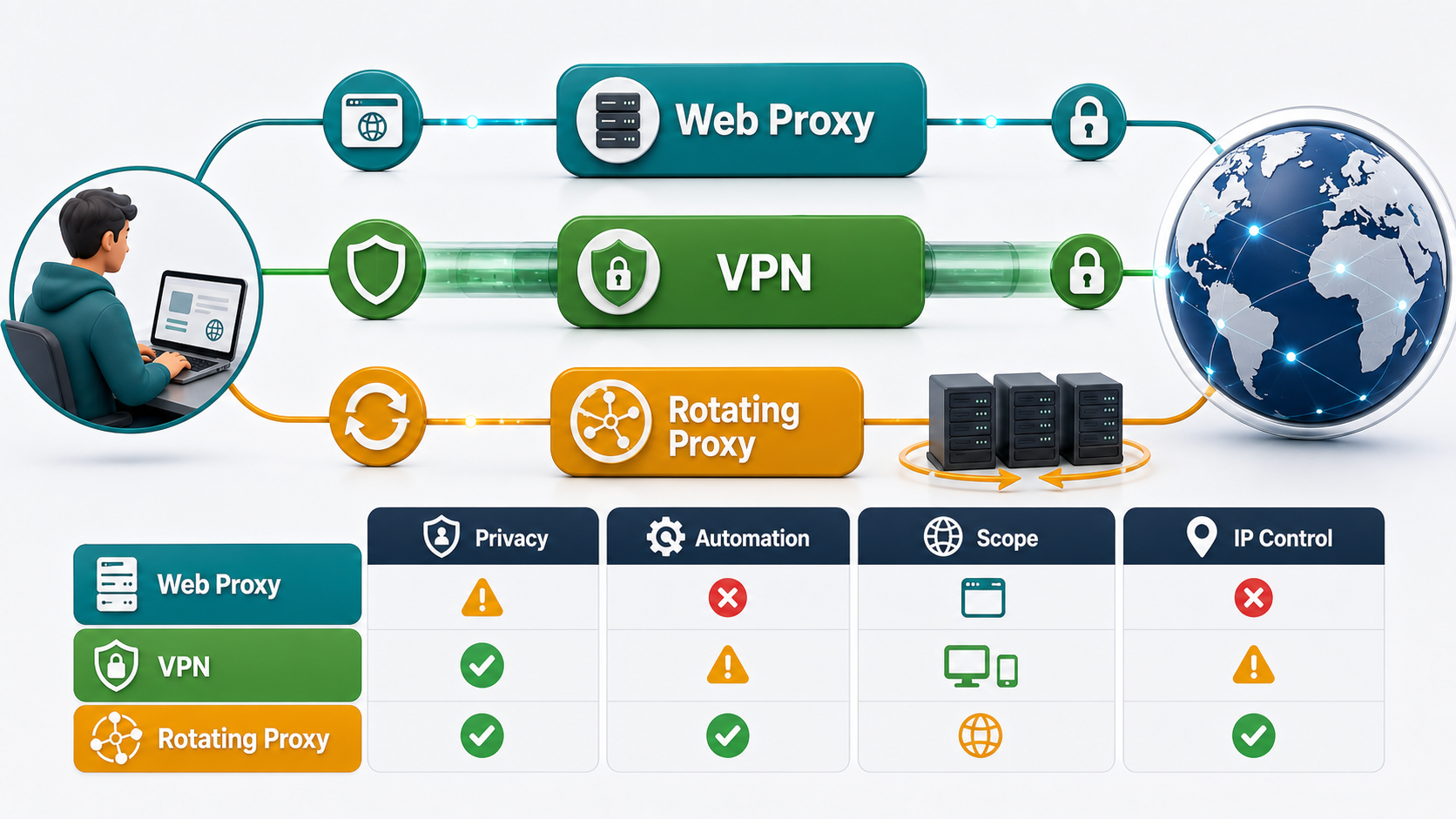
Free Web Proxy vs VPN vs Rotating Proxy: Which Should You Use?
Compare free web proxies, VPNs, rotating proxies, static proxies, and datacenter proxies by scope, encryption, IP control, automation, streaming, and account workflows.
View Details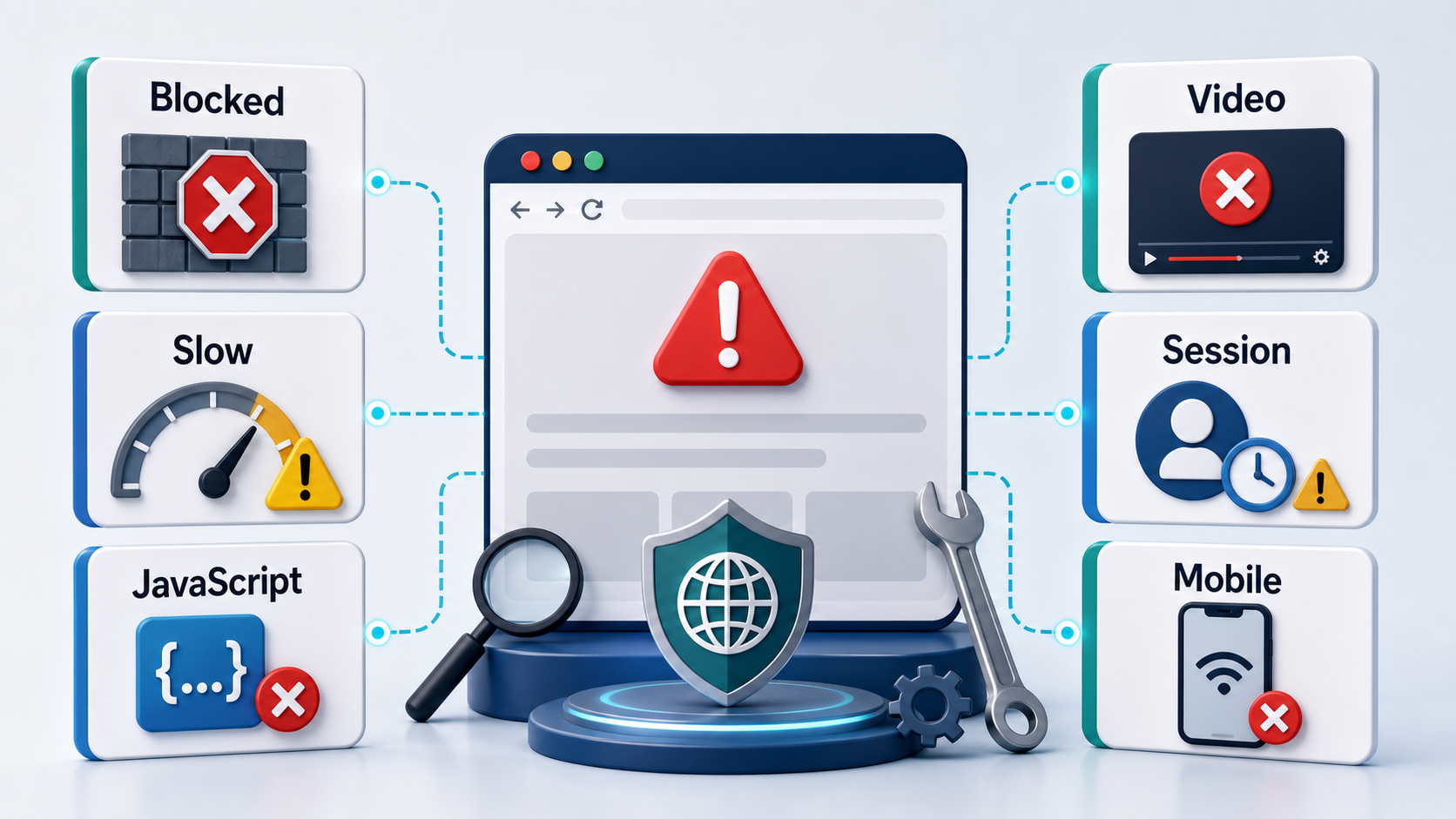
BlockAway Not Working? Fix Common Proxy, Video, and Access Problems
Troubleshoot BlockAway when pages are blocked, YouTube fails, JavaScript breaks, speed drops, sessions expire, or mobile access behaves differently.
View Details