
Claude Code Security Tool Disrupts Cybersecurity Industry
Why did cybersecurity stocks crash after Anthropic's recent product announcement?
The answer lies in a fundamental technological shift that is sending shockwaves through the $200 billion cybersecurity industry. When Anthropic unveiled Claude Code Security, an AI-powered vulnerability scanner capable of analyzing entire enterprise codebases in minutes using frontier models like Claude Opus 4.6, investors immediately recognized the existential threat to traditional software security vendors.
Within hours of the announcement, shares of industry giants like CrowdStrike, Zscaler, and Palo Alto Networks tumbled, erasing billions in market capitalization in a "flash crash." This was not just another minor feature launch; it represented a critical inflection point. Artificial intelligence is no longer just generating code, it is beginning to autonomously audit and secure it, automating tasks that have historically required teams of highly compensated security engineers.
For cybersecurity professionals and investors alike, understanding this disruption is no longer optional. Claude Code Security exemplifies how AI-native solutions can fundamentally undercut the business models, pricing structures, and competitive moats that have defined the cybersecurity landscape for decades. This analysis breaks down exactly what this tool does, why the market reacted so violently, and what the future holds for both legacy vendors and the professionals who rely on them.
Explore LycheeIP Proxy Infrastructure
How Claude Code Security Scans Entire Codebases for Vulnerabilities
The Technology Behind the Disruption
Claude Code Security represents a new category of AI-powered security analysis that goes far beyond the capabilities of traditional Static Application Security Testing (SAST) and Dynamic Application Security Testing (DAST) tools. Built on Anthropic's advanced foundation models, the tool can ingest, parse, and analyze entire application codebases, potentially millions of lines of code, in a single, continuous pass.
Unlike conventional vulnerability scanners that rely heavily on rigid pattern matching and predefined rule sets, Claude Code Security employs deep contextual reasoning. It understands the semantic intent of the code, traces complex data flows across distributed architectures, and identifies vulnerabilities that only emerge from the interaction of multiple disparate components.
Because of this semantic understanding, it can detect:
- Zero-day vulnerability patterns: Flaws that haven't yet been cataloged in Common Vulnerabilities and Exposures (CVE) databases. In early testing, Anthropic reported finding over 500 previously undiscovered vulnerabilities in widely used, production-ready open-source codebases.
- Complex logic flaws: Errors that traditional SAST tools miss entirely because the code perfectly obeys language syntax rules but fails at a business-logic level.
- Context-dependent security issues: Situations where a function is safe in one specific file but becomes highly exploitable when called by another component.
- Supply chain risks: Deep analysis of nested dependencies and third-party libraries for intentionally malicious or vulnerable code.
Speed and Scale Advantages
The performance differential is staggering. Where traditional security tools might take days or weeks to scan a large enterprise repository, requiring significant compute resources and generating thousands of false-positive alerts that demand manual triage, Claude Code Security completes comprehensive analysis in a fraction of the time.
More importantly, every finding goes through an adversarial verification pass where the AI challenges its own results to filter out false positives. Instead of dumping a spreadsheet of 5,000 potential vulnerabilities on a security team's desk, Claude explains which issues pose actual exploitable risks, provides the attack vectors, and suggests targeted remediation patches for human review.
The Automation Threat
This capability directly threatens multiple product categories that generate billions in annual recurring revenue:
- Application Security Testing platforms (e.g., Veracode, Checkmarx, Snyk).
- Code Review and manual security auditing services.
- Vulnerability Management platforms that help teams prioritize their patching queues.
The economic implications are stark: if AI can perform in minutes what previously required weeks of expert human time, the traditional pricing model for application security faces severe deflationary pressure.
Stock Market Reaction from CrowdStrike, Zscaler, and Palo Alto Networks
The Immediate Market Response
In the trading sessions immediately following Anthropic's announcement, the cybersecurity sector experienced violent volatility. Algorithms and panicked investors initiated a massive sector-wide selloff:
- CrowdStrike (CRWD) saw shares decline by roughly 8% in heavy volume trading. While CrowdStrike's core business focuses heavily on endpoint detection and response (EDR) rather than codebase scanning, investors recognized that AI-powered security agents could eventually expand into broader operational threat detection and incident response.
- Zscaler (ZS) dropped over 5%, reflecting concerns about its cloud security platform. Zscaler's Zero Trust architecture relies heavily on policy engines and threat detection rules that could theoretically be challenged by AI models that understand network context better than static rulesets.
- Palo Alto Networks (PANW) fell sharply, despite its own recent pivot toward platformization and AI integration. As one of the largest pure-play cybersecurity vendors, Palo Alto represents the industry establishment; any fundamental disruption hits its valuation hardest.
- The Global X Cybersecurity ETF (BUG) and similar sector indices fell to multi-year lows, indicating systemic, basket-selling concern across the entire industry.
Why Investors Are Concerned
1. Margin Compression
Cybersecurity companies command premium market valuations precisely because they sell high-margin, sticky software subscriptions. If AI tools can automate elite security analysis at a dramatically lower computational and human cost, enterprise buyers will inevitably demand price reductions. This compresses margins and erodes the profitability metrics that justify current stock prices.
2. Commoditization Risk
Traditional cybersecurity vendors built their competitive moats around proprietary threat intelligence databases, specialized engineering talent, and complex platform integrations. AI models trained on vast amounts of publicly available security data could democratize access to elite-level analysis, turning highly differentiated products into commoditized utilities.
3. The Platform Advantage
Companies like Anthropic, OpenAI, and Google sit at the foundational AI platform layer. They have the unique ability to integrate security capabilities directly into developer environments (like IDEs), cloud hosting platforms, and core enterprise workflows. This vertical integration allows AI companies to bundle security features at minimal marginal cost, severely undercutting standalone security vendors.
Explore LycheeIP Proxy Infrastructure
What This Means for the Future of Traditional Security Tools
The Integration vs. Replacement Debate
The cybersecurity industry now faces its most critical question in a decade: Will AI-powered security tools like Claude Code Security replace traditional vendors, or will they simply be integrated into the existing security stack?
The Replacement Scenario
In this future, organizations fully adopt AI-native platforms that handle vulnerability detection, automated patching, and incident response end-to-end. Traditional security vendors become legacy systems—maintained solely for regulatory compliance but no longer serving as the core of enterprise security strategy. Foundational AI providers capture the lion's share of security budgets.
The Integration Scenario
Alternatively, traditional cybersecurity vendors successfully absorb AI capabilities into their existing platforms, leveraging their entrenched customer relationships, massive proprietary data lakes, and compliance certifications. In this future, companies like Palo Alto Networks and CrowdStrike become AI-enhanced rather than AI-displaced. Several vendors are already moving aggressively here—CrowdStrike with its Charlotte AI platform, and others through strategic acquisitions of AI security startups.
What Cybersecurity Professionals Should Do
- Upskill on AI Security Workflows: Security professionals must develop fluency in prompting, validating, and integrating AI analysis into CI/CD pipelines.
- Focus on Strategic Roles: As AI automates tactical vulnerability scanning, human operators should pivot toward roles requiring strategic judgment: risk assessment, security architecture design, and incident command.
- Diversify Tool Expertise: Relying exclusively on operating legacy vendor dashboards creates career risk. Professionals should actively experiment with AI-native security tools to understand their precise capabilities and limitations.
What Investors Should Watch
- Customer Retention Metrics: Monitor whether traditional vendors maintain their high renewal rates or begin experiencing "churn" to cheaper, AI-native alternatives.
- Pricing Trends: Watch for revenue margin compression during upcoming earnings calls as vendors compete against AI tools with fundamentally lower cost structures.
- M&A Activity: Legacy vendors will likely acquire AI security startups to stay relevant. This activity signals either successful market adaptation or desperate scrambling.
LycheeIP (Developer-First Proxy Infrastructure)
As AI-driven security tools reshape the industry, organizations and security researchers are increasingly training their own bespoke vulnerability detection models and gathering global threat intelligence. LycheeIP is a developer-first proxy and data infrastructure platform designed to help technical teams reliably route their network traffic at scale. When security engineering teams conduct authorized, large-scale external attack surface monitoring or scrape public threat intelligence feeds to train AI models, they require localized, unflagged network requests to avoid IP bans. By integrating dynamic IP networks, security operators can smoothly rotate their connections during intensive data collection workflows. Alternatively, teams requiring high-speed, persistent connections for continuous API ingestion often leverage datacenter IP solutions to maintain maximum bandwidth. Ultimately, integrating a reliable proxy infrastructure ensures your automated security tools have the continuous, unobstructed data flow they need to stay effective and accurate.
Conclusion
The stock market's swift, brutal reaction to Claude Code Security was not an overreaction, it was the rational recognition of a fundamental industry phase shift. When an AI model can perform in twenty minutes what previously required weeks of expert code analysis, the underlying economics of cybersecurity change permanently.
For cybersecurity professionals, this disruption demands rapid adaptation, but not panic. The human element of security expertise remains incredibly valuable; it is simply being augmented and redirected toward higher-level strategy and verification. For investors, the challenge over the next 24 months will be distinguishing between the vendors that successfully integrate AI to reinforce their moats, and those that find their core products fully commoditized.
The cybersecurity industry has weathered previous technological shifts, from network perimeter defense to cloud security. This AI-driven transformation requires the same adaptability, but its speed and scope are unprecedented. The companies and professionals that recognize this reality early will emerge stronger, while those that dismiss AI-powered codebase scanning as mere hype will find themselves obsolete faster than they expect.
Explore LycheeIP Proxy Infrastructure
Frequently Asked Questions
Q: Is Claude Code Security actually better than traditional vulnerability scanners?
A: Early testing indicates it excels at detecting complex business logic flaws and context-dependent vulnerabilities that traditional, pattern-matching SAST tools routinely miss. Furthermore, its self-verification step drastically reduces false positives. However, most security experts recommend using AI tools alongside, not strictly instead of, traditional scanners during this transition period to ensure comprehensive coverage.
Q: Should I sell my cybersecurity stocks after this announcement?
A: The market reaction reflects very real margin compression risks, but wholesale panic selling may be premature. Focus on differentiation: vendors with deep operational integrations, strict regulatory expertise, and active runtime protection (like CrowdStrike) are much harder to replace than companies offering purely commoditized codebase scanning tools.
Q: Will AI-powered security tools eliminate cybersecurity jobs?
A: AI will automate tactical, repetitive tasks like routine vulnerability scanning, basic code review, and alert triage. However, strategic roles will remain essential. The industry will see a shift toward AI augmentation—professionals who know how to validate AI findings and implement architectural security changes will be in higher demand than ever.
Q: How quickly will enterprises adopt AI security tools like Claude Code Security?
A: Adoption speed will be dictated by organizational risk tolerance. Tech-forward startups and agile development teams are already running pilots. Large enterprises will likely run 1-to-2-year parallel testing phases before full deployment, while highly regulated industries (finance, healthcare) will move slower due to strict audit and compliance requirements regarding automated code modification.
Q: Can traditional cybersecurity vendors compete with AI platform companies?
A: Traditional vendors possess distinct advantages that AI labs currently lack: deep customer trust, massive deployments of endpoint agents, compliance certifications, and human incident response teams. Their long-term success depends entirely on how aggressively they can integrate foundational AI models into their existing dashboards while matching the aggressive cost structures of new AI-native tools.

Recommended Articles
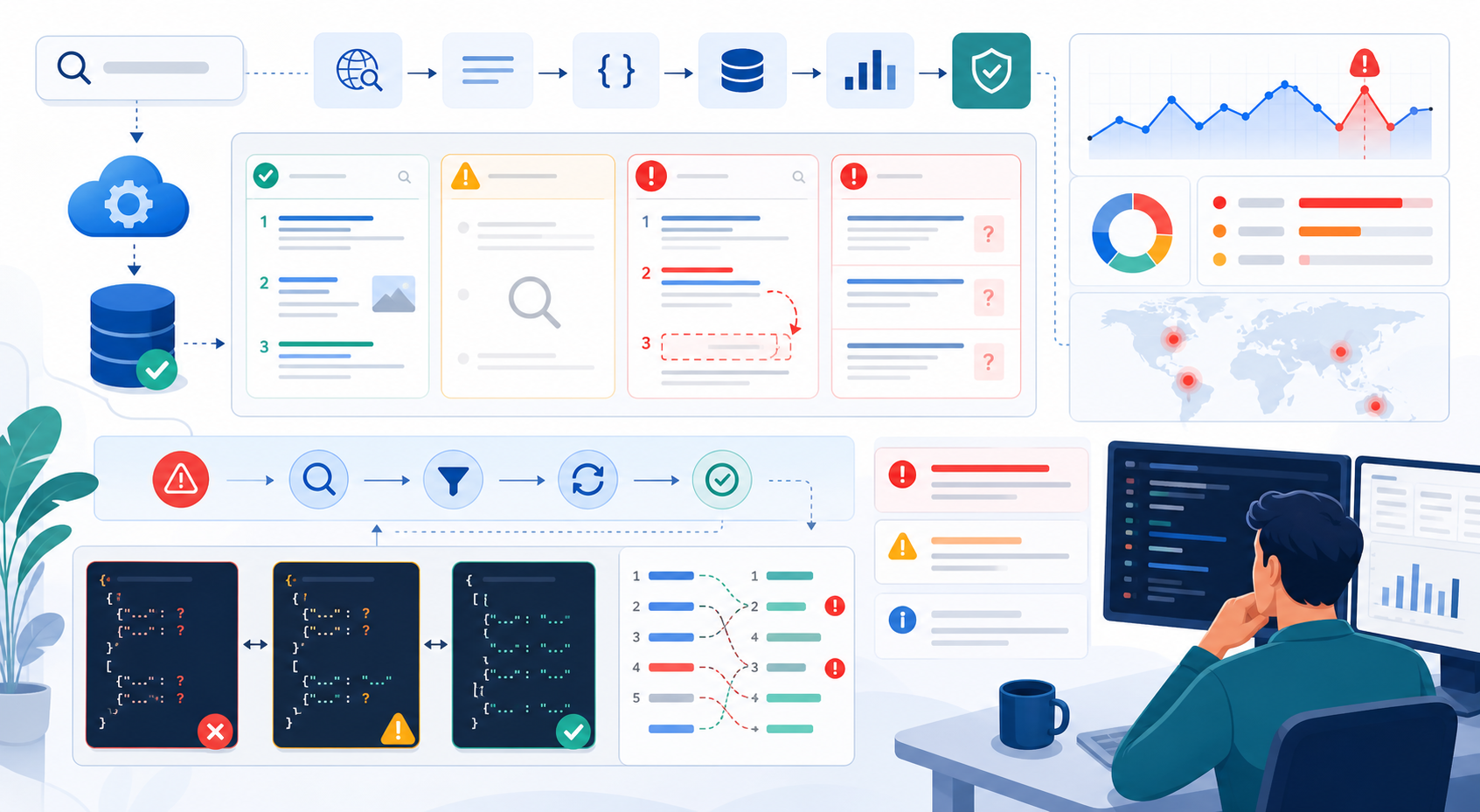
SERP API Troubleshooting: Fix Empty, Wrong, or Inconsistent Search Results
SERP API failures are not limited to obvious HTTP errors. A request can return successfully and still produce empty, incomplete, geographically wrong, duplicated, or misinterpreted search data. Production troubleshooting therefore has to separate transport problems from provider processing, SERP differences, and downstream parsing errors.
View Details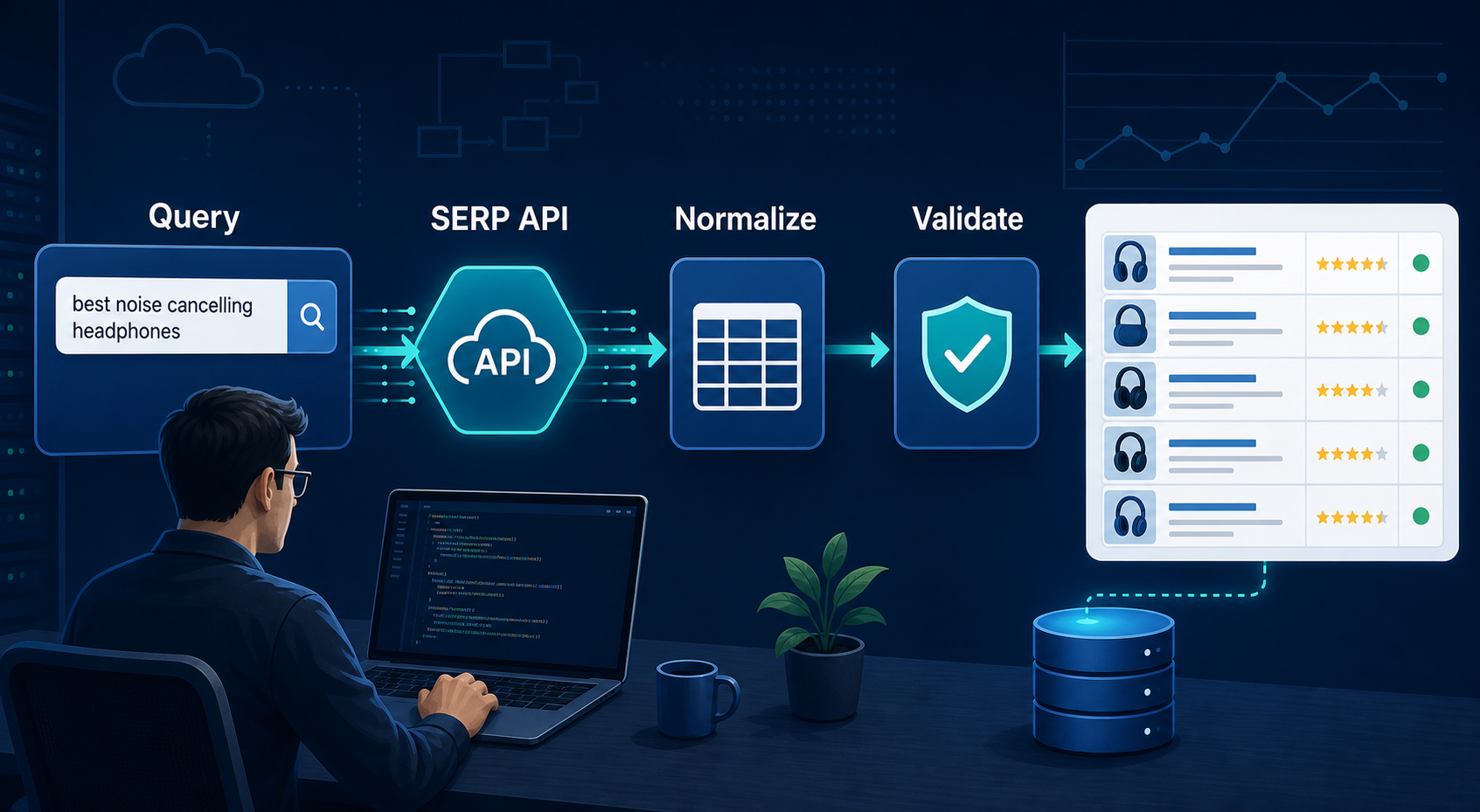
SERP API Python: How to Build a Reliable Search Data Pipeline
This guide shows a provider-neutral workflow for building that pipeline. It does not rank SERP API vendors. Instead, it focuses on the implementation choices that make a Python integration easier to operate, test, and migrate.
View Details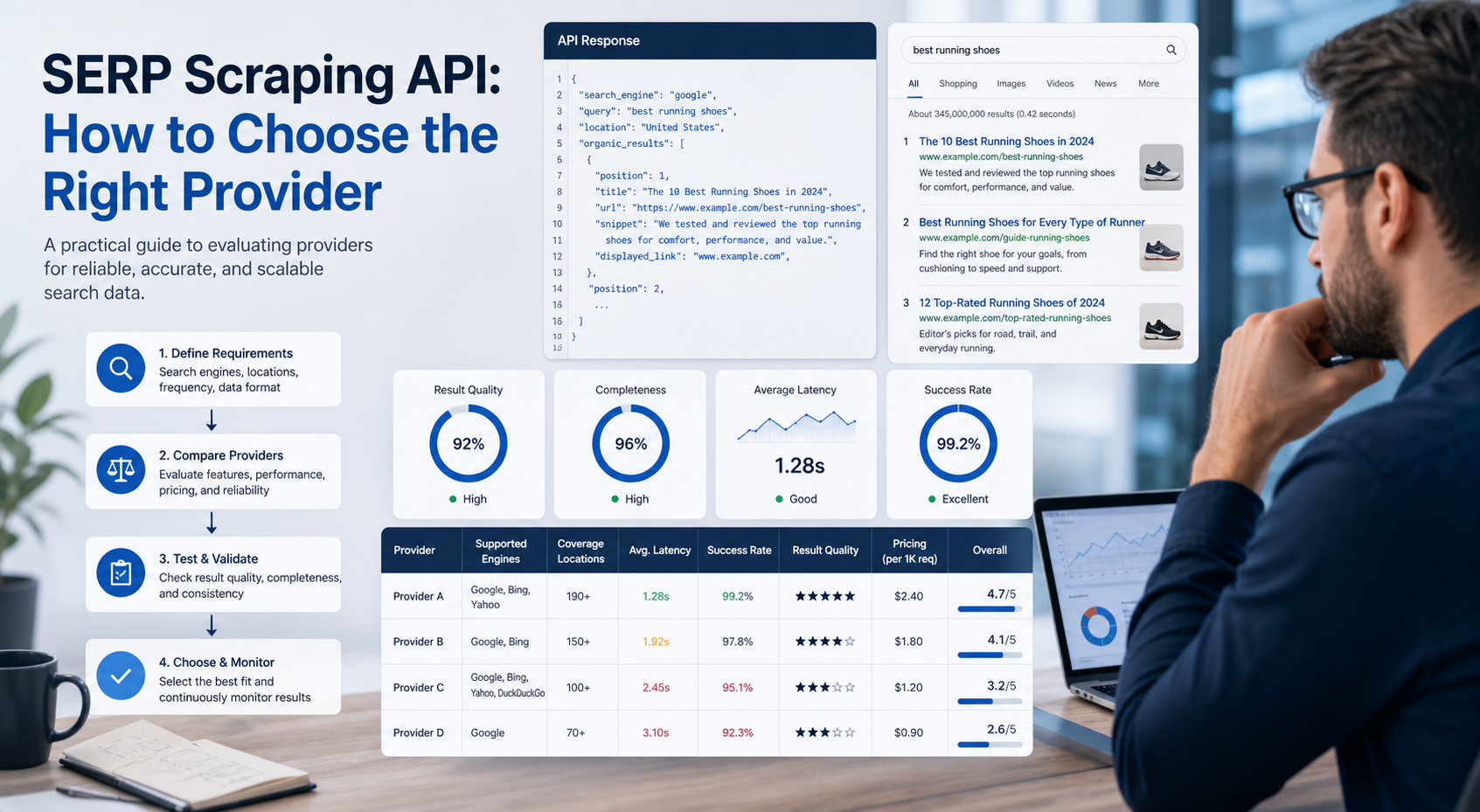
SERP Scraping API: How to Choose the Right Provider
Recommended Meta Description: Compare SERP scraping APIs by data coverage, localization, reliability, workflow fit, and cost structure, then choose and validate the right provider.
View Details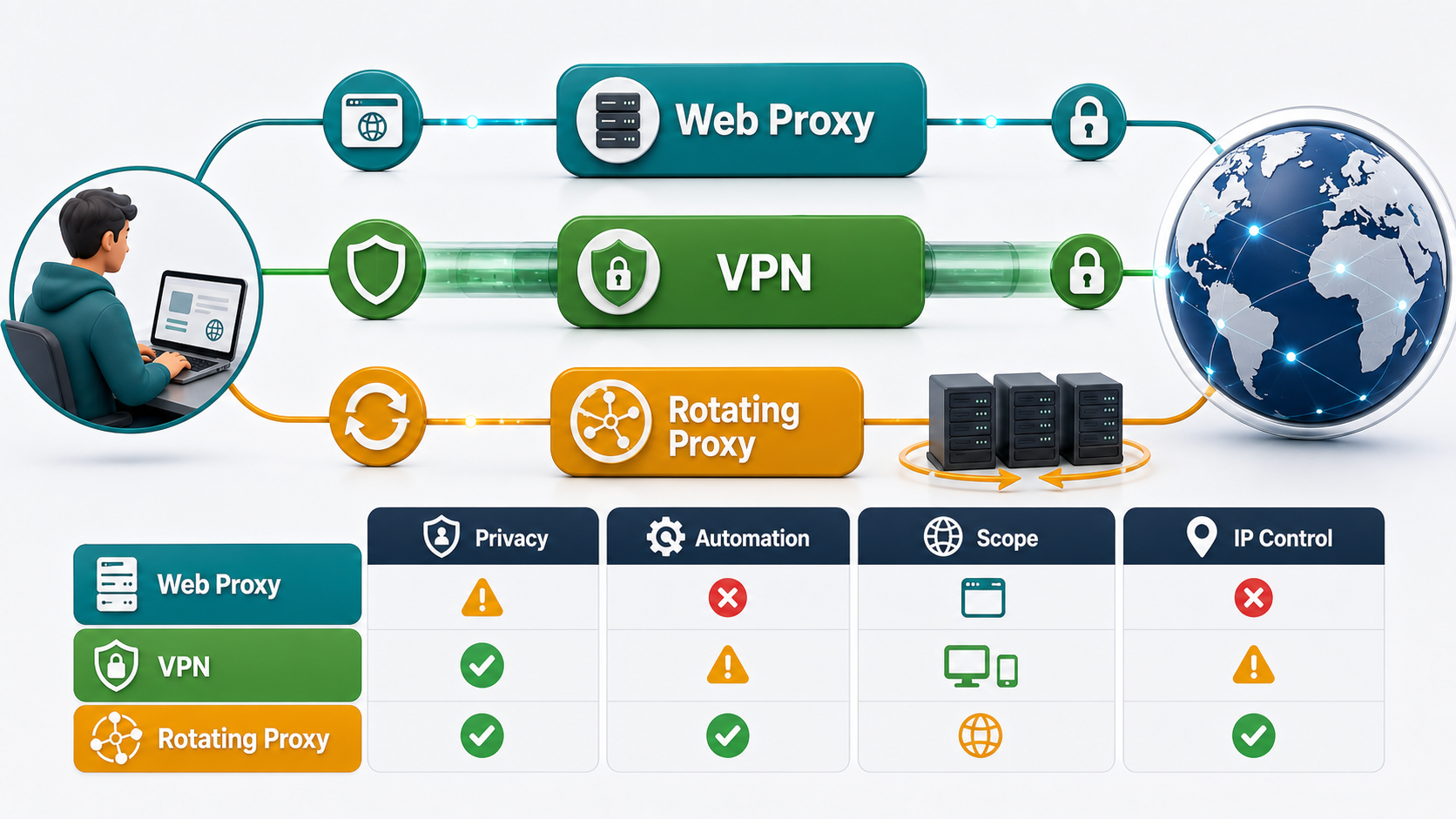
Free Web Proxy vs VPN vs Rotating Proxy: Which Should You Use?
Compare free web proxies, VPNs, rotating proxies, static proxies, and datacenter proxies by scope, encryption, IP control, automation, streaming, and account workflows.
View Details
BlockAway Not Working? Fix Common Proxy, Video, and Access Problems
Troubleshoot BlockAway when pages are blocked, YouTube fails, JavaScript breaks, speed drops, sessions expire, or mobile access behaves differently.
View Details